
Oceanside (760) 630-9200


Se Habla Espanol

Do you suffer from heel pain when you get up in the morning? If so, you should seek professional help and have a proper diagnosis performed. Heel pain can be caused by several different foot-related conditions.
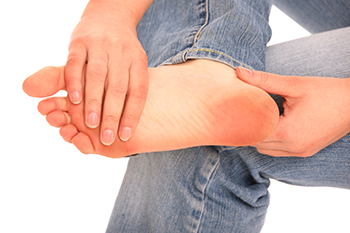
Mechanical foot pain is one of the most common reasons people visit a podiatrist. It happens when the structures in your feet, like bones, muscles, ligaments, or tendons, are strained or overworked. This type of pain often results from too much standing, walking, running, or wearing unsupportive shoes. Flat feet, high arches, and poor foot alignment can also lead to mechanical pain. You might feel aching, soreness, or sharp pain, usually in the heel, arch, or ball of the foot. The good news is that mechanical foot pain often improves with rest, wearing proper footwear, custom orthotics, stretching, and strengthening exercises. If foot pain is making it hard to get through your day, it is suggested that you visit a podiatrist who can diagnose the problem and help you find relief.
Foot Pain
Foot pain can be extremely painful and debilitating. If you have a foot pain, consult with Dr. Jeff Brooks from Oceanside Foot & Ankle Center. Our doctor will assess your condition and provide you with quality foot and ankle treatment.
Causes
Foot pain is a very broad condition that could be caused by one or more ailments. The most common include:
Diagnosis
To figure out the cause of foot pain, podiatrists utilize several different methods. This can range from simple visual inspections and sensation tests to X-rays and MRI scans. Prior medical history, family medical history, and any recent physical traumatic events will all be taken into consideration for a proper diagnosis.
Treatment
Treatment depends upon the cause of the foot pain. Whether it is resting, staying off the foot, or having surgery; podiatrists have a number of treatment options available for foot pain.
If you have any questions, please feel free to contact our office located in Oceanside, CA . We offer the newest diagnostic and treatment technologies for all your foot care needs.

Plantar warts are small growths that develop on parts of the feet that bear weight. They're typically found on the bottom of the foot. Don't live with plantar warts, and call us today!
Although gout is often associated with men, it also affects women, particularly after menopause. Estrogen helps regulate uric acid levels, so its decline increases the risk of developing gout. The condition occurs when uric acid builds up in the bloodstream, forming painful crystals in the joints, including in the big toe. Risk factors include a diet high in purines, obesity, kidney disease, and certain medications that affect uric acid levels. Women with gout often experience symptoms in the toes, ankles, and knees, leading to swelling, redness, and severe pain. If left untreated, gout can cause joint damage and chronic pain, affecting mobility and quality of life. If you have pain in your big toe, it is suggested that you are under the care of a podiatrist who can provide an accurate diagnosis and treatment.
Gout is a painful condition that can be treated. If you are seeking treatment, contact Dr. Jeff Brooks from Oceanside Foot & Ankle Center. Our doctor will treat your foot and ankle needs.
What Is Gout?
Gout is a form of arthritis that is characterized by sudden, severe attacks of pain, redness, and tenderness in the joints. The condition usually affects the joint at the base of the big toe. A gout attack can occur at any random time, such as the middle of the night while you are asleep.
Symptoms
Risk Factors
Prior to visiting your podiatrist to receive treatment for gout, there are a few things you should do beforehand. If you have gout you should write down your symptoms--including when they started and how often you experience them, important medical information you may have, and any questions you may have. Writing down these three things will help your podiatrist in assessing your specific situation so that he or she may provide the best route of treatment for you.
If you have any questions, please feel free to contact our office located in Oceanside, CA . We offer the newest diagnostic and treatment technologies for all your foot care needs.

If you are suffering from tenderness, pain, or stiffness in the joints of your feet or ankles, call us to schedule an appointment.
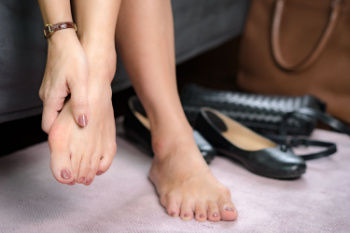
Bunions tend to worsen over time and are more prevalent in women due to a combination of genetic, structural, and footwear-related factors. Aging weakens connective tissues, leading to joint instability and increased toe misalignment. Women are particularly at risk because of shoes with narrow toe boxes and high heels, which place excessive pressure on the forefoot and push the big toe out of alignment. Hormonal changes may also contribute by affecting ligament flexibility. As bunions progress, they can cause pain, swelling, and difficulty walking. Choosing supportive, wide-toe shoes and avoiding prolonged use of restrictive footwear can help slow progression. Strengthening foot muscles with targeted exercises may also provide relief. For persistent discomfort or severe deformity, it is suggested that you see a podiatrist who can offer personalized solutions, including orthotics, padding, or surgical options to improve comfort and function as the condition advances.
If you are suffering from bunion pain, contact Dr. Jeff Brooks of Oceanside Foot & Ankle Center. Our doctor can provide the care you need to keep you pain-free and on your feet.
What Is a Bunion?
Bunions are painful bony bumps that usually develop on the inside of the foot at the joint of the big toe. As the deformity increases over time, it may become painful to walk and wear shoes. Women are more likely to exacerbate existing bunions since they often wear tight, narrow shoes that shift their toes together. Bunion pain can be relieved by wearing wider shoes with enough room for the toes.
Causes
Symptoms
In order to diagnose your bunion, your podiatrist may ask about your medical history, symptoms, and general health. Your doctor might also order an x-ray to take a closer look at your feet. Nonsurgical treatment options include orthotics, padding, icing, changes in footwear, and medication. If nonsurgical treatments don’t alleviate your bunion pain, surgery may be necessary.
If you have any questions, please feel free to contact our office located in Oceanside, CA . We offer the newest diagnostic and treatment technologies for all your foot care needs.

Gout is a painful, inflammatory form of arthritis. Those affected will typically feel an intense stiffness in the joints of their feet, particularly in the big toe. Schedule a visit to learn about how gout can be managed and treated.
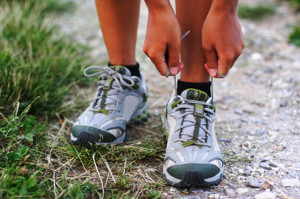
Trail running shoes are designed for off-road running, offering essential features to enhance performance and comfort. One key feature is waterproofing, which helps keep feet dry in wet conditions, preventing discomfort and blisters during rainy runs or when crossing streams. For runners with wider feet, wide-fit trail running shoes provide extra space, ensuring a more comfortable fit and reducing pressure on the toes. Mud shoes are another important type of trail running shoe, equipped with specialized traction to handle slippery and muddy trails. These shoes typically have deeper treads that provide better grip and stability, preventing slips. Whether running through wet terrain, navigating rocky paths, or tackling muddy routes, the right trail running shoes ensure durability, support, and comfort for every adventure. If you have sustained a foot injury while trail running, it is suggested that you consult a podiatrist who can offer effective relief tips, and guide you on the correct shoes to wear.
You should always make sure your running shoes fit properly in order to avoid injury. For more information, contact Dr. Jeff Brooks from Oceanside Foot & Ankle Center. Our doctor can provide the care you need to keep you pain-free and on your feet.
Choosing the Right Running Shoe for Your Foot Type
Improper shoe sizing can cause a myriad of problems for your feet. Shoes that don’t fit you properly can lead to muscular imbalances in your body, which can result in foot, knee, and hip injuries.
Tips for Finding the Right Running Shoe
If you have any questions please feel free to contact our our office located in Oceanside, CA . We offer the newest diagnostic and treatment technologies for all your foot and ankle needs.




 Shin Foot And Ankle Specialists - Default