
Foot & Ankle Specialist
Oceanside (760) 630-9200


Se Habla Espanol

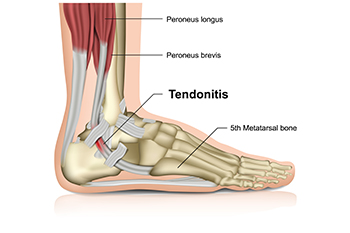
The Achilles tendon, located at the back of the ankle, plays a crucial role in walking, running, and jumping. To keep this vital tendon flexible and healthy, incorporating regular stretches into your routine is essential. One effective stretch is the calf stretch, which is done by standing while facing a wall, stepping one foot back, and leaning forward. The back leg remains straight with the heel on the ground. Another beneficial stretch is the seated calf stretch. This is accomplished by sitting with the legs extended, looping a towel around the ball of your foot, and gently pulling your toes towards you. Additionally, the downward dog yoga pose is fantastic for stretching the Achilles tendon. Remember to perform these stretches gradually and hold for approximately 20 to 30 seconds to enhance flexibility in addition to reducing the risk of developing an Achilles tendon injury. If you would like to learn more about stretches for the Achilles tendon, it is suggested that you make an appointment with a podiatrist for additional conversation.
Achilles tendon injuries need immediate attention to avoid future complications. If you have any concerns, contact Dr. Jeff Brooks of Oceanside Foot & Ankle Center. Our doctor can provide the care you need to keep you pain-free and on your feet.
What Is the Achilles Tendon?
The Achilles tendon is a tendon that connects the lower leg muscles and calf to the heel of the foot. It is the strongest tendon in the human body and is essential for making movement possible. Because this tendon is such an integral part of the body, any injuries to it can create immense difficulties and should immediately be presented to a doctor.
What Are the Symptoms of an Achilles Tendon Injury?
There are various types of injuries that can affect the Achilles tendon. The two most common injuries are Achilles tendinitis and ruptures of the tendon.
Achilles Tendinitis Symptoms
Rupture Symptoms
Treatment and Prevention
Achilles tendon injuries are diagnosed by a thorough physical evaluation, which can include an MRI. Treatment involves rest, physical therapy, and in some cases, surgery. However, various preventative measures can be taken to avoid these injuries, such as:
If you have any questions please feel free to contact our office located in Oceanside, CA . We offer the newest diagnostic tools and technology to treat your foot and ankle needs.



 Shin Foot And Ankle Specialists - Default