
Foot & Ankle Specialist
Oceanside (760) 630-9200


Se Habla Espanol


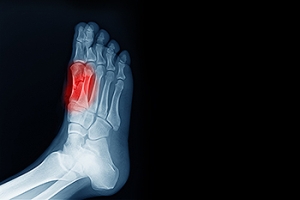

Sesamoiditis affects the small sesamoid bones located beneath the big toe joint near the ball of the foot. It occurs when these bones become inflamed, often due to repetitive pressure or overuse, making it a common concern for runners and athletes who place repeated stress on the forefoot. Symptoms include pain under the big toe, swelling, tenderness when walking or running, and difficulty bearing weight on the affected foot. Causes can include high-impact activities, wearing improper footwear, flat feet, or increased training intensity. A podiatrist can evaluate the foot, provide custom orthotics, recommend activity modifications, and implement therapies such as padding, taping, or targeted exercises to reduce stress on the sesamoid bones. If you have pain in this part of your foot, it is suggested you consult a podiatrist who can accurately diagnose and treat what may be going on.
Sesamoiditis is an unpleasant foot condition characterized by pain in the balls of the feet. If you think you’re struggling with sesamoiditis, contact Dr. Jeff Brooks of Oceanside Foot & Ankle Center. Our doctor will treat your condition thoroughly and effectively.
Sesamoiditis
Sesamoiditis is a condition of the foot that affects the ball of the foot. It is more common in younger people than it is in older people. It can also occur with people who have begun a new exercise program, since their bodies are adjusting to the new physical regimen. Pain may also be caused by the inflammation of tendons surrounding the bones. It is important to seek treatment in its early stages because if you ignore the pain, this condition can lead to more serious problems such as severe irritation and bone fractures.
Causes of Sesamoiditis
Treatment for sesamoiditis is non-invasive and simple. Doctors may recommend a strict rest period where the patient forgoes most physical activity. This will help give the patient time to heal their feet through limited activity. For serious cases, it is best to speak with your doctor to determine a treatment option that will help your specific needs.
If you have any questions, please feel free to contact our office located in Oceanside, CA . We offer the newest diagnostic and treatment technologies for all your foot care needs.
Sesamoiditis is a condition that affects the joint that is just behind the big toe in the area known as the ball of the foot. It is most common in younger people and people who have just begun an exercise program. Since the sesamoid bones are like a pulley controlling the big toe, they can rub against each other and cause a gradual onset of pain. Pain may also be caused by the inflammation of tendons surrounding the bones. If ignored, sesamoiditis can lead to other, more serious problems such as severe irritation and fractures of the bones.
The cause of sesamoiditis is sudden increase in activity. The ball of your foot acts as a springboard to help you lift off when you are jogging or running. Sudden increase in the use of these bones or the tendon that controls them can cause irritation. The tendon then begins to develop inflammation and the joint begins to swell. People with smaller, bonier feet or those with a high arch are typically more susceptible to this condition.
Sesamoiditis is fairly simple to diagnose since the symptoms have a gradual onset rather than a sudden impact. The symptoms begin with slight irritation around the joint shortly after the increase in activity. The discomfort eventually turns to pain with light swelling and possibly redness. Although redness or bruising are rare, this may be a symptom. After each session of exercising, the aggravated joint becomes more irritated and increases into a very intense throbbing.
Treatment for sesamoiditis can vary depending on the severity of the situation. However, treatment is almost always approached in a noninvasive way. For a case that is just beginning the doctor may recommend a very strict rest period that will limit the activity allowed on the joint. If you must be active, a recommendation for as modified shoe or insole, along with bandaging and immobilizing the big toe will be made to ensure that pressure is not placed on the joint. For severe cases, it is typically recommended that the joint and the big toe be completely immobilized to allow adequate time to heal. Ice and an over the counter anti-inflammatory may can help with the pain and discomfort while you are at rest.
When you return to your regular exercise activities, it is recommended that you use an insole that will allow even distribution of impact to your entire foot, rather than just the balls of your foot. This will prevent further aggravation of the injury.


Custom orthotics, or shoe inserts, should be periodically replaced. Orthotics must fit properly to give you the best results. Protect your feet and ankles!
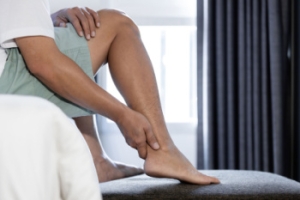

Achilles tendinitis causes pain and stiffness along the back of the ankle, where the tendon connects the calf muscles to the heel bone. Symptoms often build gradually during walking or activity. Among them are swelling, warmth, or a thickened area along the tendon. Bending the ankle upward can intensify the discomfort. Some patients also feel a tender nodule or hear a faint crackle when the tendon moves. Achilles tendinitis often develops when the tendon is repeatedly stressed by running, jumping, or rapid increases in activity. It can also be linked to tension from tight calf muscles, certain forms of arthritis, or shoes that lack adequate support, such as worn-out sneakers or flip-flops. A podiatrist can assess the Achilles tendon, order imaging if needed, and guide an effective treatment plan that protects the foot and lowers the risk of a tendon rupture. If you have injured your Achilles tendon, it is suggested that you make an appointment with a podiatrist for a diagnosis and treatment.
Achilles tendon injuries need immediate attention to avoid future complications. If you have any concerns, contact Dr. Jeff Brooks of Oceanside Foot & Ankle Center. Our doctor can provide the care you need to keep you pain-free and on your feet.
What Is the Achilles Tendon?
The Achilles tendon is a tendon that connects the lower leg muscles and calf to the heel of the foot. It is the strongest tendon in the human body and is essential for making movement possible. Because this tendon is such an integral part of the body, any injuries to it can create immense difficulties and should immediately be presented to a doctor.
What Are the Symptoms of an Achilles Tendon Injury?
There are various types of injuries that can affect the Achilles tendon. The two most common injuries are Achilles tendinitis and ruptures of the tendon.
Achilles Tendinitis Symptoms
Rupture Symptoms
Treatment and Prevention
Achilles tendon injuries are diagnosed by a thorough physical evaluation, which can include an MRI. Treatment involves rest, physical therapy, and in some cases, surgery. However, various preventative measures can be taken to avoid these injuries, such as:
If you have any questions please feel free to contact our office located in Oceanside, CA . We offer the newest diagnostic tools and technology to treat your foot and ankle needs.
The Achilles tendon is the strongest tendon in the human body. Its purpose is to connect the lower leg muscles and calf to the heel of the foot. This tendon is responsible for facilitating all types of movement, like walking and running. This tendon provides an enormous amount of mobility for the body. Any injuries inflicted to this tissue should be immediately brought up with a physician to prevent further damage.
The most common injuries that can trouble the Achilles tendon are tendon ruptures and Achilles tendinitis. Achilles tendinitis is the milder of the two injuries. It can be recognized by the following symptoms: inflammation, dull-to-severe pain, increased blood flow to the tendon, thickening of the tendon, and slower movement time. Tendinitis can be treated via several methods and is often diagnosed by an MRI.
An Achilles tendon rupture is trickier to heal, and is by far the most painful injury. It is caused by the tendon ripping or completely snapping. The results are immediate and absolutely devastating, and will render the patient immobile. If a rupture or tear occurs, operative and non-operative methods are available. Once the treatment begins, depending on the severity of the injury, recovery time for these types of issues can take up to a year.
Simple preventative measures can be taken as a means to avoid both injuries. Prior to any movement, taking a few minutes to stretch out the tendon is a great way to stimulate the tissue. Calf raises, squats, leg curls, leg extensions, leg raises, lunges, and leg presses are all suggested ways to help strengthen the lower legs and promote Achilles tendon health.
Many problems arise among athletes and people who overexert themselves while exercising. Problems can also happen among those who do not warm up properly before beginning an activity. Proper, comfortable shoes that fit correctly can also decrease tendon injuries. Some professionals also suggest that when exercising, you should make sure that the floor you are on is cushioned or has a mat. This will relieve pressure on the heels. A healthy diet will also increase tendon health.
It is very important to seek out a podiatrist if you believe you have an injury in the Achilles region. Further damage could result in severe complications that would make being mobile difficult, if not impossible.


Suffering from this type of pain? You may have the foot condition known as Morton's neuroma. Morton's neuroma may develop as a result of ill-fitting footwear and existing foot deformities. We can help.


Flat feet occur when the arches collapse and the entire sole touches the ground, which can lead to pain, fatigue, and changes in walking mechanics. Some individuals benefit from surgery when conservative care is not enough. Surgical correction can improve alignment and reduce chronic pain, but it also requires recovery time and carries risks such as stiffness or incomplete relief. A podiatrist can evaluate your feet, recommend orthotics and supportive footwear, and discuss whether surgery is an appropriate option for your condition. Taking action early can prevent long-term problems. If you have discomfort from flat feet, it is suggested that you are under the care of a podiatrist who can discuss viable treatment options with you, which may include surgery to restore comfort and mobility.
Foot surgery is sometimes necessary to treat a foot ailment. To learn more, contact Dr. Jeff Brooks of Oceanside Foot & Ankle Center. Our doctor will assist you with all of your foot and ankle needs.
When Is Surgery Necessary?
Foot and ankle surgery is generally reserved for cases in which less invasive, conservative procedures have failed to alleviate the problem. Some of the cases in which surgery may be necessary include:
What Types of Surgery Are There?
The type of surgery you receive will depend on the nature of the problem you have. Some of the possible surgeries include:
Benefits of Surgery
Although surgery is usually a last resort, it can provide more complete pain relief compared to non-surgical methods and may allow you to finally resume full activity.
Surgical techniques have also become increasingly sophisticated. Techniques like endoscopic surgery allow for smaller incisions and faster recovery times.
If you have any questions, please feel free to contact our office located in Oceanside, CA . We offer the newest diagnostic and treatment technologies for all your foot care needs.
When conservative, noninvasive methods prove ineffective, surgery may be selected as the next course of action for the treatment of your foot or ankle condition. A wide number of foot and ankle surgical procedures exist, and it is up to your podiatrist to determine which intervention will be most appropriate and helpful for your case. Some surgical procedures include bunion surgery, fusion, hammertoe surgery, heel spur surgery, metatarsal surgery, nail surgery, neuroma surgery, reconstructive surgery, skin surgery, and tendon surgery. Typically, surgery is turned to as a definitive way to alleviate excessive pain or discomfort and to return your foot to full mobility.
Regardless of the location on the body, all surgical procedures require preoperative testing and examination to ensure the surgery’s success and preferred outcome. A review of your medical history and medical conditions will take place, as will an evaluation of any current diseases, illnesses, allergies, and medications. Tests such as blood studies, urinalyses, EKG, X-rays, and blood flow studies may be ordered. Because the procedure involves the foot and/or ankle, the structures of your feet while walking may also be observed by your podiatrist.
Care post-surgery will depend on the type of surgical procedure performed. Typically, all postoperative care involves rest, ice, compression, and elevation. To improve and ensure a safe recovery, your foot and ankle surgeon may also employ the use of bandages, splints, surgical shoes, casts, crutches, or canes. He will also determine if and when you can bear weight. A timely and thorough recovery is a priority for both you and your podiatrist, and carefully following postoperative instructions can help achieve this.


Have your child's feet been examined lately? Healthy feet are happy feet. If your child is complaining of foot pain, it may be a sign of underlying problems.
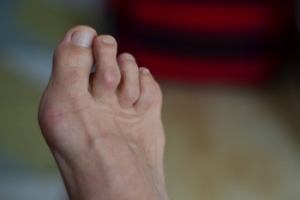

Hammertoe is a foot deformity where one or more toes bend abnormally at the middle joint, causing them to resemble a hammer. It can develop from wearing tight or ill-fitting shoes, muscle imbalance, arthritis, or injury. Symptoms include pain when wearing shoes, swelling, or corns or calluses on the affected toe. The toe may feel stiff or rigid, making it difficult to straighten or move comfortably. Hammertoe can start as a mild problem but may become more painful and limit movement over time. A podiatrist can diagnose hammertoe through a physical examination and imaging if necessary. Treatment options include wearing roomier shoes, using custom orthotics, targeted exercises, and toe splints. In more severe cases, minor surgery may be recommended to realign the toe. If you have a troublesome hammertoe, it is suggested that you make an appointment with a podiatrist to discuss the best treatment plan for your specific needs.
Hammertoes can be a painful condition to live with. For more information, contact Dr. Jeff Brooks of Oceanside Foot & Ankle Center. Our doctor will answer any of your foot- and ankle-related questions.
Hammertoe
Hammertoe is a foot deformity that occurs due to an imbalance in the muscles, tendons, or ligaments that normally hold the toe straight. It can be caused by the type of shoes you wear, your foot structure, trauma, and certain disease processes.
Symptoms
Risk Factors
Treatment
If you have hammertoe, you should change into a more comfortable shoe that provides enough room for your toes. Exercises such as picking up marbles may strengthen and stretch your toe muscles. Nevertheless, it is important to seek assistance from a podiatrist in order to determine the severity of your hammertoe and see which treatment option will work best for you.
If you have any questions, please feel free to contact our office located in Oceanside, CA . We offer the newest diagnostic and treatment technologies for all your foot care needs.



Copyright © Oceanside Foot And Ankle Center | Site Map | Nondiscrimination Policy | Design by: Podiatry Content Connection

 Shin Foot And Ankle Specialists - Default