
Foot & Ankle Specialist
Oceanside (760) 630-9200


Se Habla Espanol

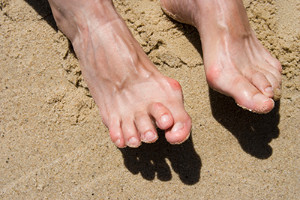
Overlapping toes can appear at birth or develop later in life. In newborns, the toes may overlap due to positioning in the womb or inherited foot structure. Gentle stretching and taping techniques are often used to encourage proper alignment during infancy. In many cases, the condition improves as the child grows and becomes more active. For adults, overlapping toes frequently result from wearing tight or ill-fitting shoes, arthritis, or long-term foot deformities such as bunions or hammertoes. Discomfort, corns, and difficulty finding comfortable footwear are common complaints. Non-surgical treatments may include wearing wider shoes, using toe spacers, and applying padding to relieve pressure. If pain persists or the overlap interferes with walking, surgical correction may be recommended to realign the toes and restore comfort. Whether the condition affects a newborn or an adult, it is suggested that you see a podiatrist for a proper diagnosis and appropriate treatment plan.
Hammertoes can be a painful condition to live with. For more information, contact Dr. Jeff Brooks of Oceanside Foot & Ankle Center. Our doctor will answer any of your foot- and ankle-related questions.
Hammertoe
Hammertoe is a foot deformity that occurs due to an imbalance in the muscles, tendons, or ligaments that normally hold the toe straight. It can be caused by the type of shoes you wear, your foot structure, trauma, and certain disease processes.
Symptoms
Risk Factors
Treatment
If you have hammertoe, you should change into a more comfortable shoe that provides enough room for your toes. Exercises such as picking up marbles may strengthen and stretch your toe muscles. Nevertheless, it is important to seek assistance from a podiatrist in order to determine the severity of your hammertoe and see which treatment option will work best for you.
If you have any questions, please feel free to contact our office located in Oceanside, CA . We offer the newest diagnostic and treatment technologies for all your foot care needs.

You don't need an excuse to have beautiful nails. Step outside without worrying about the appearance of your feet.
An ingrown toenail is a nail that has curved downward and grows into the skin. This typically occurs at the nail borders, or the sides of the nail. As a result, pain, redness, swelling, and warmth may occur in the toe. If a break in the skin forms due to the ingrown nail, bacteria may enter and cause an infection in the area; this is typically characterized by a foul odor and drainage.
Ingrown toenails have multiple reasons for developing. In many instances, the condition is a result of genetics and is inherited. The most common cause, however, is improper trimming; cutting the toenails too short forces the skin beside the nail to fold over. An ingrown toenail can also develop due to trauma, such as stubbing the toe, having an object fall on the toe, or participating in activities that involve repeated kicking or running. Wearing shoes that are too tight or too short can also cause ingrown toenails.
Treatment for an ingrown toenail varies between patients and the severity of the condition. Milder cases that don’t involve infection or other medical conditions can benefit from soaking the feet in room-temperature water and gently massaging the side of the nail. In most cases, however, it is best to see your podiatrist for thorough and proper treatment. After examining your toe, your podiatrist may prescribe oral antibiotics to clear the infection if one is present. Surgical removal of either a portion of the nail or the entire nail may also be considered. In some cases, complete removal or destruction of the nail root may be required. Most patients who undergo nail surgery experience minimal pain afterward and can return to normal activity the following day.
Ingrown toenails can be prevented with proper nail trimming and by avoiding improper-fitting shoes. When cutting the toenails, be sure that you are cutting in a straight line and avoid cutting them too short. Shoes should not be too short or tight in the toe box.
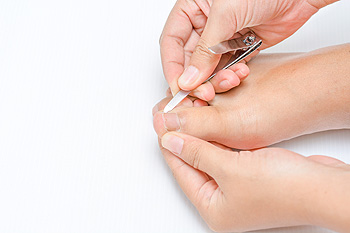
An ingrown toenail might seem like a small problem, but it can cause big discomfort. When the edge of the nail grows into the surrounding skin, it can lead to redness, swelling, pain, and even infection. Wearing tight shoes, improper nail trimming, and injuries often make the problem worse. While home remedies may provide temporary relief, persistent or painful ingrown toenails need professional care. A podiatrist can safely remove the problem portion of the nail, easing your pain and helping to prevent future issues. In some cases, they may recommend a simple procedure to stop the nail from growing back improperly. If you have an ingrown toenail that will not heal or keeps coming back, it is suggested that you schedule an appointment with a podiatrist who can provide the expert care you need.
Ingrown toenails may initially present themselves as a minor discomfort, but they may progress into an infection in the skin without proper treatment. For more information about ingrown toenails, contact Dr. Jeff Brooks of Oceanside Foot & Ankle Center. Our doctor can provide the care you need to keep you pain-free and on your feet.
Ingrown Toenails
Ingrown toenails are caused when the corner or side of a toenail grows into the soft flesh surrounding it. They often result in redness, swelling, pain, and in some cases, infection. This condition typically affects the big toe and may recur if it is not treated properly.
Causes
You are more likely to develop an ingrown toenail if you are obese, have diabetes, arthritis, or have any fungal infection in your nails. Additionally, people who have foot or toe deformities are at a higher risk of developing an ingrown toenail.
Symptoms
Some symptoms of ingrown toenails are redness, swelling, and pain. In rare cases, there may be a yellowish drainage coming from the nail.
Treatment
Ignoring an ingrown toenail can have serious complications. Infections of the nail border can progress to a deeper soft-tissue infection, which can then turn into a bone infection. You should always speak with your podiatrist if you suspect you have an ingrown toenail, especially if you have diabetes or poor circulation.
If you have any questions, please feel free to contact our office located in Oceanside, CA . We offer the newest diagnostic and treatment technologies for all your foot care needs.



 Shin Foot And Ankle Specialists - Default