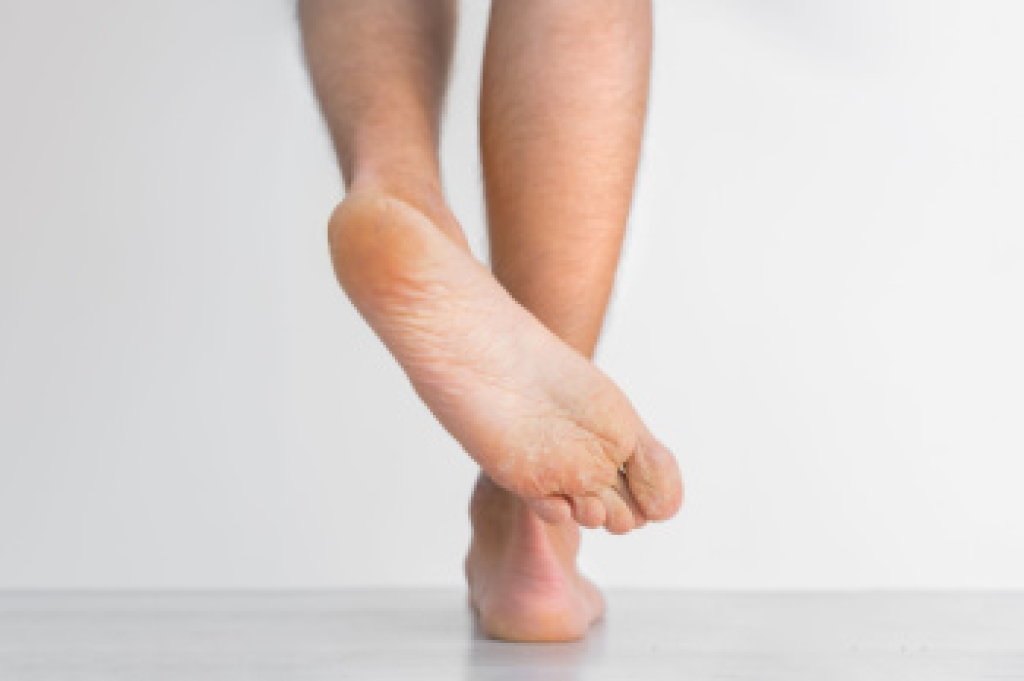
Athlete’s foot can turn a normal day into an uncomfortable one. This fungal skin infection causes itching, dryness, and peeling on the feet. It usually appears between the toes or on the soles. The fungus grows best in warm, damp, dark places. Shoes can create these conditions, especially when feet sweat. The infection is more likely to develop in warm weather, when sweating increases. Damp public spaces, including swimming pools, showers, and locker rooms, can also expose feet to the fungus. Despite its name, athlete’s foot does not affect only athletes. Anyone can develop it, even without playing sports. Knowing what causes the infection can help patients recognize symptoms and seek proper care before the problem becomes more serious.
The first signs of athlete’s foot are usually itchy patches of skin that look dry or scaly. Some patients notice peeling between their toes, while others develop irritated areas along the bottoms of their feet. As the infection becomes more severe, the skin can turn red and swollen. Painful cracks or fluid-filled blisters can also appear. Broken skin creates an opening for bacteria, which can lead to another infection. The fungus can spread beyond the original area and reach the toenails. Changes in the skin do not always mean athlete’s foot, however. Other foot problems can cause similar irritation. A podiatrist can examine the affected skin and determine whether a fungal infection is responsible. Getting an accurate diagnosis is important because the right treatment depends on the cause.
A podiatrist can help relieve athlete’s foot and reduce the chance of further complications. After examining the feet and discussing symptoms, the podiatrist can recommend an antifungal treatment. Options include medicated creams, sprays, and powders that target the fungus. The podiatrist can explain how the prescribed treatment works and how long it should be used. Patients with cracked skin, blisters, or possible toenail involvement may need a closer examination. A podiatrist can also check for signs of a bacterial infection and decide whether additional treatment is appropriate. Follow-up visits can help assess healing when symptoms are persistent or return after treatment. Prompt attention can make a difference in comfort and help prevent the infection from spreading. If you have symptoms of athlete’s foot, it is suggested that you schedule an appointment with a podiatrist for a diagnosis and appropriate treatment.
Athlete’s Foot
Athlete’s foot is often an uncomfortable condition to experience. Thankfully, podiatrists specialize in treating athlete’s foot and offer the best treatment options. If you have any questions about athlete’s foot, consult with Dr. Jeff Brooks from Oceanside Foot & Ankle Center. Our doctor will assess your condition and provide you with quality treatment.
What Is Athlete’s Foot?
Tinea pedis, more commonly known as athlete’s foot, is a non-serious and common fungal infection of the foot. Athlete’s foot is contagious and can be contracted by touching someone who has it or infected surfaces. The most common places contaminated by it are public showers, locker rooms, and swimming pools. Once contracted, it grows on feet that are left inside moist, dark, and warm shoes and socks.
Prevention
The most effective ways to prevent athlete’s foot include:
- Thoroughly washing and drying feet
- Avoid going barefoot in locker rooms and public showers
- Using shower shoes in public showers
- Wearing socks that allow the feet to breathe
- Changing socks and shoes frequently if you sweat a lot
Symptoms
Athlete’s foot initially occurs as a rash between the toes. However, if left undiagnosed, it can spread to the sides and bottom of the feet, toenails, and if touched by hand, the hands themselves. Symptoms include:
- Redness
- Burning
- Itching
- Scaly and peeling skin
Diagnosis and Treatment
Diagnosis is quick and easy. Skin samples will be taken and either viewed under a microscope or sent to a lab for testing. Sometimes, a podiatrist can diagnose it based on simply looking at it. Once confirmed, treatment options include oral and topical antifungal medications.
If you have any questions, please feel free to contact our offices located in Oceanside and Temecula, CA . We offer the newest diagnostic and treatment technologies for all your foot care needs.
