In-home visits and Telehealth appointments available. Call/text us to schedule.

The Diagnosis of Cuboid Syndrome

Having a physical examination performed is often an effective method to properly diagnose cuboid syndrome. This is done by applying direct pressure over the cuboid bone. A limited range of motion is often easy to notice. Pain on the outside of the foot and possibly extending to the ankle and toes may bring the patient in for an examination, and the midtarsal supination test is often performed. This consists of flexing the ankle and putting pressure on the cuboid bone. Common symptoms that are associated with this condition include intense pain, inflammation, and swelling. Relief may be found when the foot is wrapped with a protective covering that may help to provide stability as daily activities are accomplished. Despite the urge to keep moving, frequently elevating and resting the foot is beneficial as the healing process occurs. If you have pain in this part of your foot, please contact a podiatrist who can perform a proper diagnosis using the most effective methods, in addition to guiding you toward treatment techniques that are best for you.

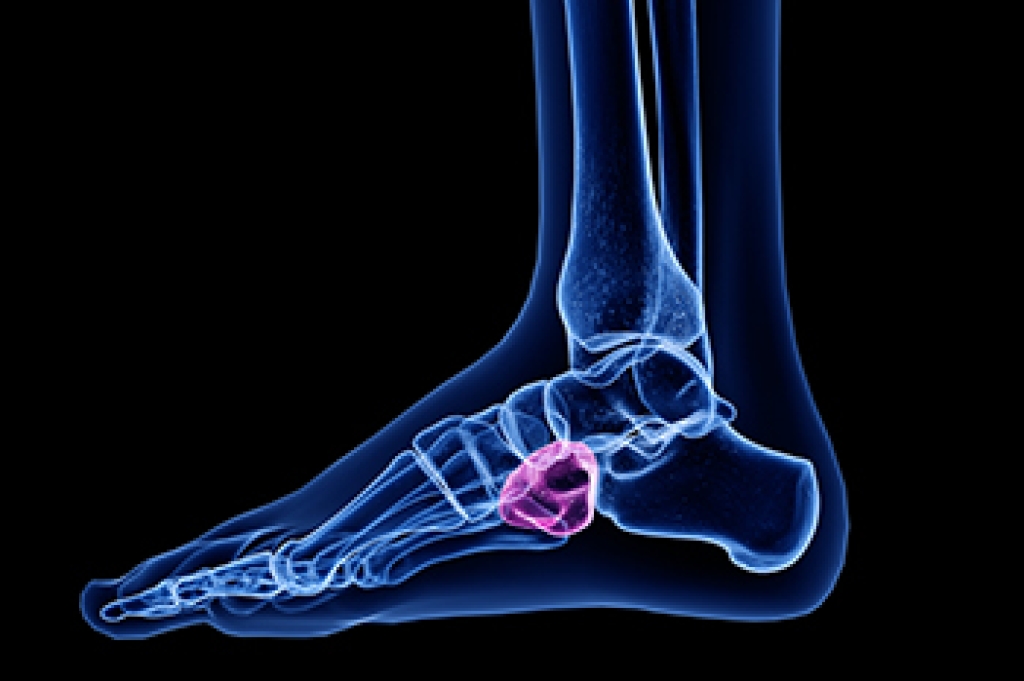
Cuboid syndrome, also known as cuboid subluxation, occurs when the joints and ligaments near the cuboid bone in the foot become torn. If you have cuboid syndrome, consult with Dr. Jeff Brooks from Oceanside Foot & Ankle Center. Our doctor will assess your condition and provide you with quality foot and ankle treatment.

Cuboid syndrome is a common cause of lateral foot pain, which is pain on the outside of the foot. The condition may happen suddenly due to an ankle sprain, or it may develop slowly overtime from repetitive tension through the bone and surrounding structures.

Causes

The most common causes of cuboid syndrome include:

  • Injury – The most common cause of this ailment is an ankle sprain.
  • Repetitive Strain – Tension placed through the peroneus longus muscle from repetitive activities such as jumping and running may cause excessive traction on the bone causing it to sublux.
  • Altered Foot Biomechanics – Most people suffering from cuboid subluxation have flat feet.

Symptoms

A common symptom of cuboid syndrome is pain along the outside of the foot which can be felt in the ankle and toes. This pain may create walking difficulties and may cause those with the condition to walk with a limp.

Diagnosis

Diagnosis of cuboid syndrome is often difficult, and it is often misdiagnosed. X-rays, MRIs and CT scans often fail to properly show the cuboid subluxation. Although there isn’t a specific test used to diagnose cuboid syndrome, your podiatrist will usually check if pain is felt while pressing firmly on the cuboid bone of your foot.

Treatment

Just as the range of causes varies widely, so do treatments. Some more common treatments are ice therapy, rest, exercise, taping, and orthotics.

If you have any questions, please feel free to contact our office located in Oceanside, CA . We offer the newest diagnostic and treatment technologies for all your foot care needs.

Read more about Cuboid Syndrome

Wounds That Don't Heal Need to Be Checked

Your feet are covered most of the day. If you're diabetic, periodic screening is important for good health. Numbness is often a sign of diabetic foot and can mask a sore or wound.

Causes and Symptoms of Toenail Fungus

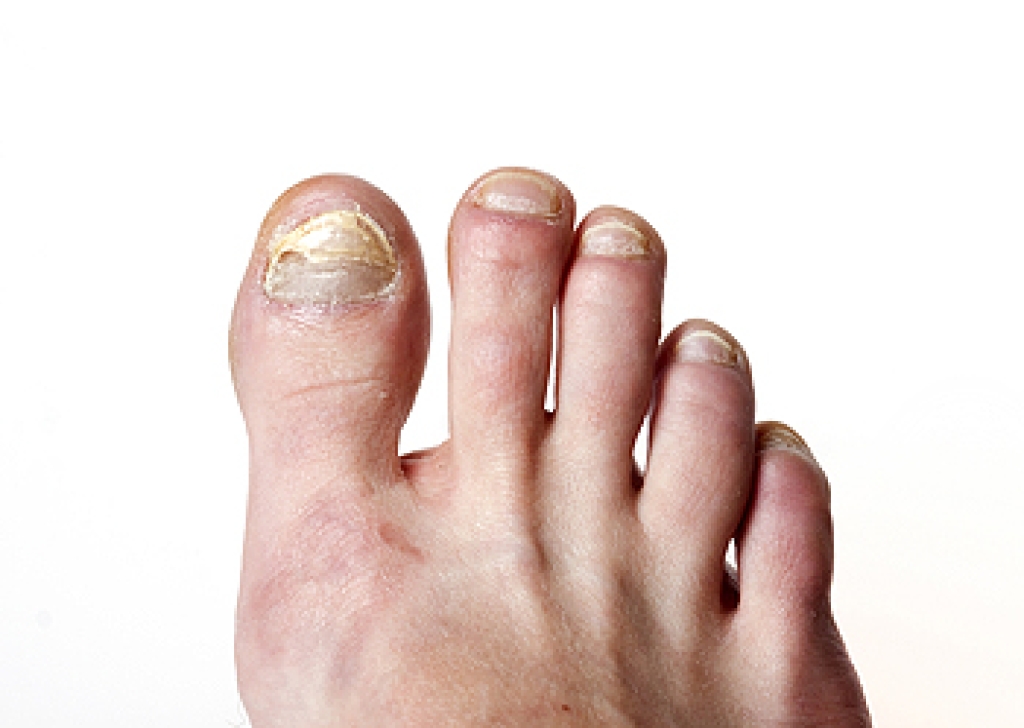
The toenails can become disfigured if they are infected by toenail fungus. The medical term for toenail fungus is onychomycosis,  which can be quite unsightly. It is caused by a fungus that lives in warm and moist environments, including public swimming pools, shower room floors, and locker rooms. The fungus can enter the body through small cracks in the skin, and it feeds on keratin that is found on the hard surface of the toenails. Additional factors like poor foot hygiene or wearing socks that are too tight can contribute to the development of toenail fungus. Also, existing medical conditions, such as diabetes and poor circulation, may lead to toenail fungus. Toenail fungus symptoms include hard, brittle toenails that often turn white or yellow. In severe cases, the nail may separate from the nail bed, which may require medical attention. If you experience any symptoms of fungal infection on your toenails, it is suggested that you contact a podiatrist who specializes in diagnosing and treating this condition.

If left untreated, toenail fungus may spread to other toenails, skin, or even fingernails. If you suspect you have toenail fungus it is important to seek treatment right away. For more information about treatment, contact Dr. Jeff Brooks of Oceanside Foot & Ankle Center. Our doctor can provide the care you need to keep you pain-free and on your feet.

Symptoms

  • Warped or oddly shaped nails
  • Yellowish nails
  • Loose/separated nail
  • Buildup of bits and pieces of nail fragments under the nail
  • Brittle, broken, thickened nail

Treatment

If self-care strategies and over-the-counter medications does not help your fungus, your podiatrist may give you a prescription drug instead. Even if you find relief from your toenail fungus symptoms, you may experience a repeat infection in the future.

Prevention

In order to prevent getting toenail fungus in the future, you should always make sure to wash your feet with soap and water. After washing, it is important to dry your feet thoroughly especially in between the toes. When trimming your toenails, be sure to trim straight across instead of in a rounded shape. It is crucial not to cover up discolored nails with nail polish because that will prevent your nail from being able to “breathe”.

In some cases, surgical procedure may be needed to remove the toenail fungus. Consult with your podiatrist about the best treatment options for your case of toenail fungus.  

If you have any questions please contact our office located in Oceanside, CA . We offer the newest diagnostic and treatment technologies for all your foot and ankle needs.

Read more about Treating Toenail Fungus

It's Time for Beautiful Feet

You don't need an excuse to have beautiful nails. Step outside without worrying about the appearance of your feet.

Dealing With Gangrene

One of the more severe side effects of diabetes is the development of wounds that do not heal properly. Wounds may cause skin ulcers, which can develop into gangrene if not treated correctly. Gangrene indicates the death of tissue, typically in the feet, because of decreased blood flow to the area. Causes of gangrene include diseases that affect blood circulation like smoking or infected wounds. Among the symptoms are pain and swelling, decay of the affected area, a blackened color, and a foul odor. If you have any of these symptoms it is essential to consult with a podiatrist who can evaluate the severity of the condition. Treatment may include debridement or removal of the dead tissue and intravenous antibiotic medication. In addition, pain relievers and anticoagulation medicine may be prescribed. In the most severe cases, the affected area may need to be amputated. For more information, please contact a podiatrist. 

Wound care is an important part in dealing with diabetes. If you have diabetes and a foot wound or would like more information about wound care for diabetics, consult with Dr. Jeff Brooks from Oceanside Foot & Ankle Center. Our doctor will assess your condition and provide you with quality foot and ankle treatment.

What Is Wound Care?

Wound care is the practice of taking proper care of a wound. This can range from the smallest to the largest of wounds. While everyone can benefit from proper wound care, it is much more important for diabetics. Diabetics often suffer from poor blood circulation which causes wounds to heal much slower than they would in a non-diabetic. 

What Is the Importance of Wound Care?

While it may not seem apparent with small ulcers on the foot, for diabetics, any size ulcer can become infected. Diabetics often also suffer from neuropathy, or nerve loss. This means they might not even feel when they have an ulcer on their foot. If the wound becomes severely infected, amputation may be necessary. Therefore, it is of the upmost importance to properly care for any and all foot wounds.

How to Care for Wounds

The best way to care for foot wounds is to prevent them. For diabetics, this means daily inspections of the feet for any signs of abnormalities or ulcers. It is also recommended to see a podiatrist several times a year for a foot inspection. If you do have an ulcer, run the wound under water to clear dirt from the wound; then apply antibiotic ointment to the wound and cover with a bandage. Bandages should be changed daily and keeping pressure off the wound is smart. It is advised to see a podiatrist, who can keep an eye on it.

If you have any questions please contact our office located in Oceanside, CA . We offer the newest diagnostic and treatment technologies for all your foot and ankle needs.

Read more about Wound Care
scroll to top