In-home visits and Telehealth appointments available. Call/text us to schedule.

Where Is the Plantar Fascia Located?

Patients that have a medical condition known as plantar fasciitis may notice the pain that often accompanies this ailment is worse in the morning upon arising. It occurs as a result of an inflamed plantar fascia, which is the tissue on the sole of the foot that connects the heel to the toes. This can happen from an injury that has occurred, or from standing for extended periods of time throughout the day on a hard surface. Patients who have developed this condition may find moderate relief when the foot is elevated as frequently as possible. Additionally, it may feel better to wear shoes that have adequate cushioning in the heel area. If you feel you have plantar fasciitis, it is strongly suggested that you consult with a podiatrist who can offer proper treatment options.

Plantar fasciitis can be very painful and inconvenient. If you are experiencing heel pain or symptoms of plantar fasciitis, contact Dr. Jeff Brooks  from Oceanside Foot & Ankle Center. Our doctor can provide the care you need to keep you pain-free and on your feet.

What Is Plantar Fasciitis?

Plantar fasciitis is the inflammation of the thick band of tissue that runs along the bottom of your foot, known as the plantar fascia, and causes mild to severe heel pain.

What Causes Plantar Fasciitis?

  • Excessive running
  • Non-supportive shoes
  • Overpronation
  • Repeated stretching and tearing of the plantar fascia

How Can It Be Treated?

  • Conservative measures – anti-inflammatories, ice packs, stretching exercises, physical therapy, orthotic devices
  • Shockwave therapy – sound waves are sent to the affected area to facilitate healing and are usually used for chronic cases of plantar fasciitis
  • Surgery – usually only used as a last resort when all else fails. The plantar fascia can be surgically detached from the heel

While very treatable, plantar fasciitis is definitely not something that should be ignored. Especially in severe cases, speaking to your doctor right away is highly recommended to avoid complications and severe heel pain. Your podiatrist can work with you to provide the appropriate treatment options tailored to your condition.

If you have any questions, please feel free to contact our office located in Oceanside, CA . We offer the newest diagnostic and treatment technologies for all your foot care needs.

Read more about Plantar Fasciitis

Do Your Child's Feet Hurt?

Have your child's feet been examined lately? Healthy feet are happy feet. If your child is complaining of foot pain, it may be a sign of underlying problems.

Signs a Wound is not Healing Properly

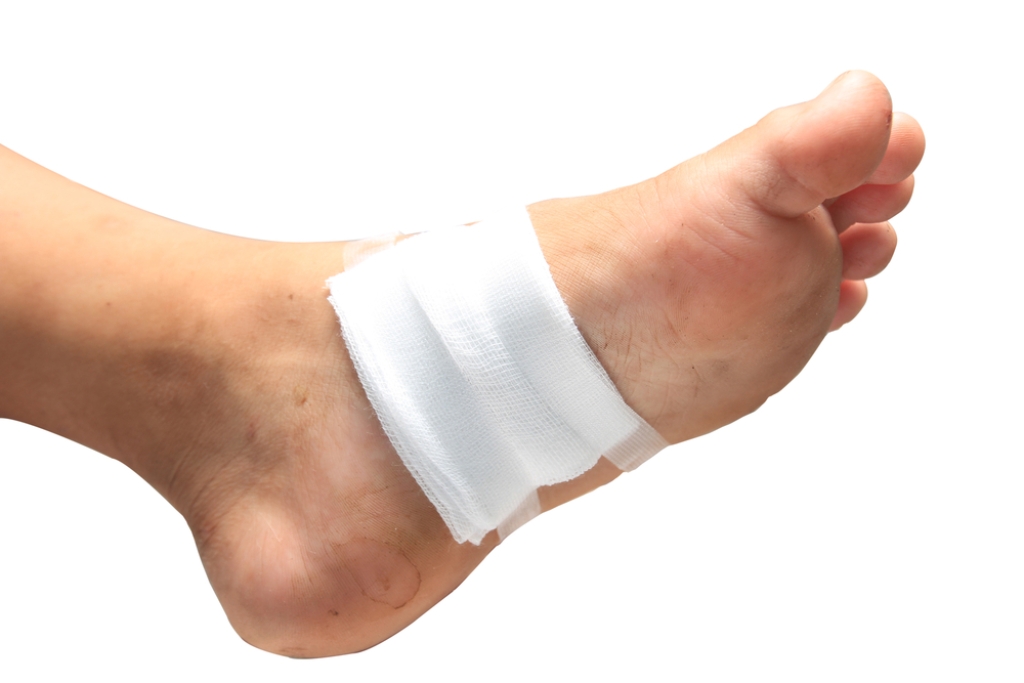
If you step on something that pierces the skin on the foot, it may be treated by applying a bandage or by using skin glue. An X-ray is often performed if the object is embedded in the sole of the foot, and surgery may be required to remove it. The wound will generally heal faster when it is kept clean and dry. After thoroughly washing the hands, the bandage should be removed, and the affected area washed with antibacterial soap and warm water. Many patients will notice if the wound is not healing properly. This can include redness and swelling, the edges of the wound may reopen, and it may be difficult to move the foot. If you would like additional information about how to care for a wound on the foot, it is suggested that you speak to a podiatrist.

Wound care is an important part in dealing with diabetes. If you have diabetes and a foot wound or would like more information about wound care for diabetics, consult with Dr. Jeff Brooks from Oceanside Foot & Ankle Center. Our doctor will assess your condition and provide you with quality foot and ankle treatment.

What Is Wound Care?

Wound care is the practice of taking proper care of a wound. This can range from the smallest to the largest of wounds. While everyone can benefit from proper wound care, it is much more important for diabetics. Diabetics often suffer from poor blood circulation which causes wounds to heal much slower than they would in a non-diabetic. 

What Is the Importance of Wound Care?

While it may not seem apparent with small ulcers on the foot, for diabetics, any size ulcer can become infected. Diabetics often also suffer from neuropathy, or nerve loss. This means they might not even feel when they have an ulcer on their foot. If the wound becomes severely infected, amputation may be necessary. Therefore, it is of the upmost importance to properly care for any and all foot wounds.

How to Care for Wounds

The best way to care for foot wounds is to prevent them. For diabetics, this means daily inspections of the feet for any signs of abnormalities or ulcers. It is also recommended to see a podiatrist several times a year for a foot inspection. If you do have an ulcer, run the wound under water to clear dirt from the wound; then apply antibiotic ointment to the wound and cover with a bandage. Bandages should be changed daily and keeping pressure off the wound is smart. It is advised to see a podiatrist, who can keep an eye on it.

If you have any questions please contact our office located in Oceanside, CA . We offer the newest diagnostic and treatment technologies for all your foot and ankle needs.

Read more about Wound Care

What Is Morton’s Neuroma?

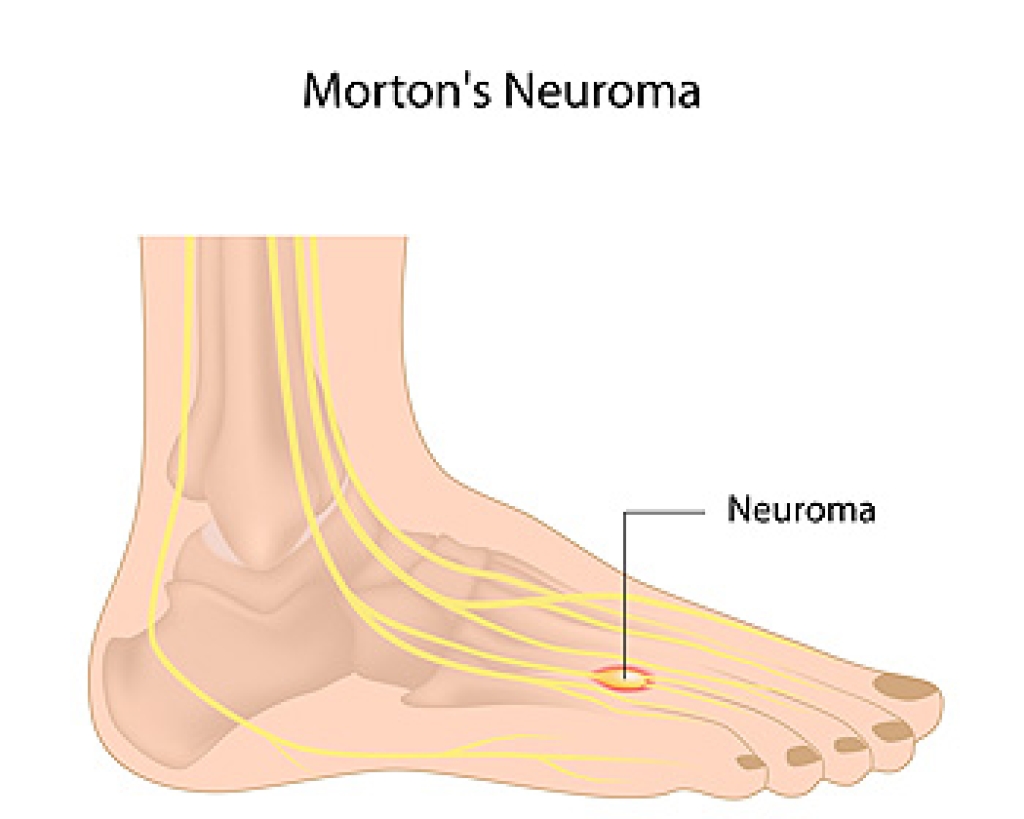
Patients who have discomfort between the third and fourth toes may be experiencing a condition that is referred to as Morton’s neuroma. It occurs as a result of swollen nerve tissue that grows in this area, and is known to be non-cancerous and painful. Additionally, pain may be felt on the ball of the foot. Research has indicated that patients who frequently wear high heels and participate in sporting activities may be prone to developing this condition. Effective treatment may consist of wearing different shoes, using painkillers, and some patients may benefit from taking steroid injections. There are gentle stretches that can be performed which may provide mild relief. If you are afflicted with Morton’s neuroma, it is advised that you consult with a podiatrist who can offer proper treatment options which may include surgery.

Morton’s neuroma is a very uncomfortable condition to live with. If you think you have Morton’s neuroma, contact Dr. Jeff Brooks of Oceanside Foot & Ankle Center. Our doctor will attend to all of your foot care needs and answer any of your related questions.  

Morton’s Neuroma

Morton's neuroma is a painful foot condition that commonly affects the areas between the second and third or third and fourth toe, although other areas of the foot are also susceptible. Morton’s neuroma is caused by an inflamed nerve in the foot that is being squeezed and aggravated by surrounding bones.

What Increases the Chances of Having Morton’s Neuroma?

  • Ill-fitting high heels or shoes that add pressure to the toe or foot
  • Jogging, running or any sport that involves constant impact to the foot
  • Flat feet, bunions, and any other foot deformities

Morton’s neuroma is a very treatable condition. Orthotics and shoe inserts can often be used to alleviate the pain on the forefront of the feet. In more severe cases, corticosteroids can also be prescribed. In order to figure out the best treatment for your neuroma, it’s recommended to seek the care of a podiatrist who can diagnose your condition and provide different treatment options.

If you have any questions, please feel free to contact our office located in Oceanside, CA . We offer the newest diagnostic and treatment technologies for all your foot care needs.
Read more about What is Morton's Neuroma?
scroll to top