In-home visits and Telehealth appointments available. Call/text us to schedule.

Illnesses and Conditions That Affect Your Feet

Several illnesses that affect your body also have a deleterious effect on your feet. In addition, simply aging can negatively affect the health of your feet. Anyone who has diabetes is at risk of developing serious foot and ankle problems. Two common side effects from this disease are nerve damage (neuropathy) and poor circulation (peripheral artery disease), and both are the result of high blood sugar levels. Neuropathy causes numbness and inhibits the ability to detect sores and wounds that may then become infected. Poor circulation limits blood flow to the extremities, slowing down the ability of the sores to heal. This combination can lead to the formation of ulcers on the feet and ankles, which if not treated properly may cause gangrene and in serious cases lead to amputation. Another condition that can seriously affect the feet is arthritis. This includes rheumatoid arthritis (RA), osteoarthritis (OA), and gout, which can result in pain, joint damage, and deformity. The aging process itself affects the feet as the skin loses its elasticity, protective fat pads get thinner, and the likelihood of falling increases. It is a good idea, especially if you have any of these conditions, to begin seeing a podiatrist for regular checkups designed to keep your feet healthy. 

Everyday foot care is very important to prevent infection and other foot ailments. If you need your feet checked, contact Dr. Jeff Brooks from Oceanside Foot & Ankle Center. Our doctor can provide the care you need to keep you pain-free and on your feet.

Everyday Foot Care

Often, people take care of their bodies, face and hair more so than they do for their feet. But the feet are a very important aspect of our bodies, and one that we should pay more attention to. Without our feet, we would not be able to perform most daily tasks.

It is best to check your feet regularly to make sure there are no new bruises or cuts that you may not have noticed before. For dry feet, moisturizer can easily be a remedy and can be applied as often as necessary to the affected areas. Wearing shoes that fit well can also help you maintain good foot health, as well as making it easier to walk and do daily activities without the stress or pain of ill-fitting shoes, high heels, or even flip flops. Wearing clean socks with closed shoes is important to ensure that sweat and bacteria do not accumulate within the shoe. Clean socks help to prevent Athlete’s foot, fungi problems, bad odors, and can absorb sweat.

If you have any questions, please feel free to contact our office located in Oceanside, CA . We offer the newest diagnostic and treatment technologies for all your foot care needs.

Read more about Every Day Foot Care

Managing Swollen Ankles and Feet

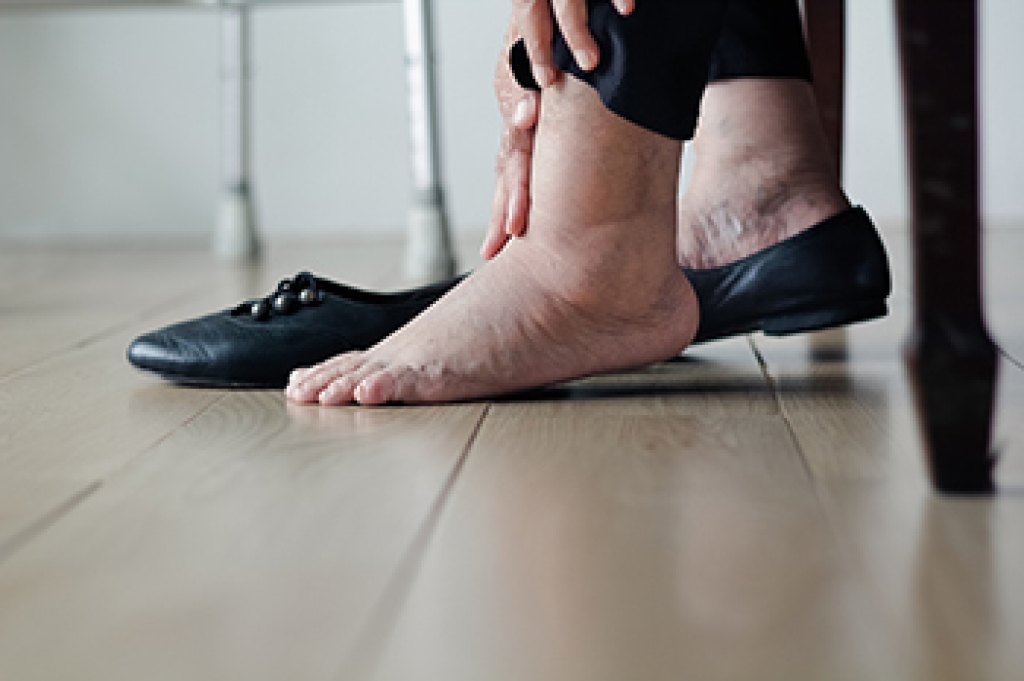
Swelling around the ankles is nothing to ignore. When one’s ankles become swollen, one can feel tight and restricted, making it significantly difficult to walk and wear shoes that would otherwise fit comfortably. Swelling can occur for any number of reasons. Commonly, pregnancy can make one’s feet swell because of the extra blood and fluids that a pregnant woman produces to support the growing baby. Additionally, your feet and ankles may swell in response to some kind of injury to your feet, ankles, or lower legs. Whatever the cause of your swollen ankles, there are a variety of steps that you might consider taking to mitigate the effects of your swollen ankles. Perhaps you might benefit from wearing compression socks or stockings. These stockings are made to put pressure on your feet, which has the effect of facilitating blood circulation and discouraging fluid from gathering in the feet. Besides wearing compression socks, you might also consider washing your feet and ankles in Epsom salts. This is done to increase magnesium levels, which can have the effect of minimizing inflammation. Lastly, a very common technique that is used to mitigate swollen feet and ankles is to elevate the feet to promote circulation. If you are concerned about your swollen feet, consider reaching out to a podiatrist.

Swollen feet can be a sign of an underlying condition. If you have any concerns, contact Dr. Jeff Brooks of Oceanside Foot & Ankle Center. Our doctor can provide the care you need to keep you pain-free and on your feet.

Swollen feet are a common ailment among pregnant women and people who stand or sit for extended periods. Aging may increase the possibility of swollen feet and patients who are obese often notice when their feet are swelling too. There may be medical reasons why swollen feet occur:

  • Phlebitis - A condition that causes the veins to become inflamed and can also cause leg pain.
  • Liver disease - This may lead to low blood levels of albumin which is a protein. This can cause fluid in the blood to pass into the tissues and several areas of the body can become swollen.
  • Heart failure - When the heart doesn’t pump properly the blood that is normally pumped back to the heart can pool in the veins of the legs causing swollen feet.
  • Kidney disease - One of the main functions of the kidneys is releasing excess fluid in the body. This type of condition can make it difficult for the kidneys to function properly, and as a result the feet may become swollen.
  • Deep-vein thrombosis (DVT)- This is a serious condition where blood clots form in the veins of the legs. They can block the return of blood from the legs to the heart which may cause the feet to swell. It is important to be treated by a podiatrist if this condition is present.

Swollen feet can also be caused by bone and tendon conditions, including fractures, arthritis, and tendinitis. Additionally, there may be skin and toenail conditions and an infection may cause the feet to swell. Patients who take medicine to treat high blood pressure may be prone to getting swollen feet. 

Many patients elevate their feet to help relieve the swelling and this is generally a temporary remedy. When a podiatrist is consulted the reason behind the swelling can be uncovered and subsequently treated.

If you have any questions please contact our office located in Oceanside, CA . We offer the newest diagnostic and treatment technologies for all your foot and ankle needs.

Read more about Swelling of the Feet

Gout Pain Can Be Managed

Gout is a painful, inflammatory form of arthritis. Those affected will typically feel an intense stiffness in the joints of their feet, particularly in the big toe. Schedule a visit to learn about how gout can be managed and treated.

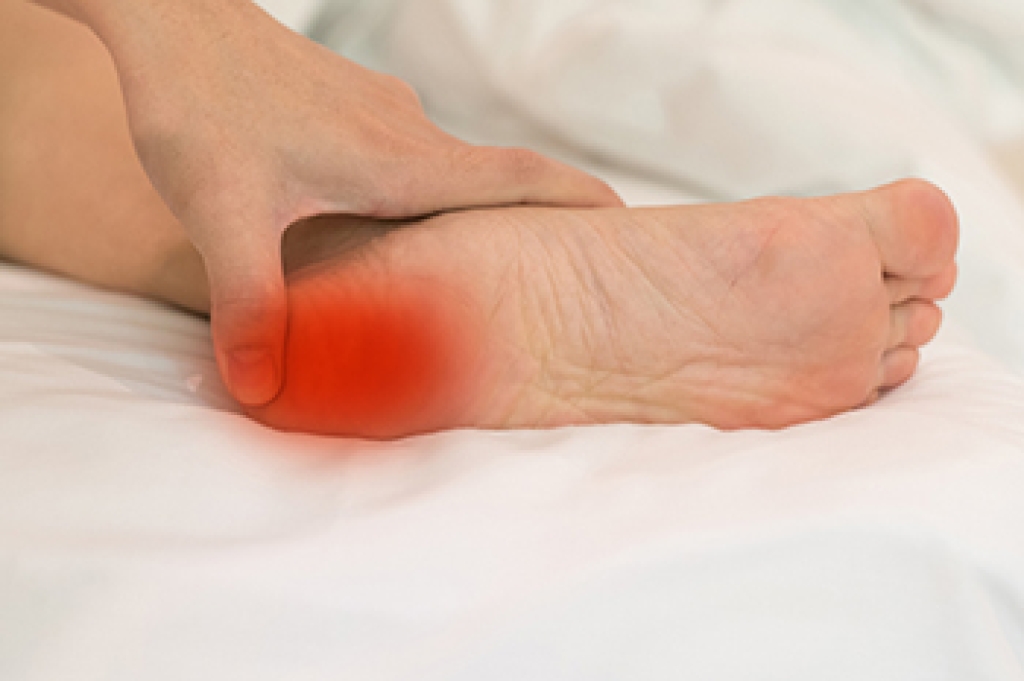
Why Is My Heel Painful?

If you have heel pain, you may find it difficult or even impossible to perform daily activities or participate in sports. There are several different causes of heel pain, with the most common one being plantar fasciitis. This is an overuse injury of the plantar fascia tissue that connects the heel with the toes on the bottom of the feet. People with plantar fasciitis can sometimes also have heel spurs, which are calcium deposits on the heel bone in response to repetitive trauma in the area. Heel spurs may or may not be symptomatic. Pain in the back of the heel may be due to calcaneal apophysitis. This condition can occur in children between 8 and 14 and is typically due to irritation from athletic activities or new shoes. Pain at the back of the heel may also be due to bursitis, which is an inflammation of the retrocalcaneal bursa sac between the heel and the Achilles tendon. This is also usually an overuse injury causing pain and inflammation. Posterior calcaneal exostosis, or pump bump, also causes pain at the back of the heel. This is a bony growth that develops mostly in women who wear high-heeled pumps. Achilles tendonitis is another type of overuse injury causing pain and inflammation to the tendon attached to the heel bone. It is suggested that you consult a podiatrist for a proper diagnosis and effective treatment plan. 

Many people suffer from bouts of heel pain. For more information, contact Dr. Jeff Brooks of Oceanside Foot & Ankle Center. Our doctor can provide the care you need to keep you pain-free and on your feet.

Causes of Heel Pain

Heel pain is often associated with plantar fasciitis. The plantar fascia is a band of tissues that extends along the bottom of the foot. A rip or tear in this ligament can cause inflammation of the tissue.

Achilles tendonitis is another cause of heel pain. Inflammation of the Achilles tendon will cause pain from fractures and muscle tearing. Lack of flexibility is also another symptom.

Heel spurs are another cause of pain. When the tissues of the plantar fascia undergo a great deal of stress, it can lead to ligament separation from the heel bone, causing heel spurs.

Why Might Heel Pain Occur?

  • Wearing ill-fitting shoes                
  • Wearing non-supportive shoes
  • Weight change           
  • Excessive running

Treatments

Heel pain should be treated as soon as possible for immediate results. Keeping your feet in a stress-free environment will help. If you suffer from Achilles tendonitis or plantar fasciitis, applying ice will reduce the swelling. Stretching before an exercise like running will help the muscles. Using all these tips will help make heel pain a condition of the past.

If you have any questions, please feel free to contact our office located in Oceanside, CA . We offer the newest diagnostic and treatment technologies for all your foot care needs.
Read more about Heel Pain
scroll to top