In-home visits and Telehealth appointments available. Call/text us to schedule.

Cuboid Syndrome and Running

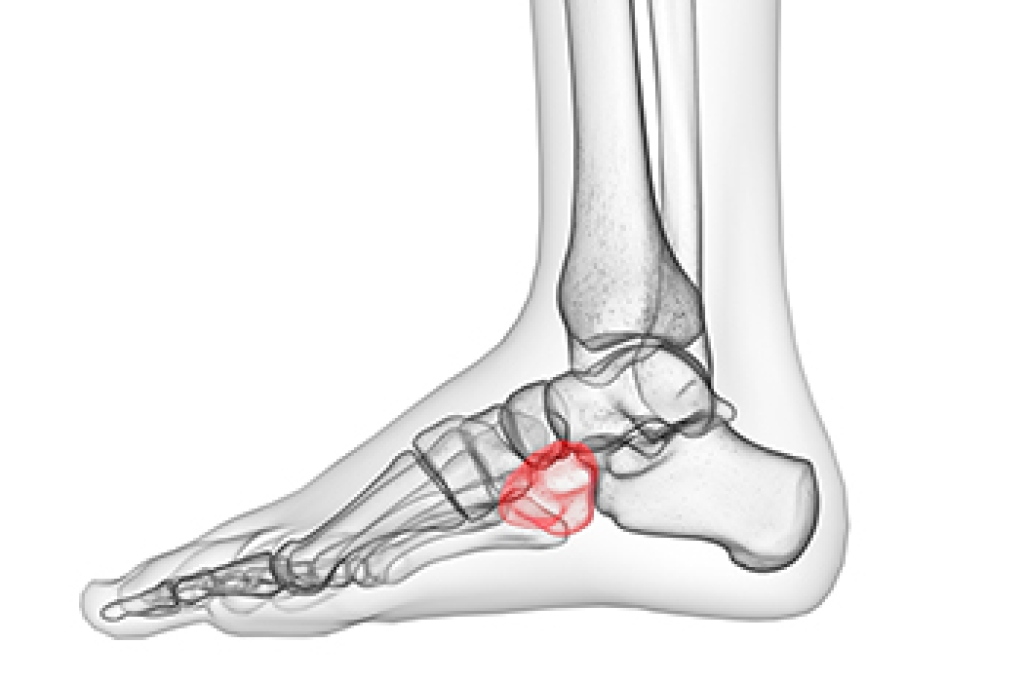
Cuboid syndrome is a condition in which the cuboid bone, located near the center of the foot, becomes displaced. If you’re a runner, this is a problem that you should watch out for. Your feet absorb shock up to two and a half times your body weight when you run. When all of the foot bones are properly aligned, your feet can absorb the shock without much discomfort. However, when the cuboid bone is displaced the feet can’t absorb shock as efficiently leading to foot pain, swelling, reduced range of motion, and difficulty bearing weight on the affected foot. Cuboid syndrome may occur in conjunction with an ankle sprain, or it can be caused by poor foot biomechanics or injury. If you are experiencing any foot pain please seek the care of a podiatrist.

Cuboid syndrome, also known as cuboid subluxation, occurs when the joints and ligaments near the cuboid bone in the foot become torn. If you have cuboid syndrome, consult with Dr. Jeff Brooks from Oceanside Foot & Ankle Center. Our doctor will assess your condition and provide you with quality foot and ankle treatment.

Cuboid syndrome is a common cause of lateral foot pain, which is pain on the outside of the foot. The condition may happen suddenly due to an ankle sprain, or it may develop slowly overtime from repetitive tension through the bone and surrounding structures.

Causes

The most common causes of cuboid syndrome include:

  • Injury – The most common cause of this ailment is an ankle sprain.
  • Repetitive Strain – Tension placed through the peroneus longus muscle from repetitive activities such as jumping and running may cause excessive traction on the bone causing it to sublux.
  • Altered Foot Biomechanics – Most people suffering from cuboid subluxation have flat feet.

Symptoms

A common symptom of cuboid syndrome is pain along the outside of the foot which can be felt in the ankle and toes. This pain may create walking difficulties and may cause those with the condition to walk with a limp.

Diagnosis

Diagnosis of cuboid syndrome is often difficult, and it is often misdiagnosed. X-rays, MRIs and CT scans often fail to properly show the cuboid subluxation. Although there isn’t a specific test used to diagnose cuboid syndrome, your podiatrist will usually check if pain is felt while pressing firmly on the cuboid bone of your foot.

Treatment

Just as the range of causes varies widely, so do treatments. Some more common treatments are ice therapy, rest, exercise, taping, and orthotics.

If you have any questions, please feel free to contact our office located in Oceanside, CA . We offer the newest diagnostic and treatment technologies for all your foot care needs.

Read more about All About Cuboid Syndrome

It's Time for Beautiful Feet

You don't need an excuse to have beautiful nails. Step outside without worrying about the appearance of your feet.

Is My Toe Sprained or Is It Broken?

The symptoms of a mildly broken toe and a sprained toe can be similar. Many toes that are sprained could possibly heal on their own. However, a broken toe generally requires a more proactive healing method. An effective way to accomplish this is by taping the affected toe to the toe next to it. This process is referred to as buddy taping. Symptoms of a broken toe can consist of immediate swelling and bruising, and it can often become difficult to walk and move the affected toe. If you are experiencing signs of a broken toe, it is strongly suggested that you speak with a podiatrist as soon as possible so they can provide you with correct treatment options.

A broken toe can be very painful and lead to complications if not properly fixed. If you have any concerns about your feet, contact Dr. Jeff Brooks from Oceanside Foot & Ankle Center. Our doctor will treat your foot and ankle needs.

What to Know About a Broken Toe

Although most people try to avoid foot trauma such as banging, stubbing, or dropping heavy objects on their feet, the unfortunate fact is that it is a common occurrence. Given the fact that toes are positioned in front of the feet, they typically sustain the brunt of such trauma. When trauma occurs to a toe, the result can be a painful break (fracture).

Symptoms of a Broken Toe

  • Throbbing pain
  • Swelling
  • Bruising on the skin and toenail
  • The inability to move the toe
  • Toe appears crooked or disfigured
  • Tingling or numbness in the toe

Generally, it is best to stay off of the injured toe with the affected foot elevated.

Severe toe fractures may be treated with a splint, cast, and in some cases, minor surgery. Due to its position and the pressure it endures with daily activity, future complications can occur if the big toe is not properly treated.

If you have any questions, please feel free to contact our office located in Oceanside, CA . We offer the newest diagnostic and treatment technologies for all your foot care needs.

Read more about What to Know About a Broken Toe

Heel Pain Can Be Treated!

Do you suffer from heel pain when you get up in the morning? If so, you should seek professional help and have a proper diagnosis performed. Heel pain can be caused by several different foot-related conditions.

What Is Used to Treat Toenail Fungus?

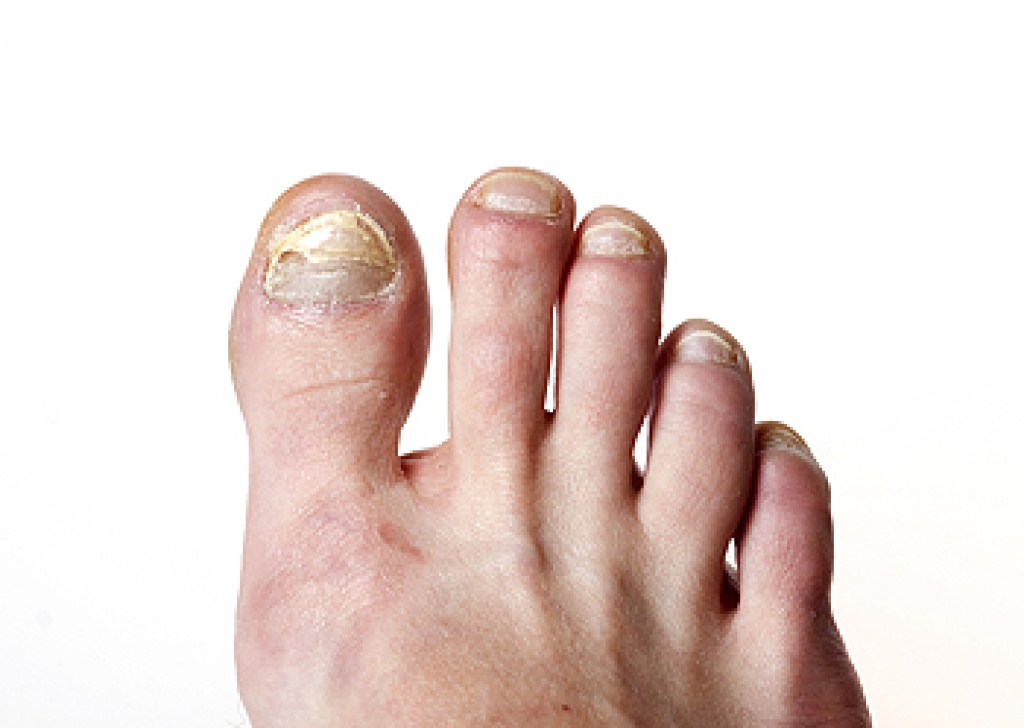
Fungal toenail infections can be unsightly, causing the nails to thicken and become brittle, crumbly, and discolored. In severe cases, the nail may separate from the nail bed, which can be painful. People with diabetes should also be wary of toenail fungus, as it can lead to complications if left untreated. A podiatrist may prescribe various medications to treat toenail fungus. Topical medications are applied directly to the nail, often in the form of a cream or medicated nail polish. Oral medications are taken by mouth and help new, uninfected nails to grow in. Sometimes, a podiatrist may prescribe both treatments simultaneously, however, it can take months for an infection to clear up. If you have toenail fungus, please consult with a podiatrist to determine what treatments may be right for you. 

For more information about treatment, contact Dr. Jeff Brooks of Oceanside Foot & Ankle Center. Our doctor can provide the care you need to keep you pain-free and on your feet.

Toenail Fungus Treatment

Toenail fungus is a condition that affects many people and can be especially hard to get rid of. Fortunately, there are several methods to go about treating and avoiding it.

Antifungals & Deterrence

Oral antifungal medicine has been shown to be effective in many cases. It is important to consult with a podiatrist to determine the proper regiment for you, or potentially explore other options.

Applying foot powder on the feet and shoes helps keep the feet free of moisture and sweat.

Sandals or open toed shoes – Wearing these will allow air movement and help keep feet dry. They also expose your feet to light, which fungus cannot tolerate. Socks with moisture wicking material also help as well.

If you have any questions please contact our office located in Oceanside, CA . We offer the newest diagnostic and treatment technologies for all your foot and ankle needs.

Read more about Toenail Fungus
scroll to top