
Suffering from this type of pain? You may have the foot condition known as Morton's neuroma. Morton's neuroma may develop as a result of ill-fitting footwear and existing foot deformities. We can help.
Suffering from this type of pain? You may have the foot condition known as Morton's neuroma. Morton's neuroma may develop as a result of ill-fitting footwear and existing foot deformities. We can help.
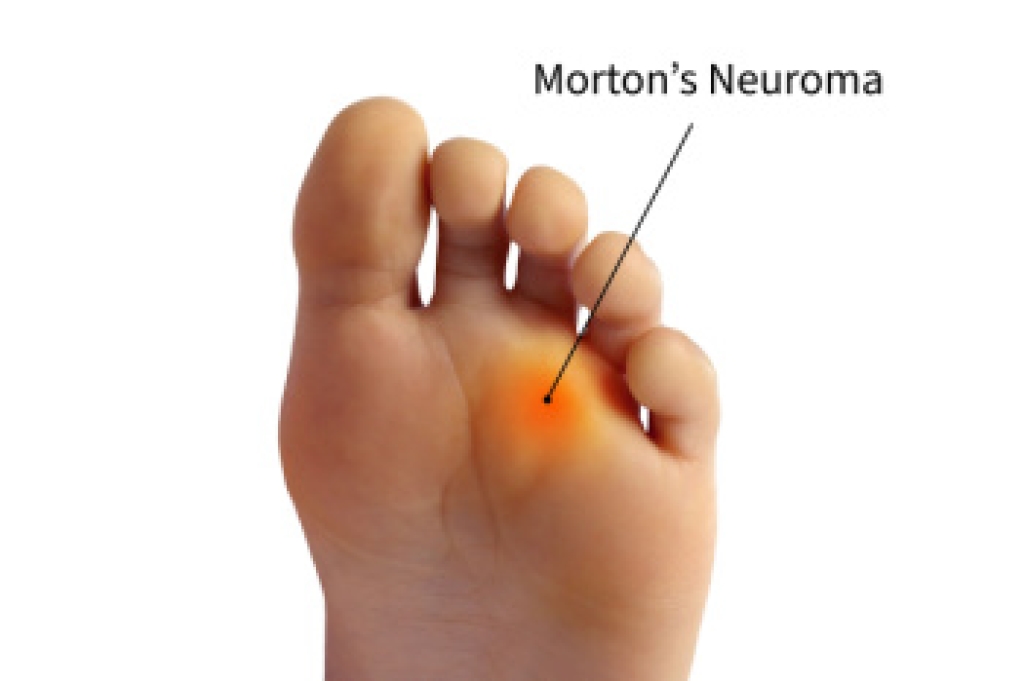
Morton’s neuroma develops when tissue surrounding a nerve between the toes becomes thicker because of repeated pressure or irritation. The problem usually affects the space between the third and fourth toes. As the tissue thickens, it squeezes the nerve and creates pain. Many people describe the feeling as though they are standing on a small pebble or have a fold in their sock. Burning pain, tingling, and numbness are also common. Symptoms usually become worse while walking or wearing tight, narrow shoes. Removing the shoes can bring temporary relief, but discomfort frequently returns when pressure on the nerve continues. Some people notice pain even while resting after a busy day.
Several factors increase the risk of Morton’s neuroma. Shoes that squeeze the toes place extra pressure on the nerve. High-heeled shoes can also increase stress on the front of the foot. Certain foot shapes, like flat feet or high arches, can change the way pressure is spread across the foot. A podiatrist diagnoses the condition by discussing symptoms and carefully examining the foot. Gentle pressure between the toes can help locate the irritated nerve. An ultrasound or MRI scan can help confirm the diagnosis and guide treatment decisions when a clearer view of the affected area is needed.
A podiatrist creates a treatment plan that reduces pressure on the affected nerve and improves comfort. Treatment includes shoes with a wide toe area, custom orthotics, and steroid injections. These options can reduce irritation and make walking more comfortable. When symptoms continue despite treatment, surgery to remove the affected nerve can provide lasting relief. Early diagnosis helps prevent symptoms from becoming more disruptive and allows treatment to begin before pain limits daily activities. Prompt care also helps patients stay active with greater comfort and confidence. If you have symptoms of Morton’s neuroma, it is suggested that you schedule an appointment with a podiatrist for a diagnosis and appropriate treatment.
Morton’s neuroma is a very uncomfortable condition to live with. If you think you have Morton’s neuroma, contact Dr. Jeff Brooks of Oceanside Foot & Ankle Center. Our doctor will attend to all of your foot care needs and answer any of your related questions.
Morton’s Neuroma
Morton's neuroma is a painful foot condition that commonly affects the areas between the second and third or third and fourth toe, although other areas of the foot are also susceptible. Morton’s neuroma is caused by an inflamed nerve in the foot that is being squeezed and aggravated by surrounding bones.
What Increases the Chances of Having Morton’s Neuroma?
Morton’s neuroma is a very treatable condition. Orthotics and shoe inserts can often be used to alleviate the pain on the forefront of the feet. In more severe cases, corticosteroids can also be prescribed. In order to figure out the best treatment for your neuroma, it’s recommended to seek the care of a podiatrist who can diagnose your condition and provide different treatment options.
If you have any questions, please feel free to contact our offices located in Oceanside and Temecula, CA . We offer the newest diagnostic and treatment technologies for all your foot care needs.

Have your child's feet been examined lately? Healthy feet are happy feet. If your child is complaining of foot pain, it may be a sign of underlying problems.
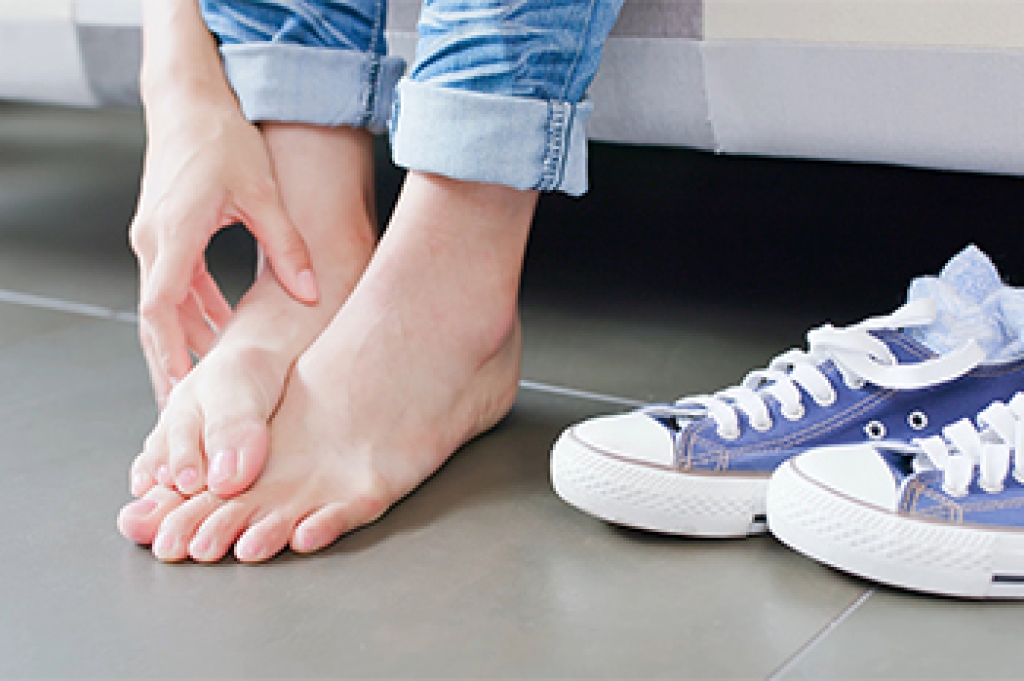
Athlete's foot is a fungal skin infection that affects the feet and can spread from one area to another when left untreated. Fungus is a tiny living organism that grows well in warm, damp places. The infection frequently begins between the toes, but it can also affect the soles, sides, or heels of the feet. Many people first notice itching, burning, or stinging that becomes more irritating while walking or wearing shoes. The skin can become red, flaky, or cracked, and painful splits in the skin can develop. Some patients also notice peeling or small blisters that make standing and walking uncomfortable. Because several skin conditions look similar, a podiatrist can determine whether athlete's foot is the true cause of the problem.
Athlete's foot spreads through direct contact with the fungus or by touching contaminated surfaces. Places like locker rooms, swimming pool decks, and public showers create conditions where the fungus can survive. The infection is also more likely to develop when people spend long periods wearing shoes that keep the feet warm and moist. Shoes that lack proper support can increase friction on the feet, which can add to discomfort when the skin is already irritated. A podiatrist performs a careful examination of the affected skin and reviews symptoms to confirm the diagnosis. In some cases, a small sample of skin is examined to identify the fungus and rule out other skin conditions.
Treatment focuses on eliminating the fungal infection and preventing it from spreading. A podiatrist can prescribe antifungal medications that target the fungus and reduce symptoms. Patients with severe infections or repeated infections sometimes require stronger prescription medication. A podiatrist also checks for skin cracks or other problems that increase the chance of complications. Prompt care can help protect healthy skin and reduce the risk of the infection spreading to the toenails or other areas of the foot. If you have symptoms of athlete's foot, it is suggested that you make an appointment with a podiatrist for diagnosis and treatment.
Athlete’s foot is an inconvenient condition that can be easily reduced with the proper treatment. If you have any concerns about your feet and ankles, contact Dr. Jeff Brooks from Oceanside Foot & Ankle Center. Our doctor will treat your foot and ankle needs.
Athlete’s Foot: The Sole Story
Athlete's foot, also known as tinea pedis, can be an extremely contagious foot infection. It is commonly contracted in public changing areas and bathrooms, dormitory style living quarters, around locker rooms and public swimming pools, or anywhere your feet often come into contact with other people.
Solutions to Combat Athlete’s Foot
Athlete’s foot can cause many irritating symptoms such as dry and flaking skin, itching, and redness. Some more severe symptoms can include bleeding and cracked skin, intense itching and burning, and even pain when walking. In the worst cases, Athlete’s foot can cause blistering as well. Speak to your podiatrist for a better understanding of the different causes of Athlete’s foot, as well as help in determining which treatment options are best for you.
If you have any questions please feel free to contact our offices located in Oceanside and Temecula, CA . We offer the newest diagnostic and treatment technologies for all your foot and ankle needs.

Your feet are covered most of the day. If you're diabetic, periodic screening is important for good health. Numbness is often a sign of diabetic foot and can mask a sore or wound.
