
Have you noticed a bony protrusion on the side of your big toe? If so, you may have developed the foot condition known as a bunion. Don't let bunions interfere with your daily activities.
Have you noticed a bony protrusion on the side of your big toe? If so, you may have developed the foot condition known as a bunion. Don't let bunions interfere with your daily activities.
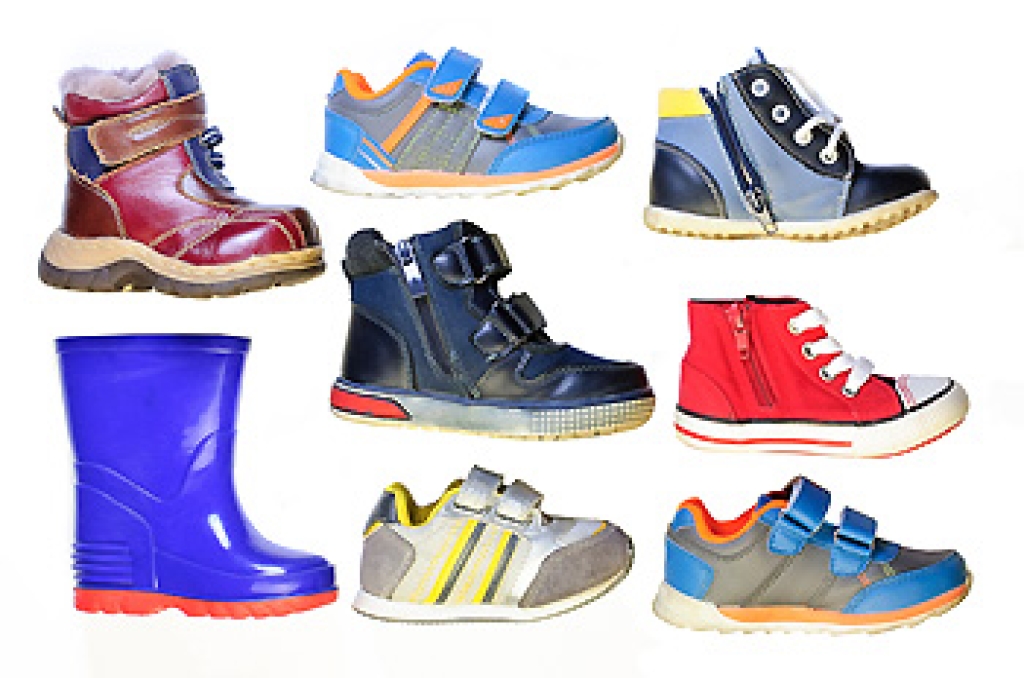
Children’s feet are still growing and developing, making proper foot care and well-fitting shoes essential. Common foot issues in children include flat feet, toe walking, in-toeing, and heel pain, often from Sever’s disease. These problems can be caused by genetics, wearing improper footwear, or overuse during sports and play. Symptoms include limping, frequent tripping, uneven shoe wear, or complaints of foot, ankle, or leg pain. Shoes that are too tight, too loose, or lack support can worsen these issues or cause blisters, calluses, and posture problems. A podiatrist can assess your child’s foot development and walking pattern, recommend proper footwear, and provide custom orthotics, if needed. Early intervention is key to preventing long-term problems and supporting healthy growth. If you suspect your child is having foot issues, it is suggested that you schedule an appointment with a podiatrist for an accurate diagnosis and appropriate treatment solutions.
The health of a child’s feet is vital to their overall well-being. If you have any questions regarding foot health, contact Dr. Jeff Brooks of Oceanside Foot & Ankle Center. Our doctor can provide the care you need to keep you pain-free and on your feet.
Tips for Keeping Children's Feet Healthy
If you have any questions, please feel free to contact our offices located in Oceanside and Temecula, CA . We offer the newest diagnostic and treatment technologies for all your foot care needs.

If left untreated, an ingrown toenail can lead to more serious concerns, such as an infection. Knowing proper nail care can help in the prevention of an ingrown toenail. Give us a call, and get treated!

Feet carry the body’s full weight with every step, making them especially vulnerable when health is not at its best. Extra pounds can place excess pressure on the arches, heels, and joints, often leading to pain, inflammation, or instability. A lack of movement can weaken muscles and limit circulation, setting the stage for long-term damage. Diabetes adds further risk, as poor blood flow and nerve changes may prevent a person from noticing injuries. Small cuts or pressure spots can turn into serious infections, if left untreated. In combination, these factors often make foot care more complex and more important. Ignoring foot discomfort can lead to lasting problems, especially when other health concerns are involved. If your feet ache, swell, or feel numb, it is suggested that you see a podiatrist for a personalized evaluation and plan to keep you steady, mobile, and protected.
The more you weigh, the harder your feet must work to support your body. If you’re an obese individual and are concerned about your feet, contact Dr. Jeff Brooks from Oceanside Foot & Ankle Center. Our doctor can provide the care you need to keep you pain-free and on your feet.
Obesity and Your Feet
People who are overweight are putting more pressure on their ankles, knees, and hips as well as their feet. This unfortunately can lead to variety of different issues.
Problems & Complications Stemming from Obesity
If you have any questions please contact our offices located in Oceanside and Temecula, CA . We offer the newest diagnostic and treatment technologies for all your foot and ankle needs.

Custom orthotics, or shoe inserts, should be periodically replaced. Orthotics must fit properly to give you the best results. Protect your feet and ankles!
