In-home visits and Telehealth appointments available. Call/text us to schedule.

What is Limb Salvage Surgery?

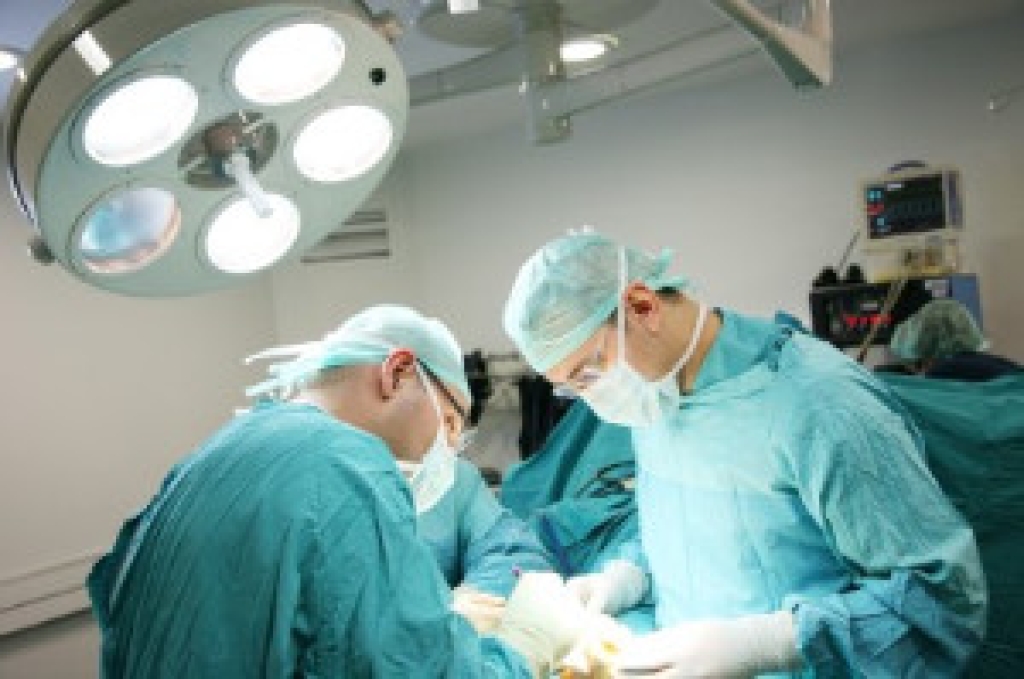
When there are serious and potentially dangerous complications in the feet and legs, sometimes undergoing a surgical procedure may be recommended. One surgical procedure that may be needed is limb salvage surgery. Sometimes, this procedure is performed on the leg when a tumor forms in the limb. Commonly, it will be used as a way to address cancers that may form in the soft tissue or the bone. As opposed to an amputation, limb salvage can save the limb. During this procedure, pieces of the bone and tissue, or parts of the limb, might be removed. This procedure has the potential to be especially useful to patients, as it would enable them to keep their bodies intact despite any serious complications they may have in their lower limbs. If you think that you may be a candidate for limb salvage surgery, it is suggested to contact a podiatrist who can help provide guidance.

Limb salvage can be an effective way in preventing the need for limb amputation. If you have diabetes, cancer, or any other condition that could lead to foot amputation if left unchecked, consult with Dr. Jeff Brooks from Oceanside Foot & Ankle Center. Our doctor will assess your condition and provide you with quality foot and ankle treatment.

What Is Limb Salvage?

Limb salvage is the attempt of saving a limb, such as the foot from amputation. Podiatrists also try to make sure that there is enough function in the foot after the salvage that it is still usable. Diabetes is the number one cause of non-traumatic amputations in the United States. Those with diabetes experience poor blood circulation, which prevents proper healing of an ulcer. If the ulcer is left uncheck, it could become infected, which could result in the need for amputation.

However, there are other causes as well, such as cancer and traumatic injury. Links between higher mortality rates and amputation have been found. This translates into higher healthcare costs, and a reduced quality of life and mobility for amputees. Podiatrists have attempted to increase the prevalence of limb salvage in an attempt to solve these issues.

Diagnosis and Treatment

Limb salvage teams have grown in recent years that utilize a number of different treatments to save the infected limb. This includes podiatrists that specialize in wound care, rehabilitation, orthotics, and surgery. Through a combination of these methods, limb salvage has been found to be an effective treatment for infected limbs, and as an alternative to amputation. Podiatrists will first evaluate the potential for limb salvage and determine if the limb can be saved or must be amputated. 

If you have any questions, please feel free to contact our office located in Oceanside, CA . We offer the newest diagnostic and treatment technologies for all your foot care needs.

Read more about Limb Salvage

Why Live with Pain and Numbness in Your Feet?

Suffering from this type of pain? You may have the foot condition known as Morton's neuroma. Morton's neuroma may develop as a result of ill-fitting footwear and existing foot deformities. We can help.

How Is Gout Diagnosed?

The pain from a severe gout attack can be debilitating. Many patients find it difficult to walk, and even the weight of a bed sheet can be disturbing. Gout is a type of arthritis that is brought on by an excess amount of uric acid in the blood. This converts to crystals, and can lodge in the joints of the big toe. Gout can develop from genetic reasons, leading a sedentary lifestyle, or from eating foods that are not healthy. These include an excess of red meat, shellfish or alcohol, or from having drinks that are made with large amounts of sugar. There may also be existing medical conditions that can lead to gout. Among these are obesity, high blood pressure, diabetes, or kidney damage. A proper diagnosis of gout involves having a blood sample drawn that can determine the uric acid level. In severe cases, there may be a needle inserted into the affected joint, and an analysis of the fluid. Relief may be found when the foot is elevated, and this may help to diminish a portion of the swelling that often accompanies gout. If you have gout attacks, it is strongly advised that you are under the care of a podiatrist who can properly diagnose and treat this condition.

Gout is a foot condition that requires certain treatment and care. If you are seeking treatment, contact Dr. Jeff Brooks from Oceanside Foot & Ankle Center. Our doctor will treat your foot and ankle needs.

What Is Gout?

Gout is a type of arthritis caused by a buildup of uric acid in the bloodstream. It often develops in the foot, especially the big toe area, although it can manifest in other parts of the body as well. Gout can make walking and standing very painful and is especially common in diabetics and the obese.

People typically get gout because of a poor diet. Genetic predisposition is also a factor. The children of parents who have had gout frequently have a chance of developing it themselves.

Gout can easily be identified by redness and inflammation of the big toe and the surrounding areas of the foot. Other symptoms include extreme fatigue, joint pain, and running high fevers. Sometimes corticosteroid drugs can be prescribed to treat gout, but the best way to combat this disease is to get more exercise and eat a better diet.

If you have any questions, please feel free to contact our office located in Oceanside, CA . We offer the newest diagnostic and treatment technologies for all your foot care needs.

Read more about Everything You Need to Know About Gout

Do Your Child's Feet Hurt?

Have your child's feet been examined lately? Healthy feet are happy feet. If your child is complaining of foot pain, it may be a sign of underlying problems.

Dealing With Seed Corns on the Foot

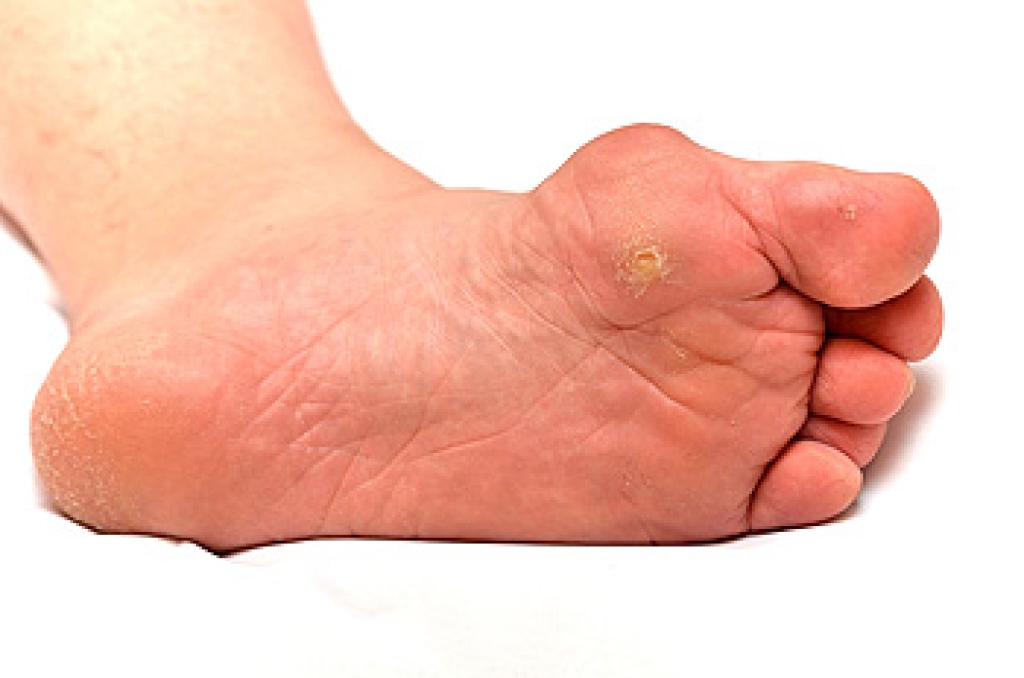
A seed corn, also known as heloma miliare, is a tiny round callus that forms on a weight-bearing part of the foot. Seed corns can develop anywhere there is repeated friction and are common to the ball of the foot or the bottom of the heel. Foot deformities, such as bunions or hammertoes, may change how you walk, increasing the chances that a seed corn will form. Seed corns are not particularly dangerous, but they can become painful when pressure or weight is applied, causing further gait problems. They can be prevented by wearing shoes that fit properly, with plenty of toe room and low heels. Seed corns may be linked with dry skin, so moisturizing the feet is important. Wearing socks to form a cushion between the foot and inside of the shoe may also help. Special orthotics may be necessary in cases of recurring or persistent seed corn formation. In that case, it is a good idea to consult a podiatrist for help with removal of the corns and creating a custom shoe insert that works for you.

Corns can make walking very painful and should be treated immediately. If you have questions regarding your feet and ankles, contact Dr. Jeff Brooks of Oceanside Foot & Ankle Center. Our doctor will treat your foot and ankle needs.

Corns: What Are They? And How Do You Get Rid of Them?
Corns are thickened areas on the skin that can become painful. They are caused by excessive pressure and friction on the skin. Corns press into the deeper layers of the skin and are usually round in shape.

Ways to Prevent Corns
There are many ways to get rid of painful corns such as:

  • Wearing properly fitting shoes that have been measured by a professional
  • Wearing shoes that are not sharply pointed or have high heels
  • Wearing only shoes that offer support

Treating Corns

Although most corns slowly disappear when the friction or pressure stops, this isn’t always the case. Consult with your podiatrist to determine the best treatment option for your case of corns.

If you have any questions, please feel free to contact our office located in Oceanside, CA . We offer the newest diagnostic and treatment technologies for all your foot care needs.

Read more about Corns: What Are They, and How Do You Get Rid of Them
scroll to top