In-home visits and Telehealth appointments available. Call/text us to schedule.

The Right Shoes may Make a Difference for Bunions

A bunion is a bony bump that forms on the joint where your big toe connects to your foot. Bunions can cause stiffness and pain, but some symptoms may be alleviated by wearing the right shoes. It is recommended that you wear flats, as heels can put extra stress on your bunions. It is also recommended that you wear socks with your shoes. Socks can cover your bunions and protect them from irritation. You may also want to choose lightweight shoes with thicker soles to cushion and support your feet. Perhaps most crucially, your shoes should fit your foot well and be wide enough in the toe area to not put any more pressure on your bunions. If you are afflicted with a bunion it is recommended to consult with a podiatrist who can help you determine the correct shoes, and provide other treatment options.

If you are suffering from bunion pain, contact Dr. Jeff Brooks of Oceanside Foot & Ankle Center. Our doctor can provide the care you need to keep you pain-free and on your feet.

What Is a Bunion?

Bunions are painful bony bumps that usually develop on the inside of the foot at the joint of the big toe. As the deformity increases over time, it may become painful to walk and wear shoes. Women are more likely to exacerbate existing bunions since they often wear tight, narrow shoes that shift their toes together. Bunion pain can be relieved by wearing wider shoes with enough room for the toes.

Causes

  • Genetics – some people inherit feet that are more prone to bunion development
  • Inflammatory Conditions - rheumatoid arthritis and polio may cause bunion development

Symptoms

  • Redness and inflammation
  • Pain and tenderness
  • Callus or corns on the bump
  • Restricted motion in the big toe

In order to diagnose your bunion, your podiatrist may ask about your medical history, symptoms, and general health. Your doctor might also order an x-ray to take a closer look at your feet. Nonsurgical treatment options include orthotics, padding, icing, changes in footwear, and medication. If nonsurgical treatments don’t alleviate your bunion pain, surgery may be necessary.

If you have any questions, please feel free to contact our office located in Oceanside, CA . We offer the newest diagnostic and treatment technologies for all your foot care needs.

Read more about Bunions

Plantar Warts Can Be Treated!

Plantar warts are small growths that develop on parts of the feet that bear weight. They're typically found on the bottom of the foot. Don't live with plantar warts, and call us today!

How Obesity Can Hurt Your Feet

Obesity can cause a variety of health problems throughout the entire body. One often overlooked area that is affected by obesity are the feet. Studies have found that general foot pain and plantar heel pain are strongly associated with an increase in body mass index. That is, the higher your weight, the more likely you are to develop pain in your feet. Furthermore, obese individuals are more likely to have flat feet, which can result in strained muscles and ligaments that bring about foot pain. Obese individuals are also at greater risk of developing poor circulation to the feet, peripheral artery disease, and peripheral neuropathy, all of which lead to decreased foot function. A podiatrist can help address concerns regarding your foot health, and provide advice regarding what you can do to improve it.

Obesity has become very problematic at this point in time and can have extremely negative effects on the feet. If you’re an obese individual and are concerned about your feet, contact Dr. Jeff Brooks from Oceanside Foot & Ankle Center. Our doctor can provide the care you need to keep you pain-free and on your feet.

Obesity and Your Feet

Since your feet are what support your entire weight when standing, any additional weight can result in pain and swelling. Being overweight is one of the main contributors to foot complications.

Problems & Complications

Extra Weight – Even putting on just a few extra pounds could create serious complications for your feet. As your weight increases, your balance and body will shift, creating new stresses on your feet. This uneven weight distribution can cause pain, even while doing the simplest tasks, such as walking.

Diabetes – People who are overweight are at serious risk of developing type-2 diabetes, which has a drastic impact on the health of your feet. As you get older, your diabetes might worsen, which could lead to loss of feeling in your feet, sores, and bruises. You could also become more prone to various infections.

Plantar fasciitis – Pressure and stress that is placed on muscles, joints, and tendons can trigger plantar fasciitis, which is an inflammation of tissue that forms along the bottom of the foot. 

If you have any questions, please feel free to contact our office located in Oceanside, CA . We offer the newest diagnostic and treatment technologies for all your foot care needs.

Read more about How Obesity Affects Your Feet

Morton’s Neuroma and the Ball of the Foot

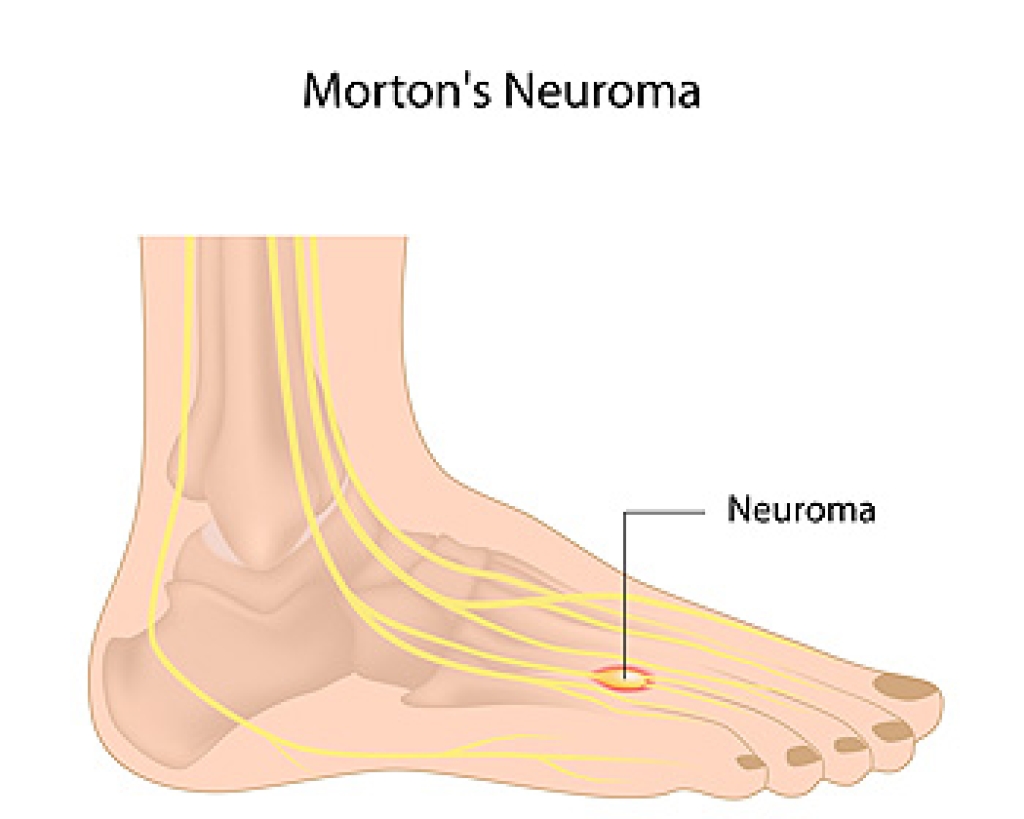
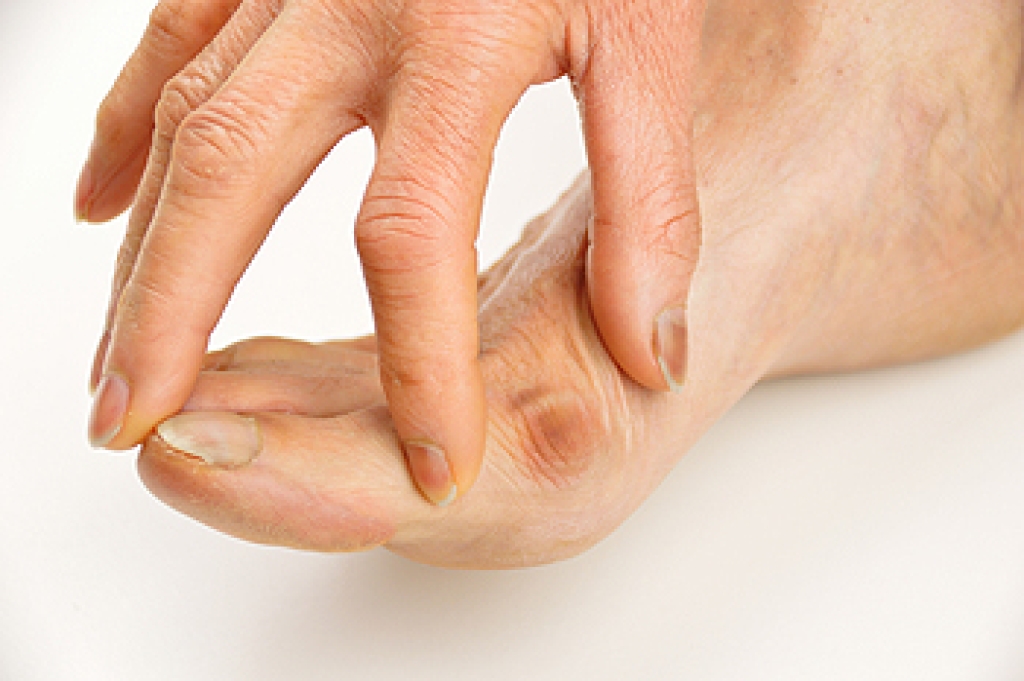
The medical condition that is known as Morton’s neuroma refers to a pinched nerve in the ball of the foot. Pain and discomfort are often felt between the third and fourth toes. The affected nerve can become swollen and is often trapped between the surrounding bones and tissues. The symptoms patients experience can include a numbing or tingling sensation, in addition to swelling between the toes. This condition may gradually develop from wearing shoes that do not have adequate room for the toes to move freely in. Flat feet or high arches may contribute to the onset of Morton’s neuroma, and relief may be found when appropriate shoes are worn. If you are experiencing this type of foot pain, it is suggested that you are under the care of a podiatrist who can help you to manage this condition.

Morton’s neuroma is a very uncomfortable condition to live with. If you think you have Morton’s neuroma, contact Dr. Jeff Brooks of Oceanside Foot & Ankle Center. Our doctor will attend to all of your foot care needs and answer any of your related questions.  

Morton’s Neuroma

Morton's neuroma is a painful foot condition that commonly affects the areas between the second and third or third and fourth toe, although other areas of the foot are also susceptible. Morton’s neuroma is caused by an inflamed nerve in the foot that is being squeezed and aggravated by surrounding bones.

What Increases the Chances of Having Morton’s Neuroma?

  • Ill-fitting high heels or shoes that add pressure to the toe or foot
  • Jogging, running or any sport that involves constant impact to the foot
  • Flat feet, bunions, and any other foot deformities

Morton’s neuroma is a very treatable condition. Orthotics and shoe inserts can often be used to alleviate the pain on the forefront of the feet. In more severe cases, corticosteroids can also be prescribed. In order to figure out the best treatment for your neuroma, it’s recommended to seek the care of a podiatrist who can diagnose your condition and provide different treatment options.

If you have any questions, please feel free to contact our office located in Oceanside, CA . We offer the newest diagnostic and treatment technologies for all your foot care needs.

Read more about Morton's Neuroma
scroll to top