
Your feet are covered most of the day. If you're diabetic, periodic screening is important for good health. Numbness is often a sign of diabetic foot and can mask a sore or wound.
Your feet are covered most of the day. If you're diabetic, periodic screening is important for good health. Numbness is often a sign of diabetic foot and can mask a sore or wound.
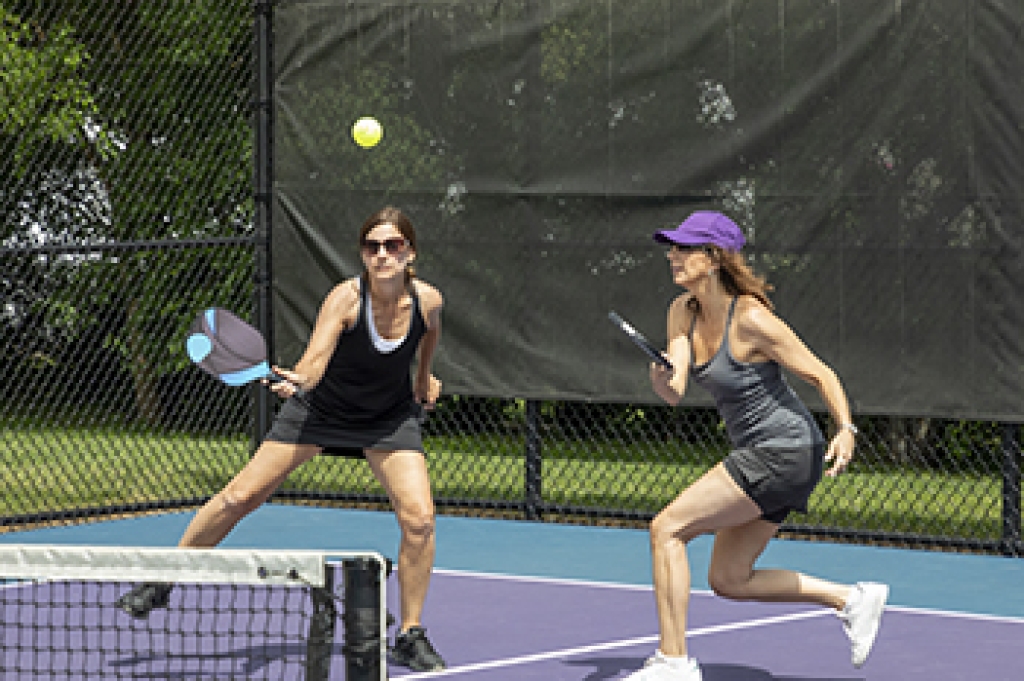
Pickleball may look low impact, but the quick stops, sharp turns, and constant movement can take a toll on the feet. Wearing shoes designed for the sport makes a noticeable difference. Pickleball shoes offer the kind of lateral support and sole stability that everyday sneakers often lack. This helps reduce the risk of ankle sprains, heel pain, and arch strain. The right pair can also absorb shock better and provide a firm grip on the court, lowering the chance of slipping. Breathable materials and a reinforced toe box add to both comfort and protection, especially during long matches or frequent play. Whether you are new to the game or playing several times a week, proper footwear can help you move with more confidence and less risk. If you are experiencing foot pain during or after playing pickleball, it is suggested that you schedule an appointment with a podiatrist for a diagnosis and appropriate treatment.
Sports related foot and ankle injuries require proper treatment before players can go back to their regular routines. For more information, contact Dr. Jeff Brooks of Oceanside Foot & Ankle Center. Our doctor can provide the care you need to keep you pain-free and on your feet.
Sports Related Foot and Ankle Injuries
Foot and ankle injuries are a common occurrence when it comes to athletes of any sport. While many athletes dismiss the initial aches and pains, the truth is that ignoring potential foot and ankle injuries can lead to serious problems. As athletes continue to place pressure and strain the area further, a mild injury can turn into something as serious as a rupture and may lead to a permanent disability. There are many factors that contribute to sports related foot and ankle injuries, which include failure to warm up properly, not providing support or wearing bad footwear. Common injuries and conditions athletes face, including:
Sports related injuries are commonly treated using the RICE method. This includes rest, applying ice to the injured area, compression and elevating the ankle. More serious sprains and injuries may require surgery, which could include arthroscopic and reconstructive surgery. Rehabilitation and therapy may also be required in order to get any recovering athlete to become fully functional again. Any unusual aches and pains an athlete sustains must be evaluated by a licensed, reputable medical professional.
If you have any questions please contact our offices located in Oceanside and Temecula, CA . We offer the newest diagnostic and treatment technologies for all your foot and ankle needs.

You don't need an excuse to have beautiful nails. Step outside without worrying about the appearance of your feet.
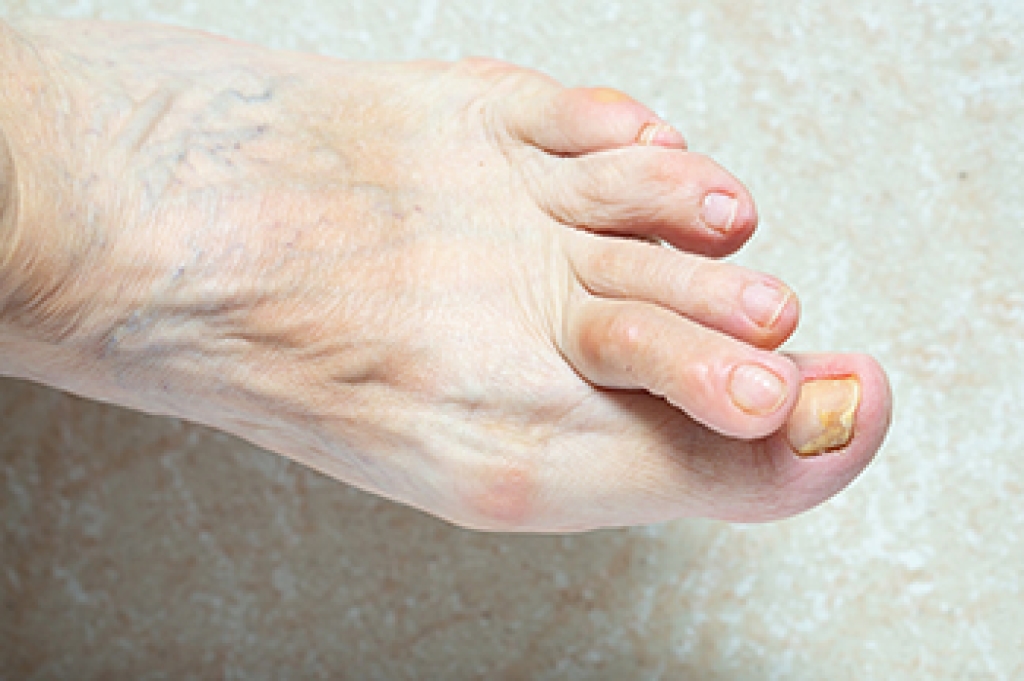
Hammertoe causes one or more toes to bend downward at the middle joint, often due to muscle imbalance or years of wearing tight or narrow shoes. This condition can lead to pain, stiffness, and difficulty in finding comfortable footwear. Early care focuses on relieving pressure and improving toe alignment. Switching to shoes with a deep, wide toe box can reduce friction and prevent further irritation. Toe cushions or splints may help straighten the toe and ease discomfort. Gentle stretching exercises can improve flexibility and reduce stiffness. If the toe becomes rigid or painful with movement, medical treatment may be needed. Options include custom orthotics, anti-inflammatory care, or surgery, in more severe cases. If you are experiencing persistent pain or difficulty with footwear, it is suggested that you see a podiatrist for a diagnosis and treatment plan tailored to your condition.
Hammertoe
Hammertoes can be a painful condition to live with. For more information, contact Dr. Jeff Brooks from Oceanside Foot & Ankle Center. Our doctor will answer any of your foot- and ankle-related questions.
Hammertoe is a foot deformity that affects the joints of the second, third, fourth, or fifth toes of your feet. It is a painful foot condition in which these toes curl and arch up, which can often lead to pain when wearing footwear.
Symptoms
Causes
Genetics – People who are genetically predisposed to hammertoe are often more susceptible
Arthritis – Because arthritis affects the joints in your toes, further deformities stemming from arthritis can occur
Trauma – Direct trauma to the toes could potentially lead to hammertoe
Ill-fitting shoes – Undue pressure on the front of the toes from ill-fitting shoes can potentially lead to the development of hammertoe
Treatment
Orthotics – Custom made inserts can be used to help relieve pressure placed on the toes and therefore relieve some of the pain associated with it
Medications – Oral medications such as anti-inflammatories or NSAIDs could be used to treat the pain and inflammation hammertoes causes. Injections of corticosteroids are also sometimes used
Surgery – In more severe cases where the hammertoes have become more rigid, foot surgery is a potential option
If you have any questions, please feel free to contact our offices located in Oceanside and Temecula, CA . We offer the newest diagnostic and treatment technologies for all your foot care needs.

Do you suffer from heel pain when you get up in the morning? If so, you should seek professional help and have a proper diagnosis performed. Heel pain can be caused by several different foot-related conditions.
