In-home visits and Telehealth appointments available. Call/text us to schedule.

What Is Foot Overpronation?

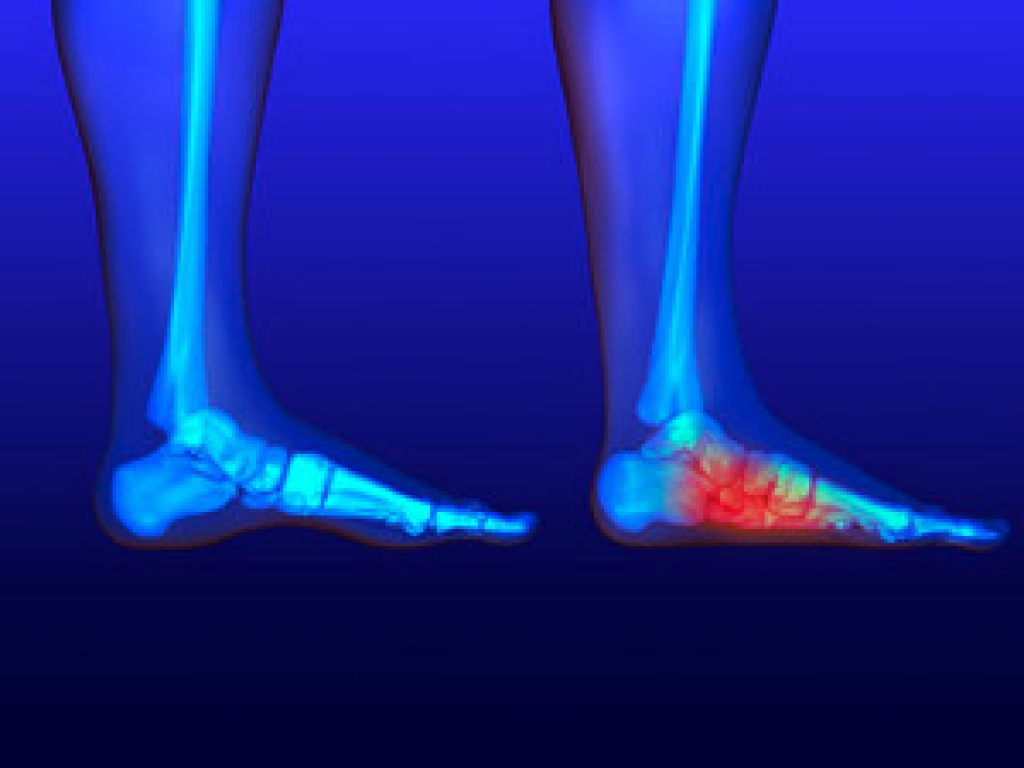
Pronation refers to the foot turning downward or inward as you walk or run. This is a normal component of a gait or walking pattern. In some people, however, the foot turns downward or inward too much, resulting in overpronation. This is a biomechanical problem that is particularly common among people with flat feet and can lead to foot and ankle problems such as plantar fasciitis and Achilles tendonitis. Runners and other athletes who have an overpronated gait are at an increased risk of foot and ankle injuries and often require specialized footwear or orthotics to help correct their gait and prevent injuries. If you suspect you may have an overpronated gait, a podiatrist can perform a gait analysis and determine the right course of treatment for you.

If you have any concerns about your feet, contact Dr. Jeff Brooks from Oceanside Foot & Ankle Center. Our doctor can provide the care you need to keep you pain-free and on your feet.

Biomechanics in Podiatry

Podiatric biomechanics is a particular sector of specialty podiatry with licensed practitioners who are trained to diagnose and treat conditions affecting the foot, ankle and lower leg. Biomechanics deals with the forces that act against the body, causing an interference with the biological structures. It focuses on the movement of the ankle, the foot and the forces that interact with them.

A History of Biomechanics

  • Biomechanics dates back to the BC era in Egypt where evidence of professional foot care has been recorded.
  • In 1974, biomechanics gained a higher profile from the studies of Merton Root, who claimed that by changing or controlling the forces between the ankle and the foot, corrections or conditions could be implemented to gain strength and coordination in the area.

Modern technological improvements are based on past theories and therapeutic processes that provide a better understanding of podiatric concepts for biomechanics. Computers can provide accurate information about the forces and patterns of the feet and lower legs.

Understanding biomechanics of the feet can help improve and eliminate pain, stopping further stress to the foot.

If you have any questions please feel free to contact our office located in Oceanside, CA . We offer the newest diagnostic and treatment technologies for all your foot and ankle needs.

Read more about Biomechanics in Podiatry

Do Your Child's Feet Hurt?

Have your child's feet been examined lately? Healthy feet are happy feet. If your child is complaining of foot pain, it may be a sign of underlying problems.

Achilles Tendonitis Can Turn Into Tendonosis

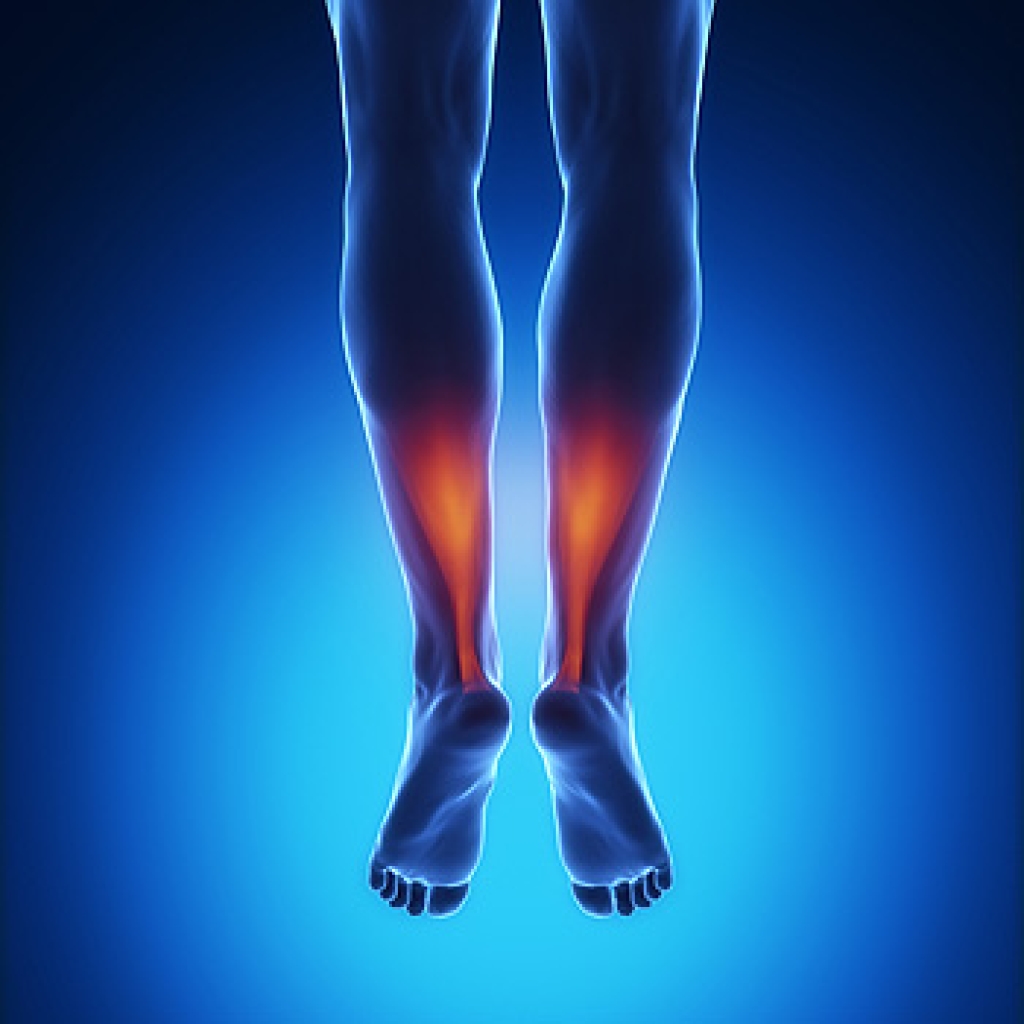
The Achilles tendon is a thick band of fibrous tissue located at the back of the lower leg. It connects the calf muscle to the heel bone and allows us to walk by raising the heel off of the ground. Repetitive stress placed on this tendon during activities such as running, playing high impact sports, and working on your feet can cause the tendon to become injured. Initially, the Achilles tendon may become inflamed in a condition known as Achilles tendonitis. An inflamed Achilles tendon can be painful, tender, and stiff. If left untreated, Achilles tendonitis could become chronic and lead to a degeneration of the tendon known as Achilles tendonosis. This condition makes the tendon lose its organized structure and makes it more likely to develop microscopic tears that cause chronic pain and may restrict mobility. Achilles tendonosis can also make a full rupture more likely. If you experience pain in your calf muscles, it is strongly suggested that you seek the care of a podiatrist who can diagnose and treat your condition and prevent further injury.

Achilles tendon injuries need immediate attention to avoid future complications. If you have any concerns, contact Dr. Jeff Brooks of Oceanside Foot & Ankle Center. Our doctor can provide the care you need to keep you pain-free and on your feet.

What Is the Achilles Tendon?

The Achilles tendon is a tendon that connects the lower leg muscles and calf to the heel of the foot. It is the strongest tendon in the human body and is essential for making movement possible. Because this tendon is such an integral part of the body, any injuries to it can create immense difficulties and should immediately be presented to a doctor.

What Are the Symptoms of an Achilles Tendon Injury?

There are various types of injuries that can affect the Achilles tendon. The two most common injuries are Achilles tendinitis and ruptures of the tendon.

Achilles Tendinitis Symptoms

  • Inflammation
  • Dull to severe pain
  • Increased blood flow to the tendon
  • Thickening of the tendon

Rupture Symptoms

  • Extreme pain and swelling in the foot
  • Total immobility

Treatment and Prevention

Achilles tendon injuries are diagnosed by a thorough physical evaluation, which can include an MRI. Treatment involves rest, physical therapy, and in some cases, surgery. However, various preventative measures can be taken to avoid these injuries, such as:

  • Thorough stretching of the tendon before and after exercise
  • Strengthening exercises like calf raises, squats, leg curls, leg extensions, leg raises, lunges, and leg presses

If you have any questions please feel free to contact our office located in Oceanside, CA . We offer the newest diagnostic tools and technology to treat your foot and ankle needs.

Read more about Achilles Tendon Injuries

Wounds That Don't Heal Need to Be Checked

Your feet are covered most of the day. If you're diabetic, periodic screening is important for good health. Numbness is often a sign of diabetic foot and can mask a sore or wound.

Can Yoga Poses Help to Stretch the Feet?

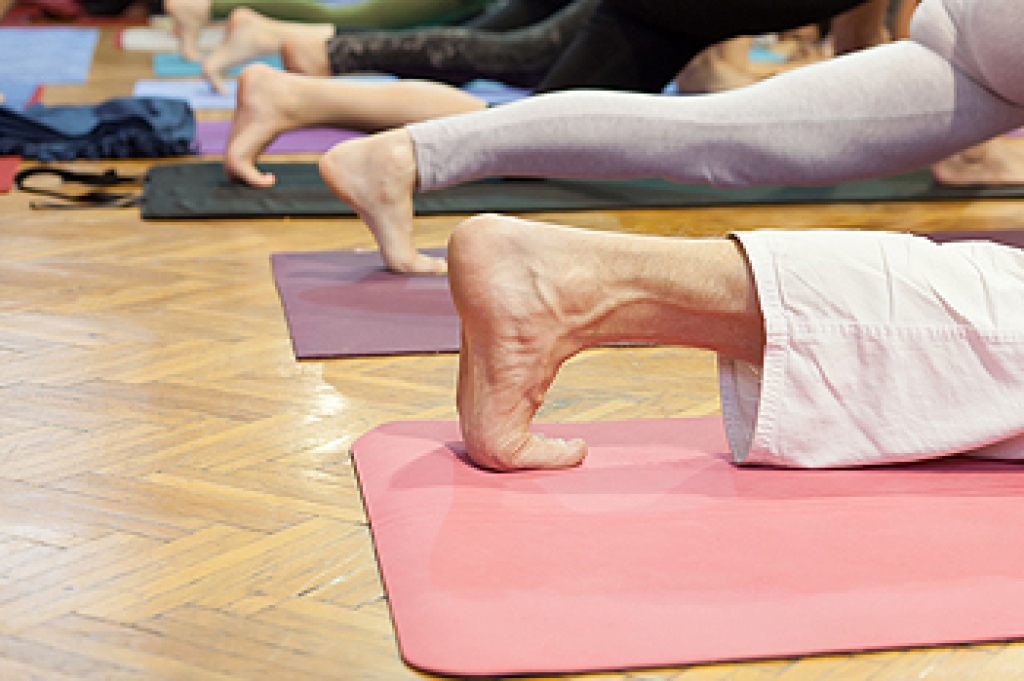
Many people suffer from sore feet at the end of the day. This can be a result of standing and walking for most of the day, or it may happen from wearing shoes that do not fit correctly. Many people overlook the health of the feet, and it is beneficial to frequently practice stretches that can enhance foot and body performance. Yoga poses can target the feet, and specific stretches can improve mobility and range of motion. The top of the feet can be stretched by performing a child's pose, and tension in the body is often released. The heel and Achilles tendon can be stretched by using a scarf that is wrapped around the feet. This is done while in a sitting position, and the feet are gently pulled toward you. The plantar fascia can be effectively stretched while kneeling back on the toes. As this is done, the bottom of the foot generally feels the complete stretch. If you would like additional information about the benefits of stretching the feet through yoga poses, please consult with a podiatrist who can determine which stretches are best for you.

Stretching the feet is a great way to prevent injuries. If you have any concerns with your feet consult with Dr. Jeff Brooks from Oceanside Foot & Ankle Center. Our doctor will assess your condition and provide you with quality foot and ankle treatment.

Stretching the Feet

Stretching the muscles in the foot is an important part in any physical activity. Feet that are tight can lead to less flexibility and make you more prone to injury. One of the most common forms of foot pain, plantar fasciitis, can be stretched out to help ease the pain. Stretching can not only ease pain from plantar fasciitis but also prevent it as well. However, it is important to see a podiatrist first if stretching is right for you. Podiatrists can also recommend other ways to stretch your feet. Once you know whether stretching is right for you, here are some excellent stretches you can do.

  • Using a foam roller or any cylindrical object (a water bottle or soda can will do), roll the object under your foot back and forth. You should also exert pressure on the object. Be sure to do this to both feet for a minute. Do this exercise three times each.
  • Similar to the previous one, take a ball, such as a tennis ball, and roll it under your foot while seated and exert pressure on it.
  • Grab a resistance band or towel and take a seat. If you are using a towel, fold it length wise. Next put either one between the ball of your foot and heel and pull with both hands on each side towards you. Hold this for 15 seconds and then switch feet. Do this three times for each foot.
  • Finally hold your big toe while crossing one leg over the other. Pull the toe towards you and hold for 15 seconds. Once again do this three times per foot.

It is best to go easy when first stretching your foot and work your way up. If your foot starts hurting, stop exercising and ice and rest the foot. It is advised to then see a podiatrist for help.

If you have any questions please contact our office located in Oceanside, CA . We offer the newest diagnostic and treatment technologies for all your foot and ankle needs.

Read more about How to Stretch Your Feet
scroll to top