In-home visits and Telehealth appointments available. Call/text us to schedule.

Walking on Uneven Surfaces While Hiking May Cause Blisters

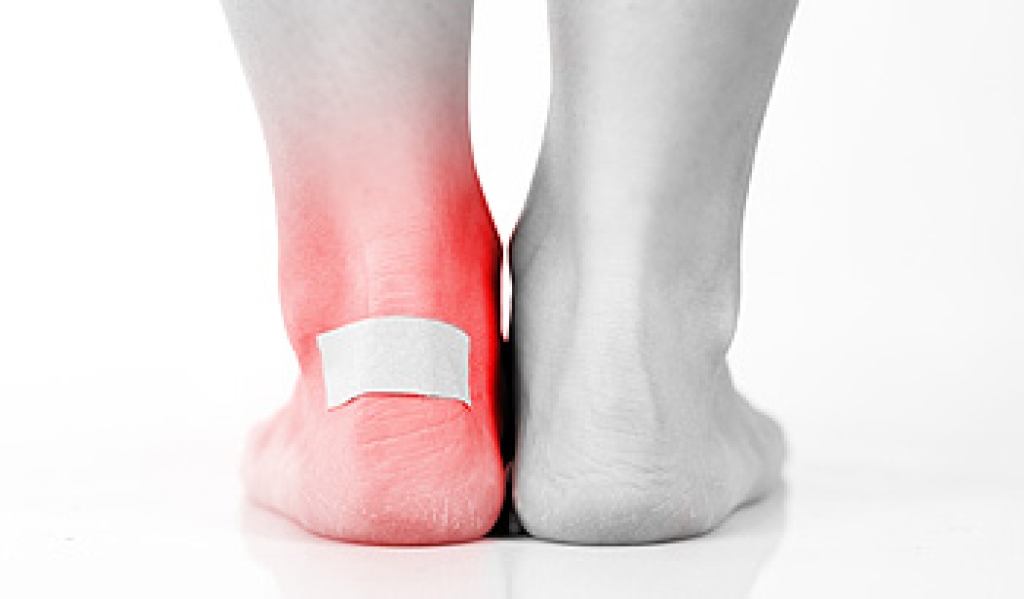
Many people enjoy hiking. Blisters can develop as a result of the miles that are walked on uneven surfaces, and they can be uncomfortable. Excessive friction is a reason blisters can form, which can be caused by wearing shoes and socks that do not fit correctly. A blister is defined as the body’s natural ability to heal damaged skin. A small bubble that is filled with protective fluid forms over the affected area, and will gradually drain as new skin forms. Research has indicated the importance of properly caring for your feet before beginning a hike. These methods can include treating an existing foot fungus, walking barefoot to toughen the skin, and keeping the toenails trimmed. If a blister develops, it can help to protect it with an elastic bandage while hiking is pursued. If you would like additional information about blisters, or if you have a blister that has become infected, please consult with a podiatrist.

Blisters are prone to making everyday activities extremely uncomfortable. If your feet are hurting, contact Dr. Jeff Brooks of Oceanside Foot & Ankle Center. Our doctor can provide the care you need to keep you pain-free and on your feet.

Foot Blisters

Foot blisters develop as a result of constantly wearing tight or ill-fitting footwear. This happens due to the constant rubbing from the shoe, which can often lead to pain.

What Are Foot Blisters?

A foot blister is a small fluid-filled pocket that forms on the upper-most layer of the skin. Blisters are filled with clear fluid and can lead to blood drainage or pus if the area becomes infected.

How Do Blisters Form?

Blisters on the feet are often the result of constant friction of skin and material, usually by shoe rubbing. Walking in sandals, boots, or shoes that don’t fit properly for long periods of time can result in a blister. Having consistent foot moisture and humidity can easily lead to blister formation.

Prevention & Treatment

It is important to properly care for the affected area in order to prevent infection and ease the pain. Do not lance the blister and use a Band-Aid to provide pain relief. Also, be sure to keep your feet dry and wear proper fitting shoes. If you see blood or pus in a blister, seek assistance from a podiatrist.

If you have any questions, please feel free to contact our office located in Oceanside, CA . We offer the newest diagnostic and treatment technologies for all your foot care needs.

Read more about Blisters

Are You Suffering From Ingrown Toenails?

If left untreated, an ingrown toenail can lead to more serious concerns, such as an infection. Knowing proper nail care can help in the prevention of an ingrown toenail. Give us a call, and get treated!

Two Types Of Heel Spurs

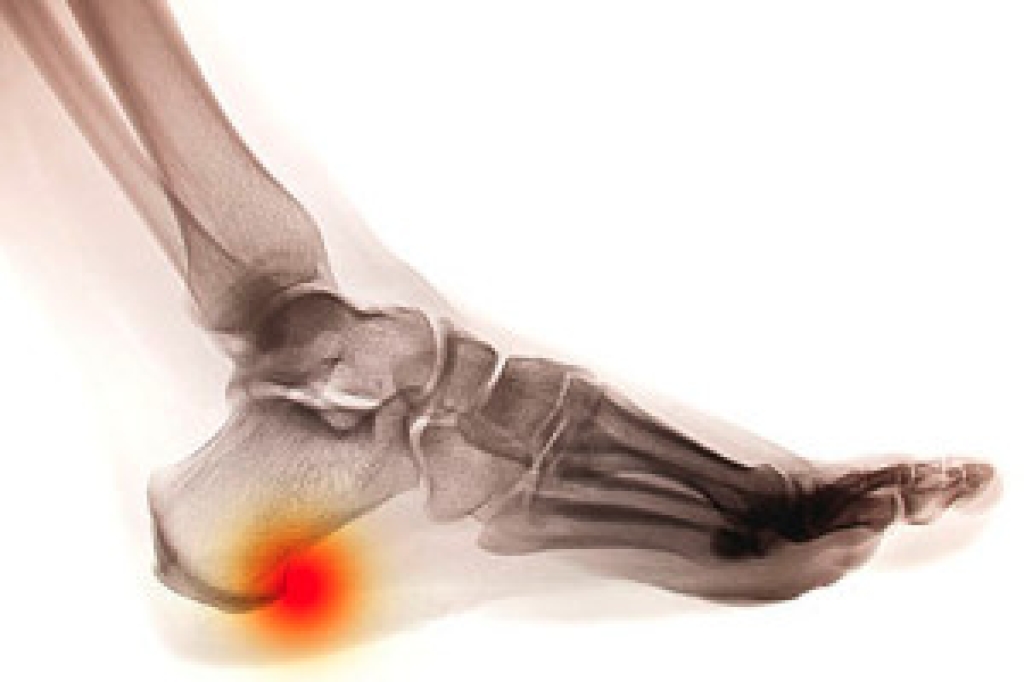
Patients who have developed a bone spur are often aware of the pain and discomfort it can cause. Heel spurs that develop on the bottom of the heel is classified as heel spur syndrome. When a bone spur forms at the back of the heel at the point where the Achilles tendon fits into the bone, it is known as insertional Achilles tendonitis. Heel spurs can develop as a result of frequently participating in running and jumping activities that can overstretch the plantar fascia. Limited range of motion can occur with Achilles tendonitis, and it may be more common among patients who are middle-age. If you have pain in your heel, it is strongly suggested that you consult with a podiatrist who can diagnose heel spurs, and offer the correct treatment for you.

Heel spurs can be incredibly painful and sometimes may make you unable to participate in physical activities. To get medical care for your heel spurs, contact Dr. Jeff Brooks from Oceanside Foot & Ankle Center. Our doctor will do everything possible to treat your condition.

Heels Spurs

Heel spurs are formed by calcium deposits on the back of the foot where the heel is. This can also be caused by small fragments of bone breaking off one section of the foot, attaching onto the back of the foot. Heel spurs can also be bone growth on the back of the foot and may grow in the direction of the arch of the foot.

Older individuals usually suffer from heel spurs and pain sometimes intensifies with age. One of the main condition's spurs are related to is plantar fasciitis.

Pain

The pain associated with spurs is often because of weight placed on the feet. When someone is walking, their entire weight is concentrated on the feet. Bone spurs then have the tendency to affect other bones and tissues around the foot. As the pain continues, the feet will become tender and sensitive over time.

Treatments

There are many ways to treat heel spurs. If one is suffering from heel spurs in conjunction with pain, there are several methods for healing. Medication, surgery, and herbal care are some options.

If you have any questions, please feel free to contact our office located in Oceanside, CA . We offer the newest diagnostic and treatment technologies for all your foot care needs.
Read more about How to Treat Heel Spurs

Reminder: When Was the Last Time...?

Custom orthotics, or shoe inserts, should be periodically replaced. Orthotics must fit properly to give you the best results. Protect your feet and ankles!

Potential Consequences of Wearing High Heels

While high heels are often uncomfortable, they can also cause harmful foot problems for frequent wearers. To start, high heels can cause cosmetic issues, such as bunions or hammertoes. High heels can lead to tendonitis by straining the ankle and tendons as well. High heels also lead to overuse of the natural cushioning on the foot, causing it to diminish over time. Some ways to mitigate the effects of high heels include massaging and stretching the legs after use, alternating heel heights, and wearing heels in moderation. A podiatrist will be able to help diagnose and treat any issues that a person has endured due to high heels. For further information about preventing injuries while wearing high heels, please consult with a podiatrist.

High heels have a history of causing foot and ankle problems. If you have any concerns about your feet or ankles, contact Dr. Jeff Brooks from Oceanside Foot & Ankle Center. Our doctor can provide the care you need to keep you pain-free and on your feet.

Effects of High Heels on the Feet

High heels are popular shoes among women because of their many styles and societal appeal.  Despite this, high heels can still cause many health problems if worn too frequently.

Which Parts of My Body Will Be Affected by High Heels?

  • Ankle Joints
  • Achilles Tendon – May shorten and stiffen with prolonged wear
  • Balls of the Feet
  • Knees – Heels cause the knees to bend constantly, creating stress on them
  • Back – They decrease the spine’s ability to absorb shock, which may lead to back pain.  The vertebrae of the lower back may compress.

What Kinds of Foot Problems Can Develop from Wearing High Heels?

  • Corns
  • Calluses
  • Hammertoe
  • Bunions
  • Morton’s Neuroma
  • Plantar Fasciitis

How Can I Still Wear High Heels and Maintain Foot Health?

If you want to wear high heeled shoes, make sure that you are not wearing them every day, as this will help prevent long term physical problems.  Try wearing thicker heels as opposed to stilettos to distribute weight more evenly across the feet.  Always make sure you are wearing the proper shoes for the right occasion, such as sneakers for exercising.  If you walk to work, try carrying your heels with you and changing into them once you arrive at work.  Adding inserts to your heels can help cushion your feet and absorb shock. Full foot inserts or metatarsal pads are available. 

If you have any questions, please feel free to contact our office located in Oceanside, CA . We offer the newest diagnostic and treatment technologies for all your foot care needs.

Read more about Effect of High Heels on the Feet
scroll to top