
If left untreated, an ingrown toenail can lead to more serious concerns, such as an infection. Knowing proper nail care can help in the prevention of an ingrown toenail. Give us a call, and get treated!
If left untreated, an ingrown toenail can lead to more serious concerns, such as an infection. Knowing proper nail care can help in the prevention of an ingrown toenail. Give us a call, and get treated!
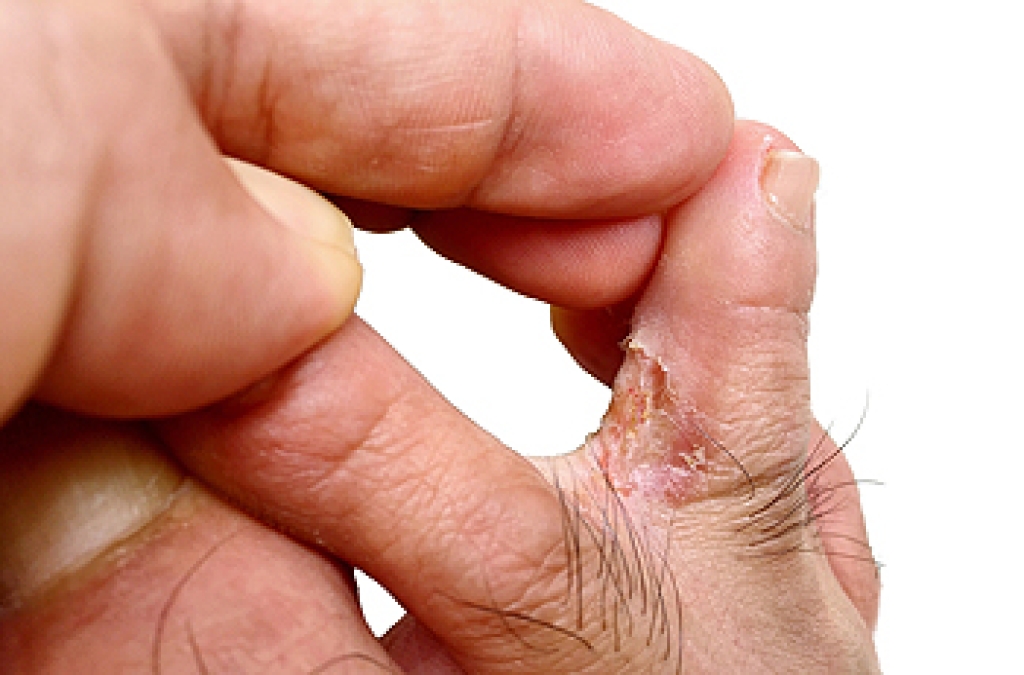
Tinea pedis, commonly called athlete’s foot, is a fungal infection that affects the skin on the feet and between the toes. The condition often develops in warm, damp environments where fungus grows easily, such as sweaty shoes, locker rooms, or around public pool areas. Many people notice peeling skin, itching, redness, cracking, or a burning sensation that becomes worse over time. In some cases, the skin may blister or develop an unpleasant odor. Although athlete’s foot can seem minor at first, untreated infections may spread to the toenails or other parts of the foot, and become more difficult to manage. A podiatrist can identify the infection, rule out other skin conditions that appear similar, and recommend treatment designed to stop the fungus and relieve irritation. Early care may also help prevent recurring infections and skin breakdown. If you continue to experience itching, peeling, or irritation on the feet, it is suggested that you visit a podiatrist for a diagnosis and appropriate treatment.
Athlete’s Foot
Athlete’s foot is often an uncomfortable condition to experience. Thankfully, podiatrists specialize in treating athlete’s foot and offer the best treatment options. If you have any questions about athlete’s foot, consult with Dr. Jeff Brooks from Oceanside Foot & Ankle Center. Our doctor will assess your condition and provide you with quality treatment.
What Is Athlete’s Foot?
Tinea pedis, more commonly known as athlete’s foot, is a non-serious and common fungal infection of the foot. Athlete’s foot is contagious and can be contracted by touching someone who has it or infected surfaces. The most common places contaminated by it are public showers, locker rooms, and swimming pools. Once contracted, it grows on feet that are left inside moist, dark, and warm shoes and socks.
Prevention
The most effective ways to prevent athlete’s foot include:
Symptoms
Athlete’s foot initially occurs as a rash between the toes. However, if left undiagnosed, it can spread to the sides and bottom of the feet, toenails, and if touched by hand, the hands themselves. Symptoms include:
Diagnosis and Treatment
Diagnosis is quick and easy. Skin samples will be taken and either viewed under a microscope or sent to a lab for testing. Sometimes, a podiatrist can diagnose it based on simply looking at it. Once confirmed, treatment options include oral and topical antifungal medications.
If you have any questions, please feel free to contact our offices located in Oceanside and Temecula, CA . We offer the newest diagnostic and treatment technologies for all your foot care needs.

Custom orthotics, or shoe inserts, should be periodically replaced. Orthotics must fit properly to give you the best results. Protect your feet and ankles!
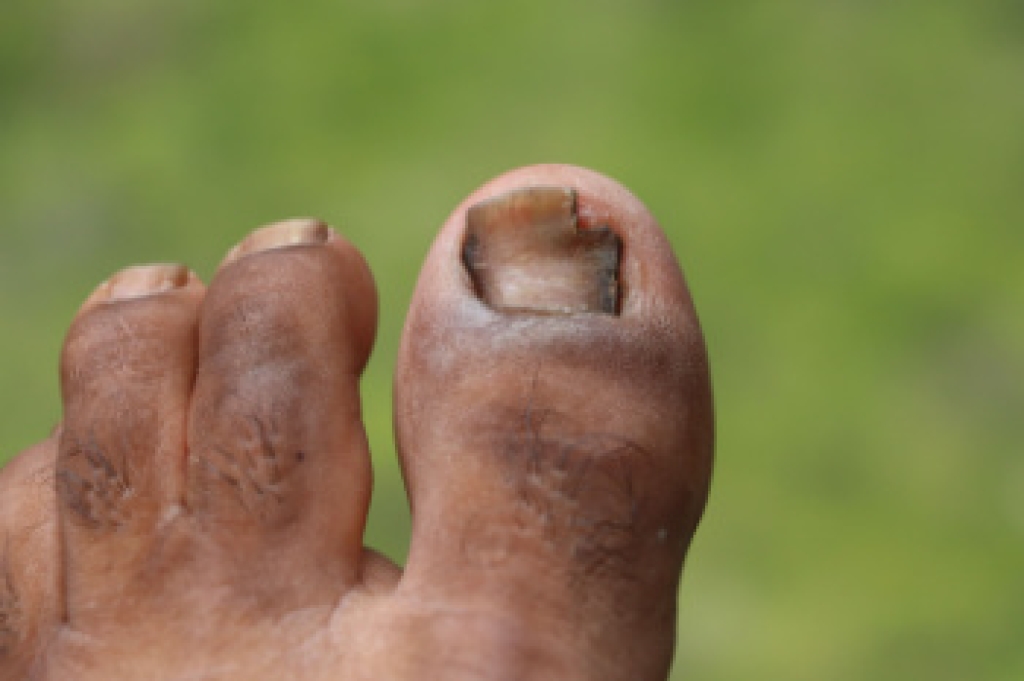
A detached toenail can occur from direct injury, fungal infections, psoriasis, or complications related to diabetes. Once a toenail separates from the nail bed, it cannot be reattached and must be allowed to grow out naturally as a new nail forms. Risk factors include repetitive trauma, wearing tight footwear, poor circulation, and underlying skin or metabolic conditions. Symptoms include pain, discoloration, thickening, or complete nail lifting. A podiatrist can evaluate the cause, safely manage the affected nail, help prevent infection, and support healthy regrowth with proper care. They can also help address underlying conditions that contribute to nail problems. If your toenail has fallen off, it is suggested that you consult a podiatrist who can determine the cause and guide you toward management tips as the new nail grows in.
Toe pain can disrupt your daily activities. If you have any concerns, contact Dr. Jeff Brooks of Oceanside Foot & Ankle Center. Our doctor can provide the care you need to keep you pain-free and on your feet.
What Causes Toe Pain?
Most severe toe pain is caused due to a sports injury, trauma from dropping something heavy on the toe, or bumping into something rigid. Other problems can develop over time for various reasons.
Toe pain can be caused by one or more ailments. The most common include:
When to See a Podiatrist
Diagnosis
In many cases the cause of toe pain is obvious, but in others, a podiatrist may want to use more advanced methods to determine the problem. These can range from simple visual inspections and sensation tests to X-rays and MRI scans. Prior medical history, family medical history, and any recent physical traumatic events will all be taken into consideration for a proper diagnosis.
Treatment
Treatments for toe pain and injuries vary and may include shoe inserts, padding, taping, medicines, injections, and in some cases, surgery. If you believe that you have broken a toe, please see a podiatrist as soon as possible.
If you have any questions please contact our offices located in Oceanside and Temecula, CA . We offer the newest diagnostic and treatment technologies for all your foot and ankle needs.

Suffering from this type of pain? You may have the foot condition known as Morton's neuroma. Morton's neuroma may develop as a result of ill-fitting footwear and existing foot deformities. We can help.
