
If you are suffering from tenderness, pain, or stiffness in the joints of your feet or ankles, call us to schedule an appointment.
If you are suffering from tenderness, pain, or stiffness in the joints of your feet or ankles, call us to schedule an appointment.

Lisfranc injuries result if bones in the midfoot are broken or ligaments that support the midfoot are torn. The midfoot is key to foot stability and arch support. Injuries can result from trauma, such as a fall, car accident, or sports injury, even something as simple as twisting the foot awkwardly. Although rare, Lisfranc injuries are often mistaken for a simple sprain. Symptoms include swelling, bruising on the top and bottom of the foot, pain while standing or walking, and difficulty bearing weight. The foot may appear misaligned or feel unstable. Left untreated, a Lisfranc injury can lead to chronic pain, arthritis, and long-term disability. A podiatrist can diagnose a Lisfranc injury through a physical exam and imaging tests like X-rays, MRI or CT scans. Treatment depends on severity and may include rest, immobilization with a cast or boot, targeted exercises, or surgical repair to realign and stabilize the bones. If you think you may have this condition, it is suggested that you schedule an appointment with a podiatrist for appropriate treatment.
A broken foot requires immediate medical attention and treatment. If you need your feet checked, contact Dr. Jeff Brooks from Oceanside Foot & Ankle Center. Our doctor can provide the care you need to keep you pain-free and on your feet.
Broken Foot Causes, Symptoms, and Treatment
A broken foot is caused by one of the bones in the foot typically breaking when bended, crushed, or stretched beyond its natural capabilities. Usually the location of the fracture indicates how the break occurred, whether it was through an object, fall, or any other type of injury.
Common Symptoms of Broken Feet:
Those that suspect they have a broken foot shoot seek urgent medical attention where a medical professional could diagnose the severity.
Treatment for broken bones varies depending on the cause, severity and location. Some will require the use of splints, casts or crutches while others could even involve surgery to repair the broken bones. Personal care includes the use of ice and keeping the foot stabilized and elevated.
If you have any questions, please feel free to contact our offices located in Oceanside and Temecula, CA . We offer the newest diagnostic and treatment technologies for all your foot care needs.

Gout is a painful, inflammatory form of arthritis. Those affected will typically feel an intense stiffness in the joints of their feet, particularly in the big toe. Schedule a visit to learn about how gout can be managed and treated.
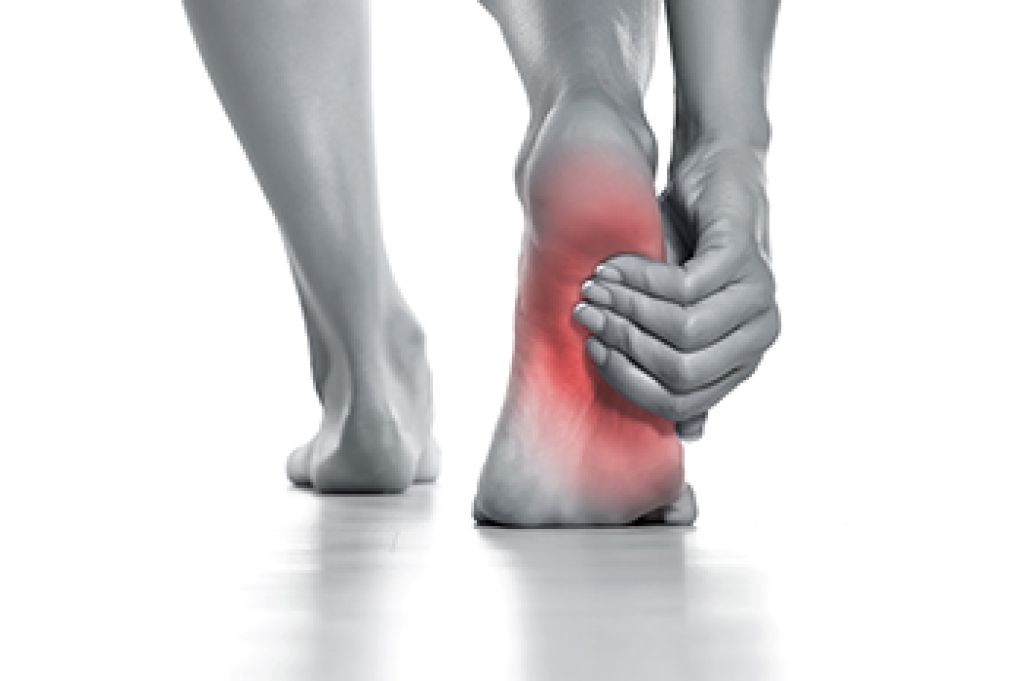
Heel pain is a frequent complaint that can make walking or standing difficult. One of the most common causes is plantar fasciitis, which involves irritation of the thick band of tissue along the bottom of the foot. Heel spurs, small bony growths, can also cause pain by pressing into soft tissue. Other causes include Achilles tendinopathy, bursitis, stress fractures, or nerve compression. Wearing poor footwear, flat feet, or sudden increases in activity often make symptoms worse. Pain may be sharp in the morning, dull by evening, or triggered by certain movements. Each cause requires a different approach to treatment, from rest and stretching to custom orthotics or medical care. Ignoring heel pain can lead to more serious problems, over time. If your heel pain is not improving, it is suggested you see a podiatrist for a diagnosis and appropriate treatment.
Many people suffer from bouts of heel pain. For more information, contact Dr. Jeff Brooks of Oceanside Foot & Ankle Center. Our doctor can provide the care you need to keep you pain-free and on your feet.
Causes of Heel Pain
Heel pain is often associated with plantar fasciitis. The plantar fascia is a band of tissues that extends along the bottom of the foot. A rip or tear in this ligament can cause inflammation of the tissue.
Achilles tendonitis is another cause of heel pain. Inflammation of the Achilles tendon will cause pain from fractures and muscle tearing. Lack of flexibility is also another symptom.
Heel spurs are another cause of pain. When the tissues of the plantar fascia undergo a great deal of stress, it can lead to ligament separation from the heel bone, causing heel spurs.
Why Might Heel Pain Occur?
Treatments
Heel pain should be treated as soon as possible for immediate results. Keeping your feet in a stress-free environment will help. If you suffer from Achilles tendonitis or plantar fasciitis, applying ice will reduce the swelling. Stretching before an exercise like running will help the muscles. Using all these tips will help make heel pain a condition of the past.
If you have any questions, please feel free to contact our offices located in Oceanside and Temecula, CA . We offer the newest diagnostic and treatment technologies for all your foot care needs.

Have you noticed a bony protrusion on the side of your big toe? If so, you may have developed the foot condition known as a bunion. Don't let bunions interfere with your daily activities.
