In-home visits and Telehealth appointments available. Call/text us to schedule.

Treatment Options for Ingrown Toenails

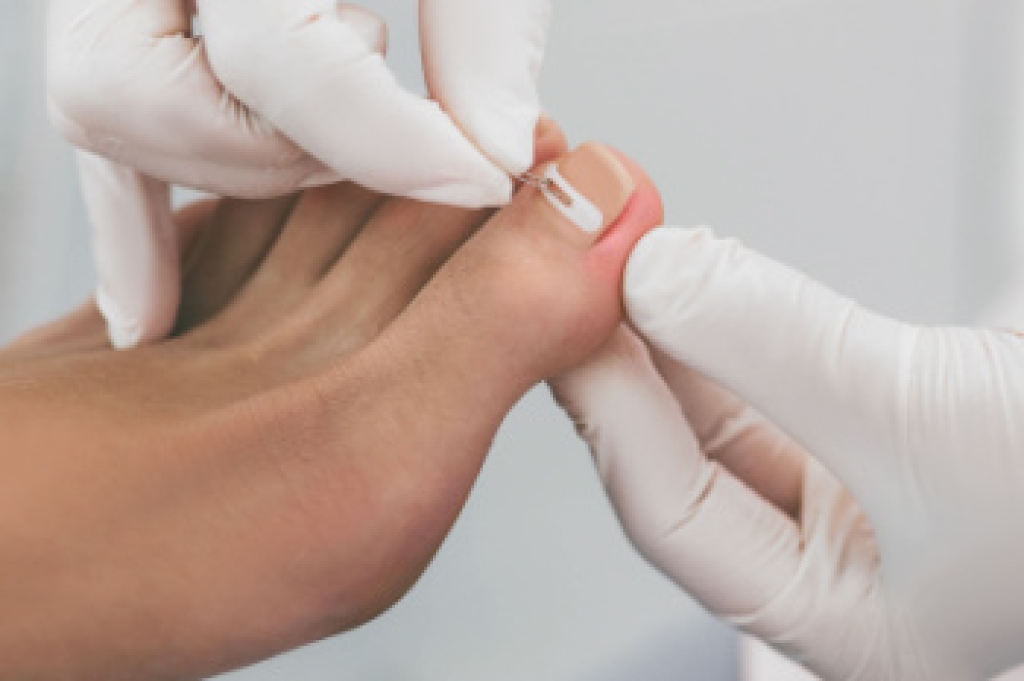
Ingrown toenails, where the nail grows into the surrounding skin, can be treated through both surgical and non-surgical methods. Non-surgical treatments include proper nail care, such as trimming the nail straight across and soaking the foot in warm water to reduce swelling. A podiatrist, or foot doctor, can also treat an ingrown toenail by gently lifting the offending nail edge to place cotton underneath, which helps guide the nail to grow outward. Wearing roomy and comfortable shoes also relieves pressure on the affected toe. For more persistent or severe cases, surgical options might be necessary. A common procedure performed by podiatrists is a partial nail avulsion, where the ingrown portion of the nail is surgically removed under local anesthesia. In cases where ingrown toenails recur frequently, a podiatrist might perform a matrixectomy, which involves removing a portion of the nail bed to prevent the problematic section of the nail from growing back. If you are suffering from an ingrown toenail, it is suggested that you consult a podiatrist for treatment options to alleviate pain and prevent recurrence. 

Ingrown toenails can become painful if they are not treated properly. For more information about ingrown toenails, contact Dr. Jeff Brooks of Oceanside Foot & Ankle Center. Our doctor can provide the care you need to keep you pain-free and on your feet.

Ingrown Toenails

Ingrown toenails occur when a toenail grows sideways into the bed of the nail, causing pain, swelling, and possibly infection.

Causes

  • Bacterial infections
  • Improper nail cutting such as cutting it too short or not straight across
  • Trauma to the toe, such as stubbing, which causes the nail to grow back irregularly
  • Ill-fitting shoes that bunch the toes too close together
  • Genetic predisposition

Prevention

Wearing proper fitting shoes and using proper cutting techniques will also help decrease your risk of developing ingrown toenails.

Treatment

Ingrown toenails are a very treatable foot condition. In minor cases, soaking the affected area in salt or antibacterial soaps will not only help with the ingrown nail itself, but also help prevent any infections from occurring. In more severe cases, surgery is an option. In either case, speaking to your podiatrist about this condition will help you get a better understanding of specific treatment options that are right for you.

If you have any questions, please feel free to contact our office located in Oceanside, CA . We offer the newest diagnostic and treatment technologies for all your foot care needs.

Read more about Ingrown Toenails

It's Time for Beautiful Feet

You don't need an excuse to have beautiful nails. Step outside without worrying about the appearance of your feet.

Three Types of Corns on the Feet

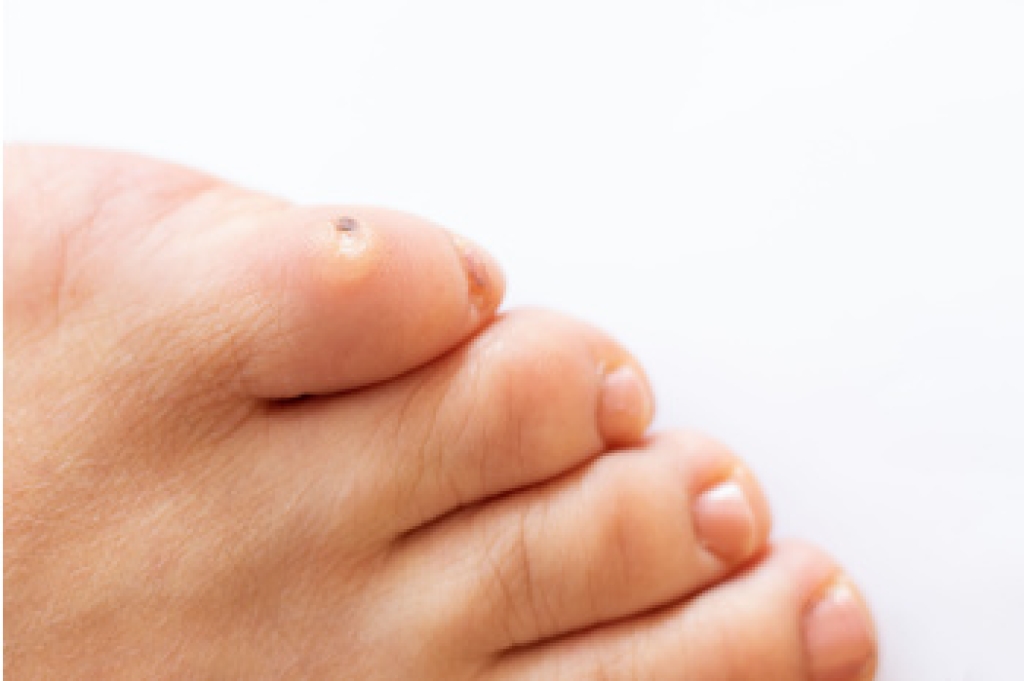
Corns are identified as patches of thickened skin and are a common foot problem that can cause discomfort and pain if left untreated. Understanding different types of corns can help in effectively managing and preventing them. Hard corns, the most prevalent type, typically develop on the tops and sides of toes or weight-bearing areas of the foot. These corns are compact and dense, often caused by friction or pressure from wearing ill-fitting shoes or repetitive motion. Conversely, soft corns tend to form between toes where sweat and moisture accumulate. These corns are softer in texture and can be more painful due to increased moisture levels. Finally, seed corns are tiny, discrete corns that often appear on the bottom of the foot. They are generally painless but can cause discomfort when walking. If you have a corn on your foot, it is suggested that you consult a podiatrist who can identify which type it is, and offer you correct treatment solutions.

If you have any concerns regarding your feet and ankles, contact Dr. Jeff Brooks of Oceanside Foot & Ankle Center. Our doctor will treat your foot and ankle needs.

Corns: What Are They? and How Do You Get Rid of Them?
Corns can be described as areas of the skin that have thickened to the point of becoming painful or irritating. They are often layers and layers of the skin that have become dry and rough, and are normally smaller than calluses.

Ways to Prevent Corns
There are many ways to get rid of painful corns such as wearing:

  • Well-fitting socks
  • Comfortable shoes that are not tight around your foot
  • Shoes that offer support

Treating Corns
Treatment of corns involves removing the dead skin that has built up in the specific area of the foot. Consult with Our doctor to determine the best treatment option for your case of corns.

If you have any questions, please feel free to contact our office located in Oceanside, CA . We offer the newest diagnostic and treatment technologies for all your foot care needs.
Read more about Corns and Calluses

Heel Pain Can Be Treated!

Do you suffer from heel pain when you get up in the morning? If so, you should seek professional help and have a proper diagnosis performed. Heel pain can be caused by several different foot-related conditions.

Deformities From Bunions

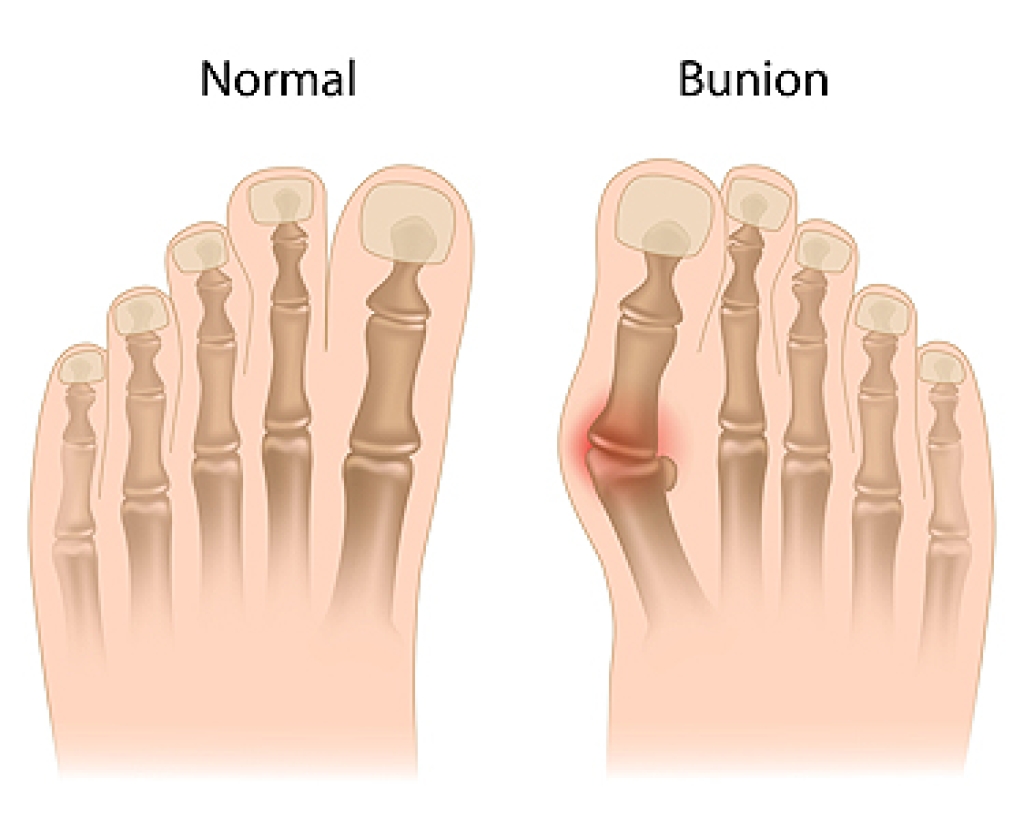
The human foot is a marvel of engineering, composed of an intricate network of bones, tendons, and ligaments that work in tandem to provide stability and mobility. At the center of this complex structure lies the big toe, also known as the hallux, which plays a vital role in maintaining balance and facilitating movement. However, when the alignment of the bones in the big toe is disrupted, a bunion can form at the base of the big toe. This can lead to a further deformity, known as metatarsus primus varus. It results from an abnormal inward angling of the big toe towards the second toe. This misalignment can result in a range of symptoms, including pain, discomfort, and difficulty walking or standing for extended periods of time. While the exact cause of metatarsus primus varus is not fully understood, it is believed to be influenced by both genetic factors and external triggers, such as wearing ill-fitting footwear. People with metatarsus primus varus may experience a variety of symptoms, including pain and discomfort in the foot, restricted range of motion, and skin irritation. Diagnosing metatarsus primus varus typically involves a physical examination and imaging tests such as X-rays. Treatment options may vary depending on the severity of the condition and can include orthotics or surgical intervention to realign the bones and restore normal foot function. For help with managing this deformity, it is suggested that you schedule an appointment with a podiatrist.

If you are suffering from bunions, contact Dr. Jeff Brooks of Oceanside Foot & Ankle Center. Our doctor can provide the care you need to keep you pain-free and on your feet.

What Is a Bunion?

A bunion is formed of swollen tissue or an enlargement of boney growth, usually located at the base joint of the toe that connects to the foot. The swelling occurs due to the bones in the big toe shifting inward, which impacts the other toes of the foot. This causes the area around the base of the big toe to become inflamed and painful.

Why Do Bunions Form?

Genetics – Susceptibility to bunions are often hereditary

Stress on the feet – Poorly fitted and uncomfortable footwear that places stress on feet, such as heels, can worsen existing bunions

How Are Bunions Diagnosed?

Podiatrists often perform two tests – blood tests and x-rays – when trying to diagnose bunions, especially in the early stages of development. Blood tests help determine if the foot pain is being caused by something else, such as arthritis, while x-rays provide a clear picture of your bone structure to your provider.

How Are Bunions Treated?

  • Refrain from wearing heels or similar shoes that cause discomfort
  • Select wider shoes that can provide more comfort and reduce pain
  • Anti-inflammatory and pain management drugs
  • Orthotics or foot inserts
  • Surgery

If you have any questions, please feel free to contact our office located in Oceanside, CA . We offer the newest diagnostic and treatment technologies for all your foot care needs.

Read more about Bunions
scroll to top