
Plantar warts are small growths that develop on parts of the feet that bear weight. They're typically found on the bottom of the foot. Don't live with plantar warts, and call us today!
Plantar warts are small growths that develop on parts of the feet that bear weight. They're typically found on the bottom of the foot. Don't live with plantar warts, and call us today!
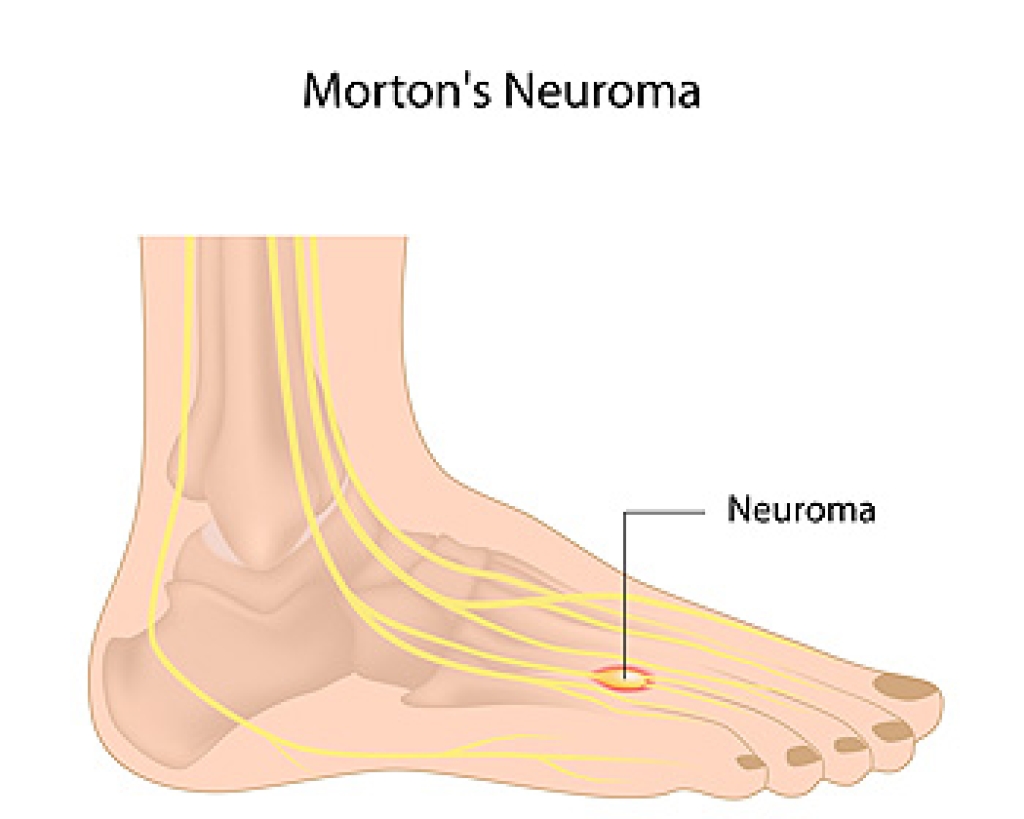 When a nerve swells and becomes inflamed, it is known as a neuroma. Morton's neuroma occurs when this swelling and inflammation affects the nerve between the metatarsal bones of the third and fourth toes. When the nerves get trapped between these bones, pain usually occurs in the ball of the foot or the toes. Pain may become worse if tight fitting shoes are worn, such as high heels. Other symptoms include a burning, stabbing, or shooting pain, the feeling of a small stone stuck under the foot, or a tingling, numb feeling in the foot. Patients who are struggling with pain in the foot and believe it’s due to Morton's neuroma should consult with a podiatrist for proper diagnosis and treatment.
Morton’s neuroma is a very uncomfortable condition to live with. If you think you have Morton’s neuroma, contact Dr. Jeff Brooks of Oceanside Foot & Ankle Center. Our doctor will attend to all of your foot care needs and answer any of your related questions.
Morton’s Neuroma
Morton's neuroma is a painful foot condition that commonly affects the areas between the second and third or third and fourth toe, although other areas of the foot are also susceptible. Morton’s neuroma is caused by an inflamed nerve in the foot that is being squeezed and aggravated by surrounding bones.
What Increases the Chances of Having Morton’s Neuroma?
Morton’s neuroma is a very treatable condition. Orthotics and shoe inserts can often be used to alleviate the pain on the forefront of the feet. In more severe cases, corticosteroids can also be prescribed. In order to figure out the best treatment for your neuroma, it’s recommended to seek the care of a podiatrist who can diagnose your condition and provide different treatment options.
If you have any questions, please feel free to contact our offices located in Oceanside and Temecula, CA . We offer the newest diagnostic and treatment technologies for all your foot care needs.

If you are suffering from tenderness, pain, or stiffness in the joints of your feet or ankles, call us to schedule an appointment.
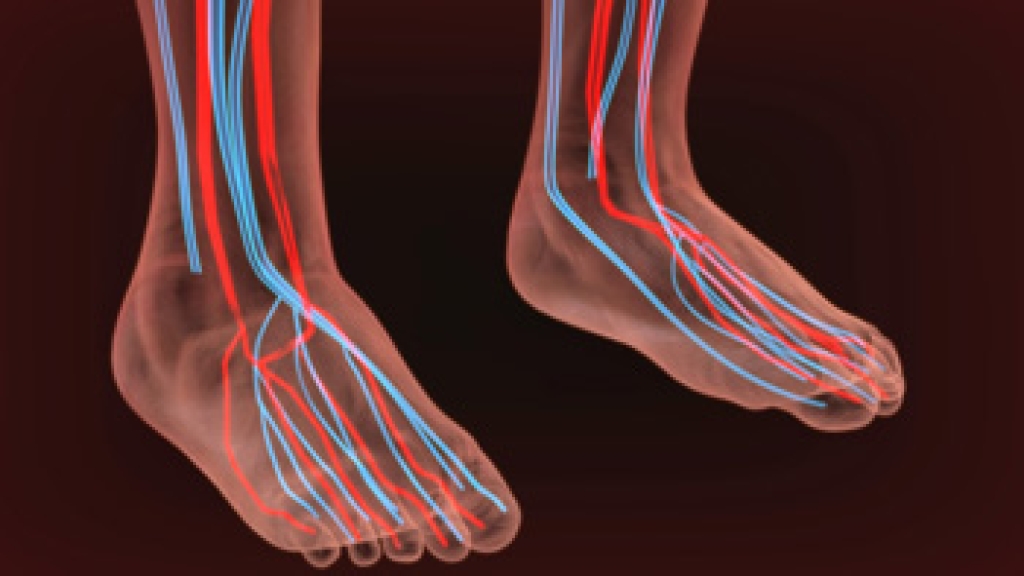
Peripheral artery disease or “PAD”, is a medical condition in which there is inadequate blood flow to the lower limbs due to a buildup of plaque in the arteries. Plaque is a fatty substance that clings to the walls of the arteries, making them narrow and harden. PAD is fairly common, affecting 20% of people over the age of 65, and can lead to serious complications if left undetected. However, many people who have PAD have no symptoms. Those that do have symptoms may notice an increase in leg pain, fatigue, and cramps while walking or exercising, numbness, achiness, or heaviness in the legs, skin discoloration, poor nail and hair growth, and the development of poorly healing wounds on the legs and feet. If you are over the age of 65, have diabetes, have high blood pressure, high cholesterol, or a history of heart disease, stroke, or metabolic syndrome, then you are at an increased risk for PAD. A podiatrist can help diagnose this condition and offer treatment options that will reduce foot and ankle pain and restore mobility.
Peripheral artery disease can pose a serious risk to your health. It can increase the risk of stroke and heart attack. If you have symptoms of peripheral artery disease, consult with Dr. Jeff Brooks from Oceanside Foot & Ankle Center. Our doctor will assess your condition and provide you with quality foot and ankle treatment.
Peripheral artery disease (PAD) is when arteries are constricted due to plaque (fatty deposits) build-up. This results in less blood flow to the legs and other extremities. The main cause of PAD is atherosclerosis, in which plaque builds up in the arteries.
Symptoms
Symptoms of PAD include:
It is important to note that a majority of individuals never show any symptoms of PAD.
Diagnosis
While PAD occurs in the legs and arteries, Podiatrists can diagnose PAD. Podiatrists utilize a test called an ankle-brachial index (ABI). An ABI test compares blood pressure in your arm to you ankle to see if any abnormality occurs. Ultrasound and imaging devices may also be used.
Treatment
Fortunately, lifestyle changes such as maintaining a healthy diet, exercising, managing cholesterol and blood sugar levels, and quitting smoking, can all treat PAD. Medications that prevent clots from occurring can be prescribed. Finally, in some cases, surgery may be recommended.
If you have any questions, please feel free to contact our offices located in Oceanside and Temecula, CA . We offer the newest diagnostic and treatment technologies for all your foot care needs.

Gout is a painful, inflammatory form of arthritis. Those affected will typically feel an intense stiffness in the joints of their feet, particularly in the big toe. Schedule a visit to learn about how gout can be managed and treated.
