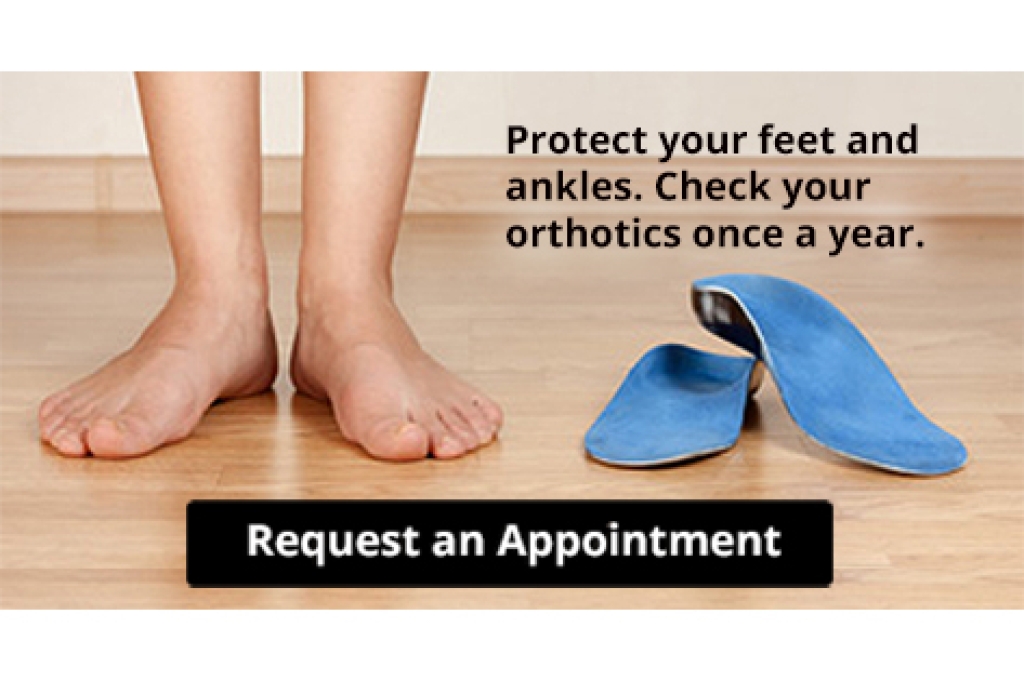
Custom orthotics, or shoe inserts, should be periodically replaced. Orthotics must fit properly to give you the best results. Protect your feet and ankles!
Custom orthotics, or shoe inserts, should be periodically replaced. Orthotics must fit properly to give you the best results. Protect your feet and ankles!
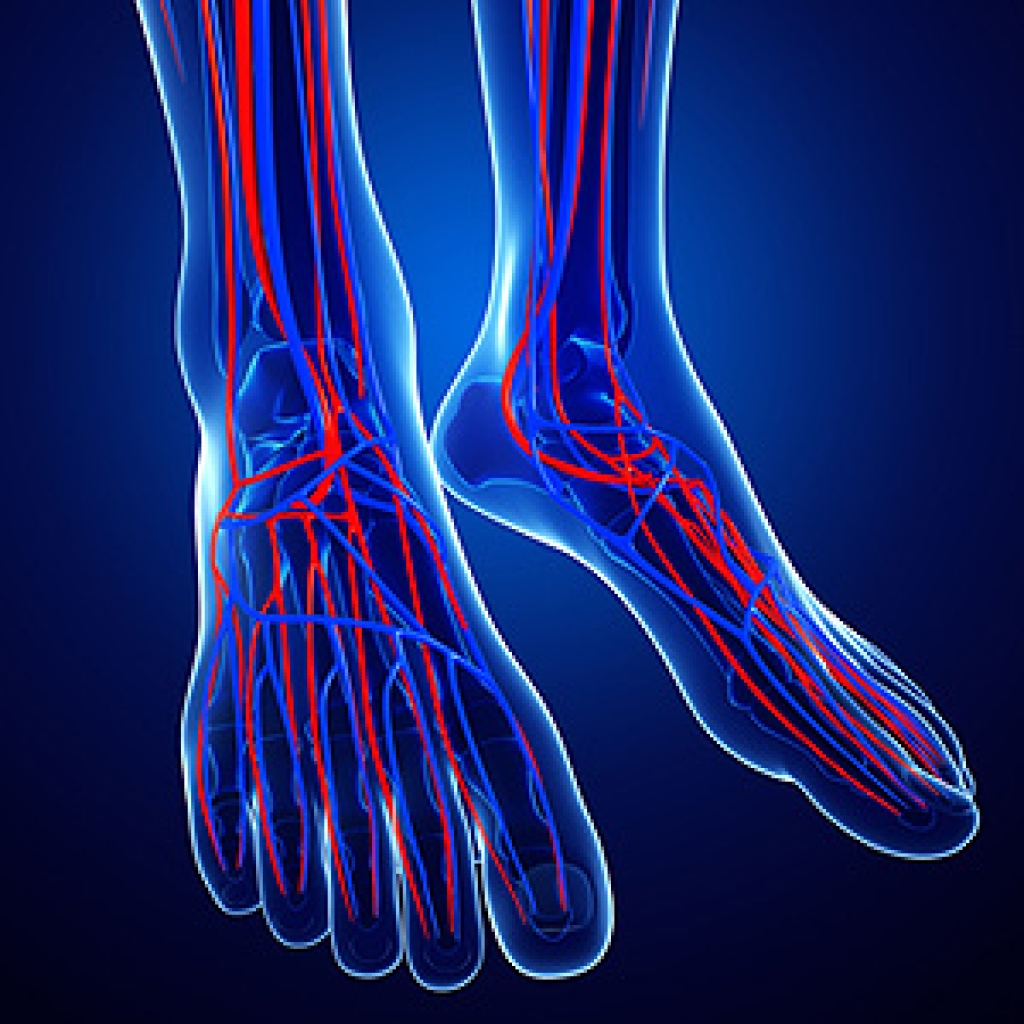 Peripheral neuropathy is a condition that affects the nerves in the peripheral nervous system. The nerves become damaged and as a result, this type of neuropathy develops. The symptoms that accompany neuropathy include numbness, tingling or a burning sensation and will most often affect the feet. Additional symptoms may include a loss of balance and it’s common to experience weakness. There are several causes that may promote the onset of this ailment, including a vitamin deficiency, kidney failure, shingles, or alcoholism. Additionally, this condition may be the result of certain chemotherapy drugs that are taken. It’s important to have a correct diagnosis performed so the proper medication can be taken to alleviate the symptoms. It is suggested to consult with a podiatrist if your feet are affected by neuropathy.
Peripheral artery disease can pose a serious risk to your health. It can increase the risk of stroke and heart attack. If you have symptoms of peripheral artery disease, consult with Dr. Jeff Brooks from Oceanside Foot & Ankle Center. Our doctor will assess your condition and provide you with quality foot and ankle treatment.
Peripheral artery disease (PAD) is when arteries are constricted due to plaque (fatty deposits) build-up. This results in less blood flow to the legs and other extremities. The main cause of PAD is atherosclerosis, in which plaque builds up in the arteries.
Symptoms
Symptoms of PAD include:
It is important to note that a majority of individuals never show any symptoms of PAD.
Diagnosis
While PAD occurs in the legs and arteries, Podiatrists can diagnose PAD. Podiatrists utilize a test called an ankle-brachial index (ABI). An ABI test compares blood pressure in your arm to you ankle to see if any abnormality occurs. Ultrasound and imaging devices may also be used.
Treatment
Fortunately, lifestyle changes such as maintaining a healthy diet, exercising, managing cholesterol and blood sugar levels, and quitting smoking, can all treat PAD. Medications that prevent clots from occurring can be prescribed. Finally, in some cases, surgery may be recommended.
If you have any questions, please feel free to contact our offices located in Oceanside and Temecula, CA . We offer the newest diagnostic and treatment technologies for all your foot care needs.
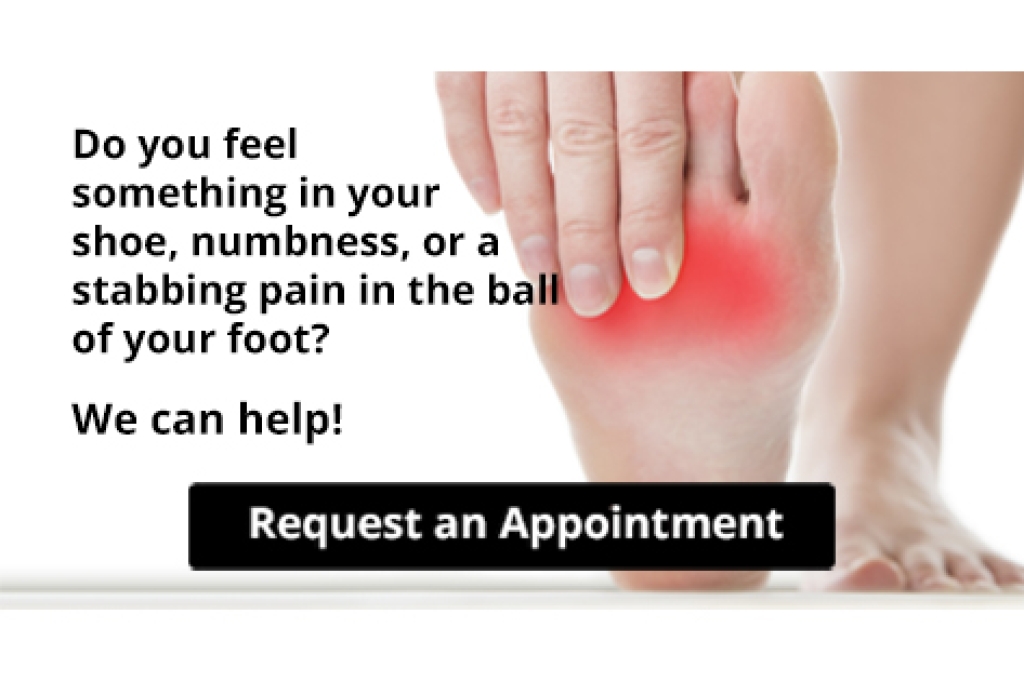
Suffering from this type of pain? You may have the foot condition known as Morton's neuroma. Morton's neuroma may develop as a result of ill-fitting footwear and existing foot deformities. We can help.
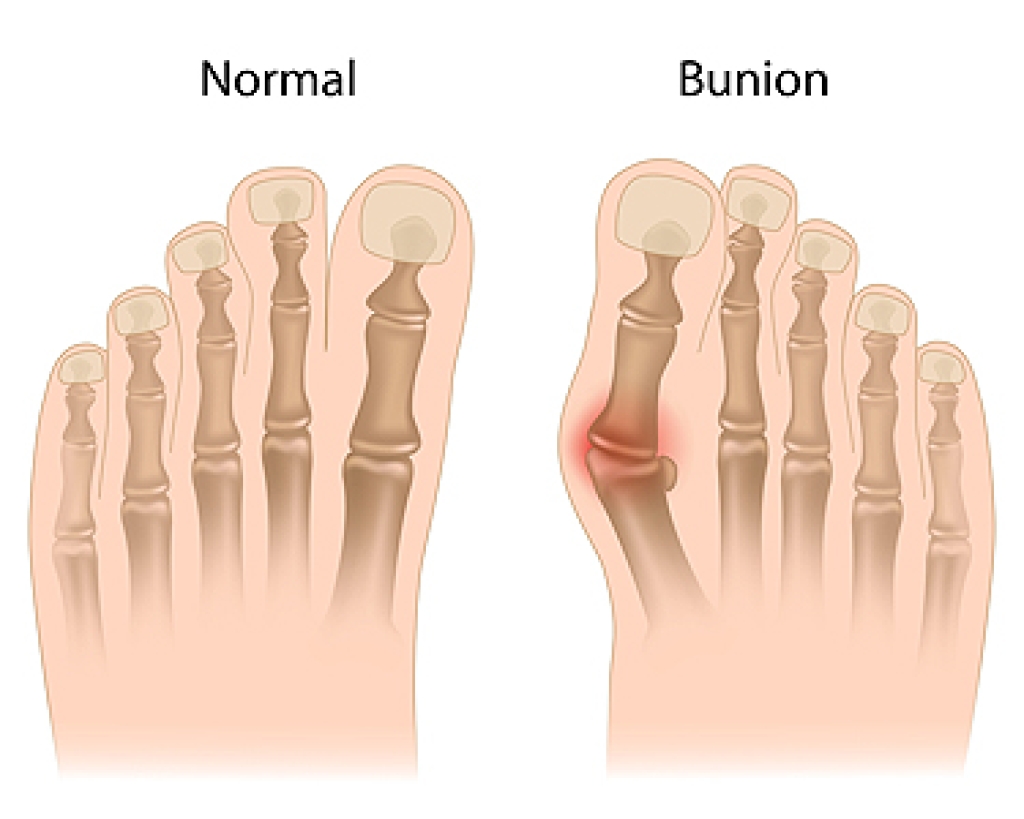 A bony protrusion that forms on the side of the foot is referred to as a bunion. It is a misalignment of the bone underneath the big toe, and can be worsened by wearing shoes that are too tight. This ailment can cause severe pain and unwanted corns and calluses may form as a result of the protrusion. There are several ways to obtain temporary relief, including wearing a cushioned pad over the affected area and choosing to wear shoes with adequate room to accommodate the bunion. Additionally, it will benefit the general health of the foot to lose weight if obesity is a factor. For severe bunions, surgery may be the only option for permanent removal and may take several months for a complete recovery. It’s suggested to consult with a podiatrist for additional information about bunions.
If you are suffering from bunion pain, contact Dr. Jeff Brooks of Oceanside Foot & Ankle Center. Our doctor can provide the care you need to keep you pain-free and on your feet.
What Is a Bunion?
Bunions are painful bony bumps that usually develop on the inside of the foot at the joint of the big toe. As the deformity increases over time, it may become painful to walk and wear shoes. Women are more likely to exacerbate existing bunions since they often wear tight, narrow shoes that shift their toes together. Bunion pain can be relieved by wearing wider shoes with enough room for the toes.
Causes
Symptoms
In order to diagnose your bunion, your podiatrist may ask about your medical history, symptoms, and general health. Your doctor might also order an x-ray to take a closer look at your feet. Nonsurgical treatment options include orthotics, padding, icing, changes in footwear, and medication. If nonsurgical treatments don’t alleviate your bunion pain, surgery may be necessary.
If you have any questions, please feel free to contact our offices located in Oceanside and Temecula, CA . We offer the newest diagnostic and treatment technologies for all your foot care needs.
Have your child's feet been examined lately? Healthy feet are happy feet. If your child is complaining of foot pain, it may be a sign of underlying problems.
