In-home visits and Telehealth appointments available. Call/text us to schedule.

Several Forms of Ankle Pain

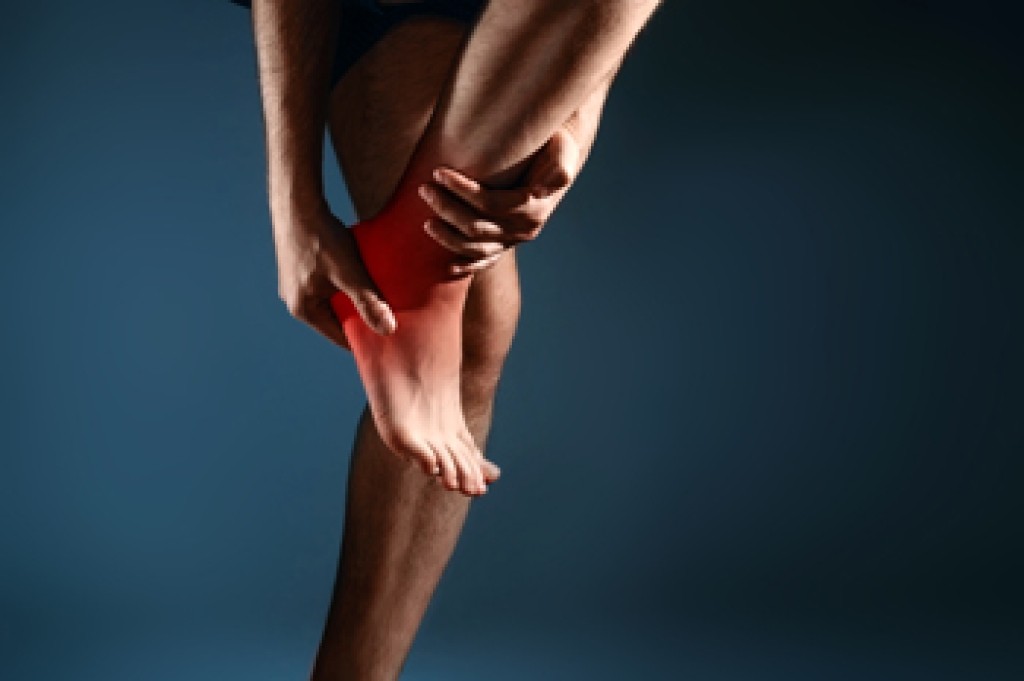
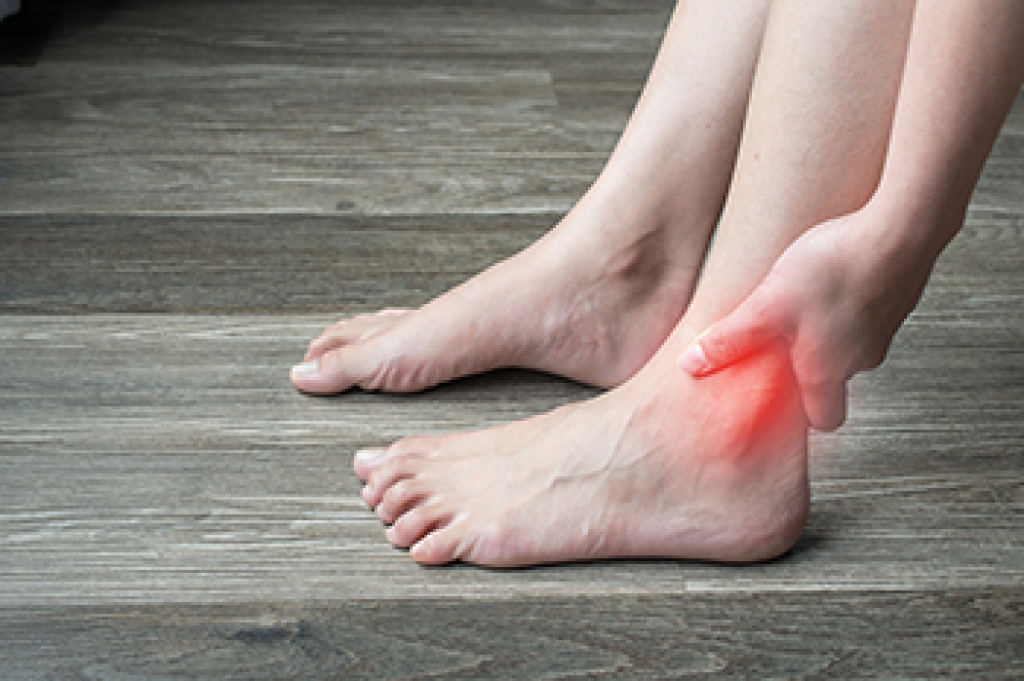
Ankle pain can be sharp or dull depending on the type of injury that has occurred. While some patients experience pain from ankle sprains or strains, ankle pain may stem from arthritis as well. An Achilles tendon injury can cause severe ankle pain, and this can happen due to an injury that overstretched this strong band of tissue that connects the calf muscle to the heel bone. Symptoms of a fractured ankle can include swelling surrounding the ankle, and it is often difficult to walk. Soft tissue damage can come from an ankle sprain or strain and can cause significant pain. Additionally, a medical condition known as gout can also cause ankle pain, and it is necessary to seek immediate treatment. If you have ankle pain for any reason, please consult with a podiatrist as quickly as possible so the correct treatment can begin.

Ankle pain can have many different causes and the pain may potentially be serious. If you have ankle pain, consult with Dr. Jeff Brooks from Oceanside Foot & Ankle Center. Our doctor will assess your condition and provide you with quality foot and ankle treatment.

Ankle pain is any condition that causes pain in the ankle. Due to the fact that the ankle consists of tendons, muscles, bones, and ligaments, ankle pain can come from a number of different conditions.

Causes

The most common causes of ankle pain include:

  • Types of arthritis (rheumatoid, osteoarthritis, and gout)
  • Ankle sprains
  • Broken ankles
  • Achilles tendinitis
  • Achilles tendon rupture
  • Stress fractures
  • Tarsal tunnel syndrome
  • Plantar fasciitis

Symptoms

Symptoms of ankle injury vary based upon the condition. Pain may include general pain and discomfort, swelling, aching, redness, bruising, burning or stabbing sensations, and/or loss of sensation.

Diagnosis

Due to the wide variety of potential causes of ankle pain, podiatrists will utilize a number of different methods to properly diagnose ankle pain. This can include asking for personal and family medical histories and of any recent injuries. Further diagnosis may include sensation tests, a physical examination, and potentially x-rays or other imaging tests.

Treatment

Just as the range of causes varies widely, so do treatments. Some more common treatments are rest, ice packs, keeping pressure off the foot, orthotics and braces, medication for inflammation and pain, and surgery.

If you have any questions please feel free to contact our office located in Oceanside, CA . We offer the newest diagnostic tools and technology to treat your foot and ankle needs.

Read more about Ankle Pain

Wounds That Don't Heal Need to Be Checked

Your feet are covered most of the day. If you're diabetic, periodic screening is important for good health. Numbness is often a sign of diabetic foot and can mask a sore or wound.

Is It Normal for My Child’s Feet to Turn Out When They Walk?

Do your child's feet turn outward when they walk? Do they walk or run awkwardly, or tend to trip or fall? Have you noticed that the soles of their shoes wear unevenly? If your child is experiencing any of these symptoms, they may be out-toeing. Some believe that out-toeing may be caused in utero, as the baby’s confined space in the womb sometimes causes their bones to twist. This may occur in the shin bones or thigh bones, or in rare cases, the hip bones. These bones usually return to a normal position on their own during the child’s first few years of life. However, this process may take longer for certain children, or may even require medical intervention if the condition worsens, causes limping or pain in the leg or hip, or if one foot turns out more than the other. If you believe your child is out-toeing, it is suggested that you make an appointment with a podiatrist who can help monitor the child’s progress, or even treat it to help correct the condition.

The health of a child’s feet is vital to their overall well-being. If you have any questions regarding foot health, contact Dr. Jeff Brooks of Oceanside Foot & Ankle Center. Our doctor can provide the care you need to keep you pain-free and on your feet.

Tips for Keeping Children's Feet Healthy

  • Make sure their shoes fit properly
  • Look for any signs of in-toeing or out-toeing
  • Check to see if they have Clubfoot (condition that affects your child’s foot and ankle, twisting the heel and toes inward) which is one of the most common nonmajor birth defects.
  • Lightly cover your baby’s feet (Tight covers may keep your baby from moving their feet freely, and could prevent normal development)
  • Allow your toddler to go shoeless (Shoes can be restricting for a young child’s foot)
  • Cut toenails straight across to avoid ingrown toenails
  • Keep your child’s foot clean and dry
  • Cover cuts and scrapes. Wash any scratches with soap and water and cover them with a bandage until they’ve healed.

If you have any questions, please feel free to contact our office located in Oceanside, CA . We offer the newest diagnostic and treatment technologies for all your foot care needs.

Read more about What to Do to Keep Your Child’s Feet Healthy

It's Time for Beautiful Feet

You don't need an excuse to have beautiful nails. Step outside without worrying about the appearance of your feet.

What Causes My Feet to Burn?

If you sometimes experience redness and burning in your feet, as well as other body parts, you may have a disorder known as erythromelalgia. Flare-ups, which can last for days, usually start out as itching, which then becomes burning pain, redness and mottled skin. Erythromelalgia can affect your ability to stand, exercise and sleep. Its symptoms may be triggered by an increase in body temperature after exercising, wearing warm socks, being dehydrated, or even eating spicy food. The cause for most people is unknown, but erythromelalgia has been linked to several underlying conditions, including peripheral neuropathy, rheumatoid arthritis and lupus. It also may be triggered by taking certain medications. Self-treatment is not recommended, as it may lead to more serious problems. Instead, if you think this condition is affecting your feet, as well as limiting your daily activities, it is wise to seek the counsel of a podiatrist for analysis and possible treatment options. 

When dealing with systemic disease of the feet, it is extremely important to check the affected areas routinely so that any additional problems are caught quickly.  If you have any concerns about your feet and ankles contact Dr. Jeff Brooks from Oceanside Foot & Ankle Center. Our doctor will assist you with all of your podiatric needs.

Systemic Diseases of the Feet

Systemic diseases affect the whole body, and symptoms usually are displayed in the feet. This condition can make a patient’s ability to walk unbearable.  Systemic diseases include gout, diabetes mellitus, neurological disorders, and arthritis.

Gout – is caused by an excess of uric acid in the body. Common symptoms include pain, inflammation, and redness at the metatarsal/phalangeal joint of the base big toe. Gout can be treated by NSAIDs to relieve pain and inflammation, and other drugs that lower the acid levels in the body.

Diabetes mellitus – is an increase in the level of blood sugar that the body cannot counteract with its own insulin. Failure to produce enough insulin is a factor in Diabetes.

Diabetes of the Feet

Diabetic Neuropathy – may lead to damaged nerves and affect the feet through numbness and loss of sensation.

Peripheral Vascular Disease – can restrict the blood flow to the feet, and often times lead to amputation of the feet. 

If you have any questions please contact our office located in Oceanside, CA . We offer the newest diagnostic and treatment technologies for all your foot and ankle needs.

Read more about Systemic Diseases of the Foot
scroll to top