In-home visits and Telehealth appointments available. Call/text us to schedule.

What to Look For When Inspecting Your Feet

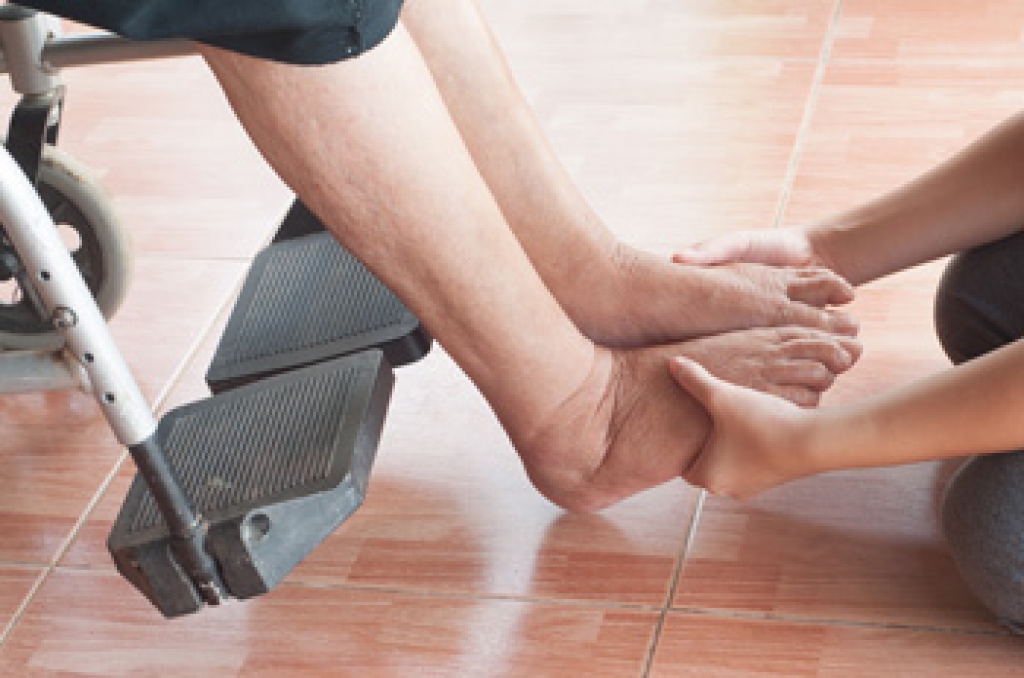
People are often prone to developing foot problems as they age. Seniors are at an increased risk for many foot conditions, including dry skin, calluses, corns, blisters, ingrown toenails, deformities such as hammertoes and bunions, fungal skin and nail infections, and foot warts. Sometimes, even seemingly harmless foot conditions can progress and lead to serious consequences. For example, an ingrown toenail can become infected or create a wound that heals slowly due to other underlying health conditions, such as diabetes. Therefore, it is important for seniors to monitor the health of their feet by regularly inspecting them. Look for any abnormalities in the feet, such as sores, scrapes, cuts, or wounds, skin discoloration, pain or strange sensations like tingling or burning. If you notice any changes to your feet, please consult with a podiatrist. 

If you need your feet checked, contact Dr. Jeff Brooks of Oceanside Foot & Ankle Center. Our doctor will attend to all of your foot and ankle needs and provide you with quality treatment.

Geriatrics and Podiatry
When people age, some common issues that may occur are bone density loss, dry skin, poor circulation, and rough brittle nails. These issues may also affect your foot health if the necessary steps are not taken to alleviate the problems.

It is important to take care of your feet because feet that are injured or diseased can affect your overall health. Having painful feet hinders your ability to do daily activities or may decrease your willingness to do the things that you need to do.

Visiting Your Geriatrician
As we age, health problems become more likely, so it is essential to visit your doctor for check-ups to ensure that you are doing the best you can to take care of your health. It is recommended to check your feet frequently for any possible cuts, bruises, swelling, corns or any other irregularities. 

Taking Care of Elderly Feet
Cracked or dry feet can be treated by applying moisturizer often. It is also important not to wear old socks because the older the sock is, the higher the possibility there will be that there is bacteria there. Wear fresh socks and make sure they fit properly.

Proper foot health means that you can have a more active lifestyle and you will not be bogged down by pain. Foot health also leads to good circulation, which is paramount for overall health.

If you have any questions, please feel free to contact our office located in Oceanside, CA . We offer the newest diagnostic and treatment technologies for all your foot care needs.

Read more about Geriatrics and Podiatry

Reminder: When Was the Last Time...?

Custom orthotics, or shoe inserts, should be periodically replaced. Orthotics must fit properly to give you the best results. Protect your feet and ankles!

Are Cracked Heels Dangerous?

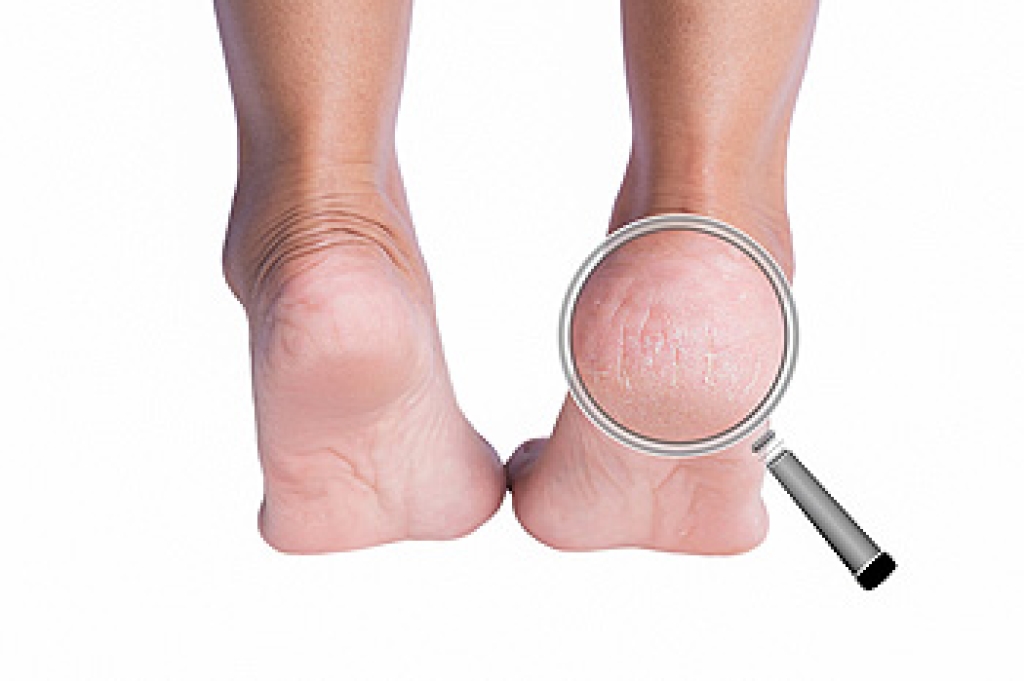
At best, cracked heels are unsightly and bothersome. Left untreated, these dry, flaky and hard fissures can deepen and become infected. Cracked heels are dangerous to people with diabetes, and at worst they can lead to foot ulcers that may not heal. Cracked heels can occur if you walk barefoot frequently or wear shoes that expose your heels. You are also more susceptible to developing cracked heels if you live in a dry climate, are obese, or have sweat glands that do not function properly. You can help avoid getting cracked heels by keeping yourself hydrated, moisturizing your heels twice a day, and always wearing socks or shoes that cover the back of your feet and offer proper shock absorption with adequate soles. If the cracks deepen, bleed, or are painful, a podiatrist can treat or remove them and prescribe antibiotics if they are infected.

Cracked heels are unsightly and can cause further damage to your shoes and feet. If you have any concerns, contact Dr. Jeff Brooks from Oceanside Foot & Ankle Center. Our doctor can provide the care you need to keep you pain-free and on your feet.

Cracked Heels

Cracked heels appear unappealing and can make it harder for you walk around in sandals. Aside from looking unpleasant, cracked heels can also tear stockings, socks, and wear out your shoes. There are several methods to help restore a cracked heel and prevent further damage.

How Do You Get Them?

Dry skin is the number one culprit in creating cracked heels. Many athletes, walkers, joggers, and even swimmers suffer from cracked heels. Age and skin oil production play a role to getting cracked heels as well.

Promote Healing

Over the counter medicines can help, especially for those that need instant relief or who suffer from chronic dry feet.

Wear Socks – Wearing socks with medicated creams helps lock in moisture.

Moisturizers – Applying both day and night will help alleviate dryness which causes cracking.

Pumice Stones – These exfoliate and remove dead skin, which allows for smoother moisturizer application and better absorption into the skin. 

Change in Diet

Eating healthy with a well-balanced diet will give the skin a fresh and radiant look. Your body responds to the kinds of food you ingest. Omega-3 fatty acids and zinc supplements can also revitalize skin tissue.

Most importantly, seek professional help if unsure how to proceed in treating cracked heels. A podiatrist will help you with any questions or information needed. 

If you have any questions, please feel free to contact our office located in Oceanside, CA . We offer the newest diagnostic and treatment technologies for all your foot care needs.
Read more about Solutions for Cracked Heels

Why Live with Pain and Numbness in Your Feet?

Suffering from this type of pain? You may have the foot condition known as Morton's neuroma. Morton's neuroma may develop as a result of ill-fitting footwear and existing foot deformities. We can help.

What Is a Blister and Why Do They Develop?

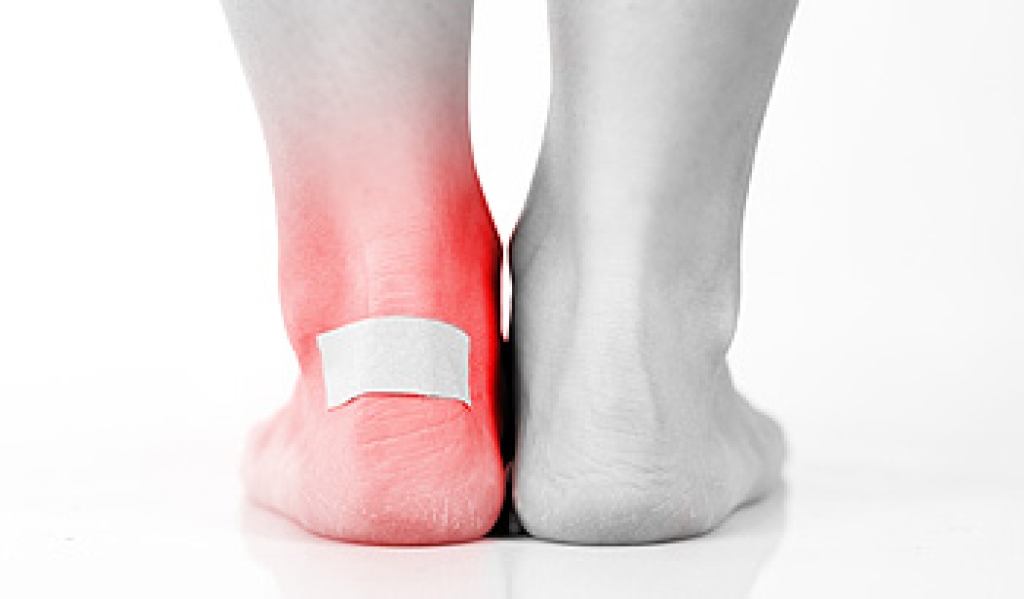
Many people have had blisters on their feet at some point in their lives. They can be bothersome, and may hinder performing daily activities. They generally develop as a result of excess pressure that occurs from wearing shoes that do not fit correctly, or from routinely performing the same activities which often includes running. A blister is defined as a small area on the skin that resembles a bubble, and is filled with liquid. This is the body’s natural defense for protection when an injury occurs that affects the skin. The blister will gradually drain as new skin forms. Runners may find it beneficial to wear a protective covering over the blisters, as this may keep the blister from draining prematurely. If you would like additional information about how to treat blisters and prevent them from developing, please consult with a podiatrist.

Blisters may appear as a single bubble or in a cluster. They can cause a lot of pain and may be filled with pus, blood, or watery serum. If your feet are hurting, contact Dr. Jeff Brooks of Oceanside Foot & Ankle Center. Our doctor can provide the care you need to keep you pain-free and on your feet.

Foot Blisters

Foot blisters are often the result of friction. This happens due to the constant rubbing from shoes, which can lead to pain.

What Are Foot Blisters?

A foot blister is a small fluid-filled pocket that forms on the upper-most layer of the skin. Blisters are filled with clear fluid and can lead to blood drainage or pus if the area becomes infected.

Symptoms

(Blister symptoms may vary depending on what is causing them)

  • Bubble of skin filled with fluid
  • Redness
  • Moderate to severe pain
  • Itching

Prevention & Treatment

In order to prevent blisters, you should be sure to wear comfortable shoes with socks that cushion your feet and absorb sweat. Breaking a blister open may increase your chances of developing an infection. However, if your blister breaks, you should wash the area with soap and water immediately and then apply a bandage to the affected area. If your blisters cause severe pain it is important that you call your podiatrist right away.

If you have any questions, please feel free to contact our office located in Oceanside, CA . We offer the newest diagnostic and treatment technologies for all your foot care needs.

Read more about Blisters
scroll to top