
Plantar warts are small growths that develop on parts of the feet that bear weight. They're typically found on the bottom of the foot. Don't live with plantar warts, and call us today!
Plantar warts are small growths that develop on parts of the feet that bear weight. They're typically found on the bottom of the foot. Don't live with plantar warts, and call us today!
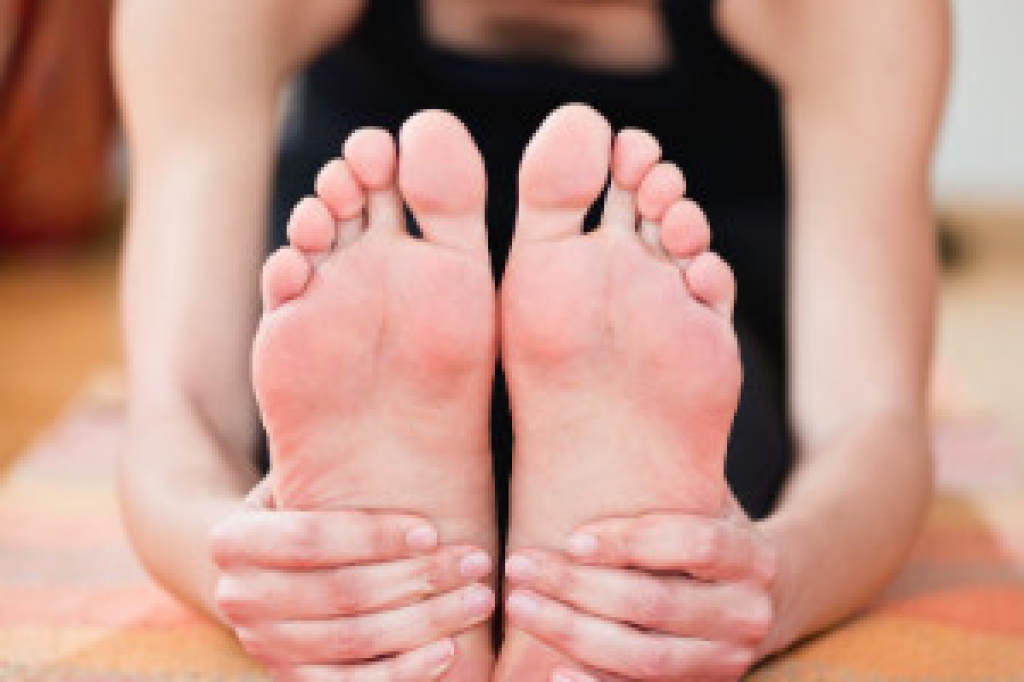 People who enjoy the sport of running are generally familiar with the need to properly stretch their feet. This may be beneficial in protecting the bones, muscles, ligaments, and tendons each foot is composed of, which may lead to a more enjoyable running experience. The toes are responsible for maintaining adequate balance, and it is important to properly stretch them before and after completing a run. There are effective stretches that will benefit the overall foot. These can consist of curling your toes while on your hands and knees, followed by sitting back until a good stretch is felt. Additionally, many people find it helpful to roll their foot on top of a tennis ball, as this may help to stretch the plantar fascia. If you would like additional information about the benefits of stretching the feet, please consult with a podiatrist.
Why Stretching Is Important for Your Feet
Stretching the feet is a great way to prevent injuries. If you have any concerns with your feet consult with Dr. Jeff Brooks from Oceanside Foot & Ankle Center. Our doctor will assess your condition and provide you with quality foot and ankle treatment.
Stretching the Feet
Stretching the muscles in the foot is an important part in any physical activity. Feet that are tight can lead to less flexibility and make you more prone to injury. One of the most common forms of foot pain, plantar fasciitis, can be stretched out to help ease the pain. Stretching can not only ease pain from plantar fasciitis but also prevent it as well. However, it is important to see a podiatrist first to determine if stretching is right for you. Podiatrists can also recommend other ways to stretch your feet. Once you know whether stretching is right for you, here are some excellent stretches you can do.
It is best to go easy when first stretching your foot and work your way up. If your foot starts hurting, stop exercising to ice and rest the foot. It is advised that you then see a podiatrist for help.
If you have any questions please contact our offices located in Oceanside and Temecula, CA . We offer the newest diagnostic and treatment technologies for all your foot and ankle needs.

If you are suffering from tenderness, pain, or stiffness in the joints of your feet or ankles, call us to schedule an appointment.
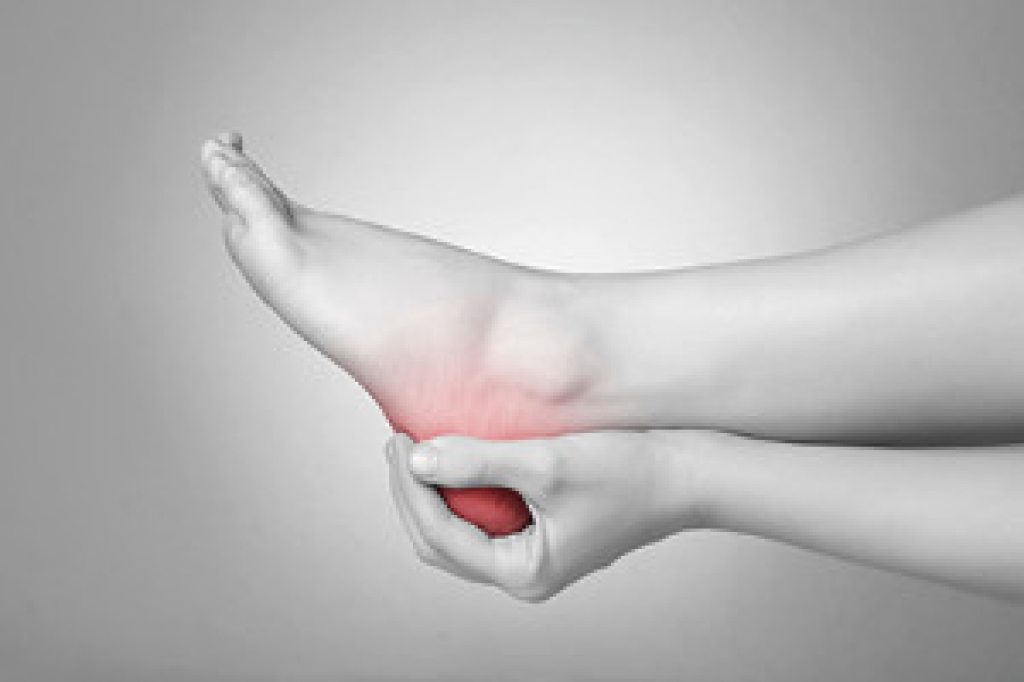 Children and young teenagers who participate in sporting activities may complain of heel pain. This may be indicative of Sever’s disease, which targets the growth plate in the heel. Symptoms that are generally associated with this condition may include pain and discomfort, and the style of walking may be altered. Additionally, the foot may feel stiff and can become swollen and turn red. When children frequently pursue activities which can include basketball, football, or volleyball, Sever’s disease may begin to develop. Other reasons can include being overweight, wearing shoes that do not fit correctly, or having flat or high arches. If you notice any of these symptoms, please consult with a podiatrist who can properly treat this ailment.
Sever's disease often occurs in children and teens. If your child is experiencing foot or ankle pain, see Dr. Jeff Brooks from Oceanside Foot & Ankle Center. Our doctor can treat your child’s foot and ankle needs.
Sever’s Disease
Sever’s disease is also known as calcaneal apophysitis, which is a medical condition that causes heel pain I none or both feet. The disease is known to affect children between the ages of 8 and 14.
Sever’s disease occurs when part of the child’s heel known as the growth plate (calcaneal epiphysis) is attached to the Achilles tendon. This area can suffer injury when the muscles and tendons of the growing foot do not keep pace with bone growth. Therefore, the constant pain which one experiences at the back of the heel will make the child unable to put any weight on the heel. The child is then forced to walk on their toes.
Symptoms
Acute pain – Pain associated with Sever’s disease is usually felt in the heel when the child engages in physical activity such as walking, jumping and or running.
Highly active – Children who are very active are among the most susceptible in experiencing Sever’s disease, because of the stress and tension placed on their feet.
If you have any questions, please feel free to contact our offices located in Oceanside and Temecula, CA . We offer the newest diagnostic and treatment technologies for all your foot care needs.

Gout is a painful, inflammatory form of arthritis. Those affected will typically feel an intense stiffness in the joints of their feet, particularly in the big toe. Schedule a visit to learn about how gout can be managed and treated.
