In-home visits and Telehealth appointments available. Call/text us to schedule.

The Effects Obesity Has On the Feet

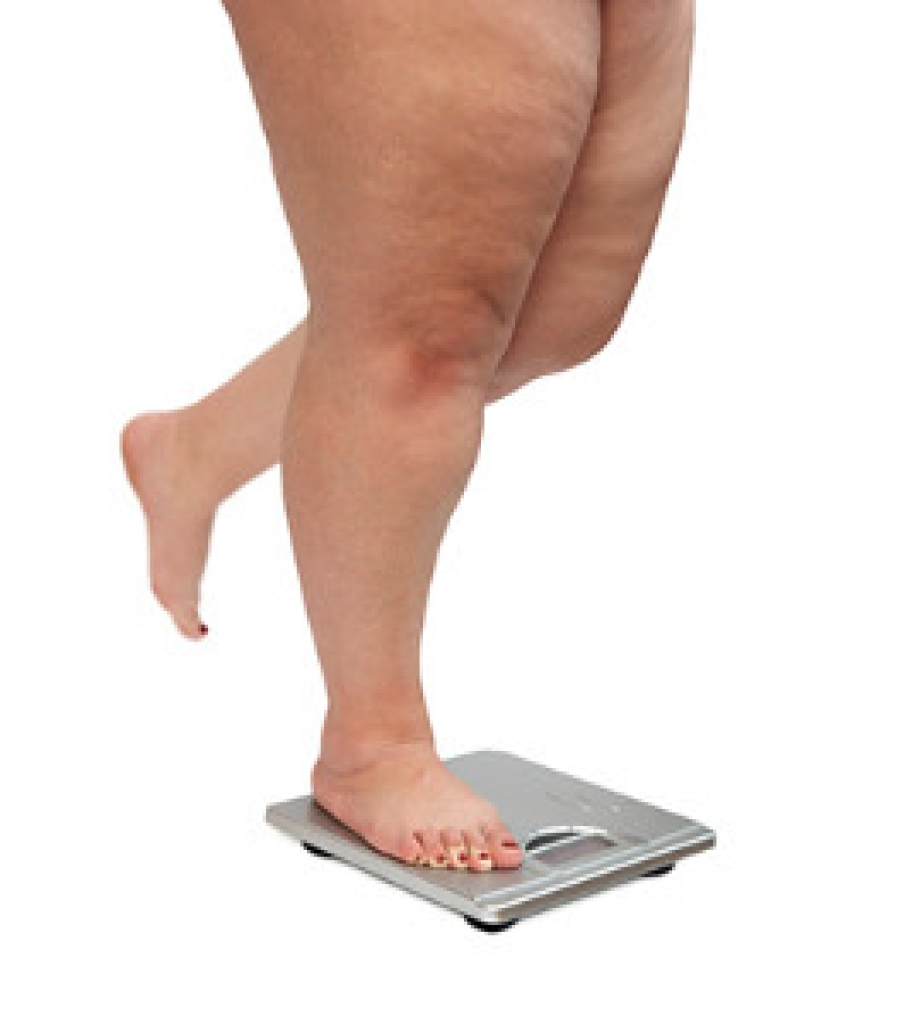
It’s important to maintain proper foot care, and added weight can result in the development of numerous foot conditions. Being overweight may limit the type of exercise that is needed for correct body care, and the feet may be negatively affected. Edema, which is often referred to as swollen ankles, is a common side effect the feet may endure as a result of extra weight. The feet will be among the many parts of the body that will be positively affected after losing weight, which can include better blood circulation and more manageable edema. Choosing shoes with maximum support, which may typically consist of a sturdy sole, can aid the foot in achieving optimum comfort. Please schedule a consultation with a podiatrist to acquire additional information of how obesity can affect the feet

The more you weigh, the harder your feet must work to support your body. If you’re an obese individual and are concerned about your feet, contact Dr. Jeff Brooks from Oceanside Foot & Ankle Center. Our doctor can provide the care you need to keep you pain-free and on your feet.

Obesity and Your Feet

People who are overweight are putting more pressure on their ankles, knees, and hips as well as their feet. This unfortunately can lead to variety of different issues.

Problems & Complications Stemming from Obesity

  • When the body is overweight, it tries to compensate by changing the way that it moves. An obese person may lean forward and put extra weight on the wrong part of the foot. This puts unnecessary stress on the feet.
  • Obese people are also more likely to develop type II diabetes which is a condition that causes a lot of foot problems. People with diabetes often don’t feel the cuts and sores that they may have on their feet, which can lead to more complicated and severe issues.
  • Plantar fasciitis is another foot condition that can be caused by obesity. Plantar fasciitis is an inflammation of the tissue along the bottom of the foot, which causes pain and stiffness while walking and climbing stairs.

If you have any questions please contact our office located in Oceanside, CA . We offer the newest diagnostic and treatment technologies for all your foot and ankle needs.

Read more about How Obesity Affects Your Feet

It's Time for Beautiful Feet

You don't need an excuse to have beautiful nails. Step outside without worrying about the appearance of your feet.

Why Do Corns Develop?

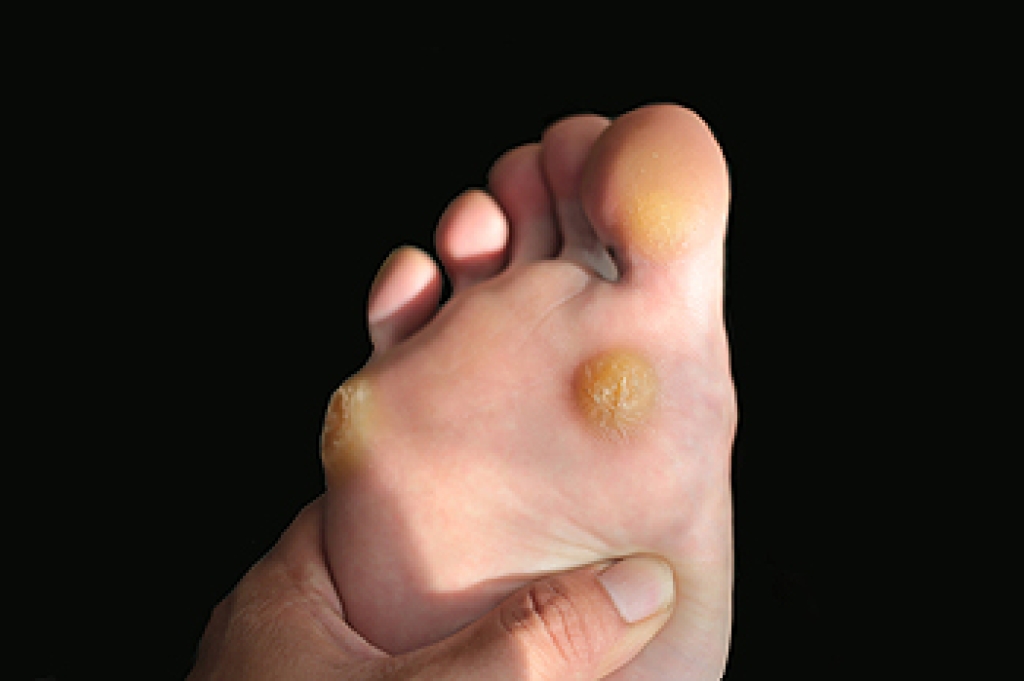
A corn on the foot appears as a small, hard circle which acts as a skin protector against pressure that poorly fitting shoes may cause. There are typically two types of corns that can develop. Hard corns are generally caused by shoes that fit tightly and appear on the side of the pinky toe. The toe and surrounding area may become inflamed from the added pressure, causing friction and aiding in the development of corns. Soft corns are known to develop in between the toes and thrive on the sweat and moisture in that area. Occasionally, soft corns may develop as a result of a predisposed inherited bone malformation, causing the skin on two toes to rub together, generating friction. Research has shown that wearing wider shoes while performing daily activities may prevent the formation of corns. If you are afflicted by this condition, please consider a consultation with a podiatrist for proper treatment options.

If you have any concerns regarding your feet and ankles, contact Dr. Jeff Brooks of Oceanside Foot & Ankle Center. Our doctor will treat your foot and ankle needs.

Corns: What Are They? and How Do You Get Rid of Them?
Corns can be described as areas of the skin that have thickened to the point of becoming painful or irritating. They are often layers and layers of the skin that have become dry and rough, and are normally smaller than calluses.

Ways to Prevent Corns
There are many ways to get rid of painful corns such as wearing:

  • Well-fitting socks
  • Comfortable shoes that are not tight around your foot
  • Shoes that offer support

Treating Corns
Treatment of corns involves removing the dead skin that has built up in the specific area of the foot. Consult with Our doctor to determine the best treatment option for your case of corns.

If you have any questions, please feel free to contact our office located in Oceanside, CA . We offer the newest diagnostic and treatment technologies for all your foot care needs.

Read more about Corns: What Are They, and How Do You Get Rid of Them

Heel Pain Can Be Treated!

Do you suffer from heel pain when you get up in the morning? If so, you should seek professional help and have a proper diagnosis performed. Heel pain can be caused by several different foot-related conditions.

Symptoms of Sever’s Disease

If your pre-teen child experiences heel pain, it may be a condition known as Sever’s disease. This condition typically affects children between eight and fourteen years of age, and recent research has shown that it occurs in males slightly more than females. You may notice your child limping especially after a running activity, and heel pain may be noticed if a sports game is participated in. This ailment is typically related to physically active teens. It’s beneficial to rest between physical activities, which may enable the heel to obtain adequate comfort. If your child is hindered by this condition, please schedule a consultation with a podiatrist for additional information and proper treatment options.

Sever's disease often occurs in children and teens. If your child is experiencing foot or ankle pain, see Dr. Jeff Brooks from Oceanside Foot & Ankle Center. Our doctor can treat your child’s foot and ankle needs.

Sever’s Disease

Sever’s disease is also known as calcaneal apophysitis, which is a medical condition that causes heel pain I none or both feet. The disease is known to affect children between the ages of 8 and 14.

Sever’s disease occurs when part of the child’s heel known as the growth plate (calcaneal epiphysis) is attached to the Achilles tendon. This area can suffer injury when the muscles and tendons of the growing foot do not keep pace with bone growth. Therefore, the constant pain which one experiences at the back of the heel will make the child unable to put any weight on the heel. The child is then forced to walk on their toes.

Symptoms

Acute pain – Pain associated with Sever’s disease is usually felt in the heel when the child engages in physical activity such as walking, jumping and or running.

Highly active – Children who are very active are among the most susceptible in experiencing Sever’s disease, because of the stress and tension placed on their feet.

If you have any questions, please feel free to contact our office located in Oceanside, CA . We offer the newest diagnostic and treatment technologies for all your foot care needs.

Read more about Sever's Disease
scroll to top