In-home visits and Telehealth appointments available. Call/text us to schedule.

Hyperbaric Oxygen Therapy and DFUs

Diabetic foot ulcers (DFUs) are poorly healing wounds that can form on the feet of people who have diabetes. These wounds require treatment, as they are at an increased risk of infection, which can have serious consequences. Hyperbaric oxygen therapy (HBOT) is a type of treatment in which a person is placed in a special room or small chamber to breathe almost pure oxygen. This treatment has shown to be promising in treating a variety of conditions, including poorly healing DFUs. Hyperbaric oxygen therapy can help encourage the formation of new blood vessels around the wound and supply the area with more oxygen and nutrients, something these wounds are typically missing due to the effects of diabetes. This can help the body generate new, healthy tissues. To learn more about HBOT and other treatments for diabetic foot ulcers, please consult with a podiatrist. 

Wound care is an important part in dealing with diabetes. If you have diabetes and a foot wound or would like more information about wound care for diabetics, consult with Dr. Jeff Brooks from Oceanside Foot & Ankle Center. Our doctor will assess your condition and provide you with quality foot and ankle treatment.

What Is Wound Care?

Wound care is the practice of taking proper care of a wound. This can range from the smallest to the largest of wounds. While everyone can benefit from proper wound care, it is much more important for diabetics. Diabetics often suffer from poor blood circulation which causes wounds to heal much slower than they would in a non-diabetic. 

What Is the Importance of Wound Care?

While it may not seem apparent with small ulcers on the foot, for diabetics, any size ulcer can become infected. Diabetics often also suffer from neuropathy, or nerve loss. This means they might not even feel when they have an ulcer on their foot. If the wound becomes severely infected, amputation may be necessary. Therefore, it is of the upmost importance to properly care for any and all foot wounds.

How to Care for Wounds

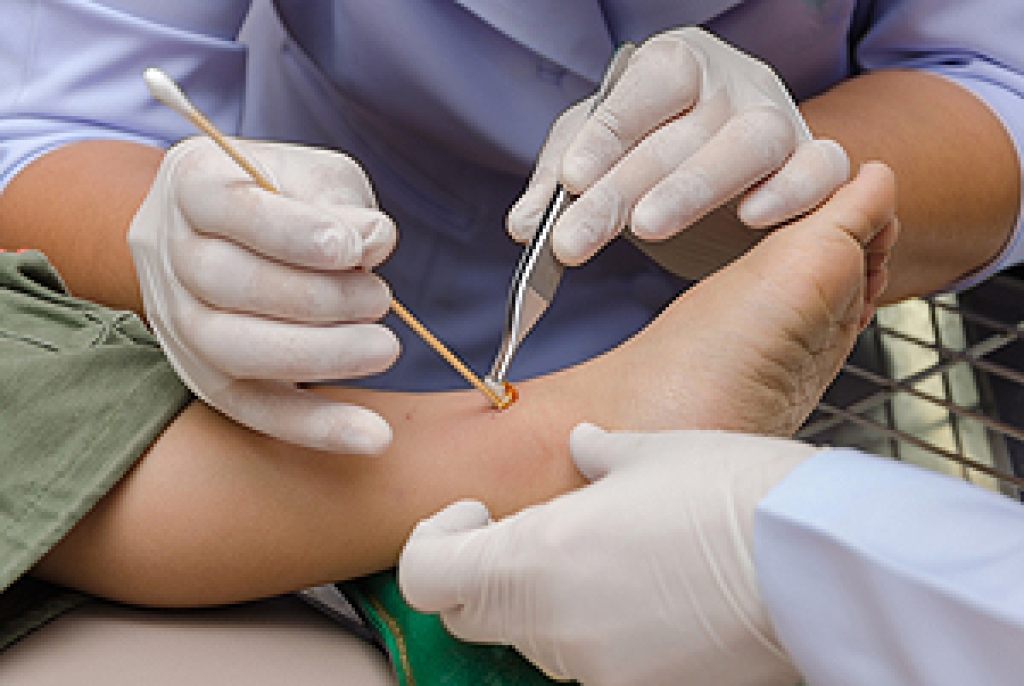
The best way to care for foot wounds is to prevent them. For diabetics, this means daily inspections of the feet for any signs of abnormalities or ulcers. It is also recommended to see a podiatrist several times a year for a foot inspection. If you do have an ulcer, run the wound under water to clear dirt from the wound; then apply antibiotic ointment to the wound and cover with a bandage. Bandages should be changed daily and keeping pressure off the wound is smart. It is advised to see a podiatrist, who can keep an eye on it.

If you have any questions please contact our office located in Oceanside, CA . We offer the newest diagnostic and treatment technologies for all your foot and ankle needs.

Read more about Wound Care

Podiatrists and Diabetic Neuropathy

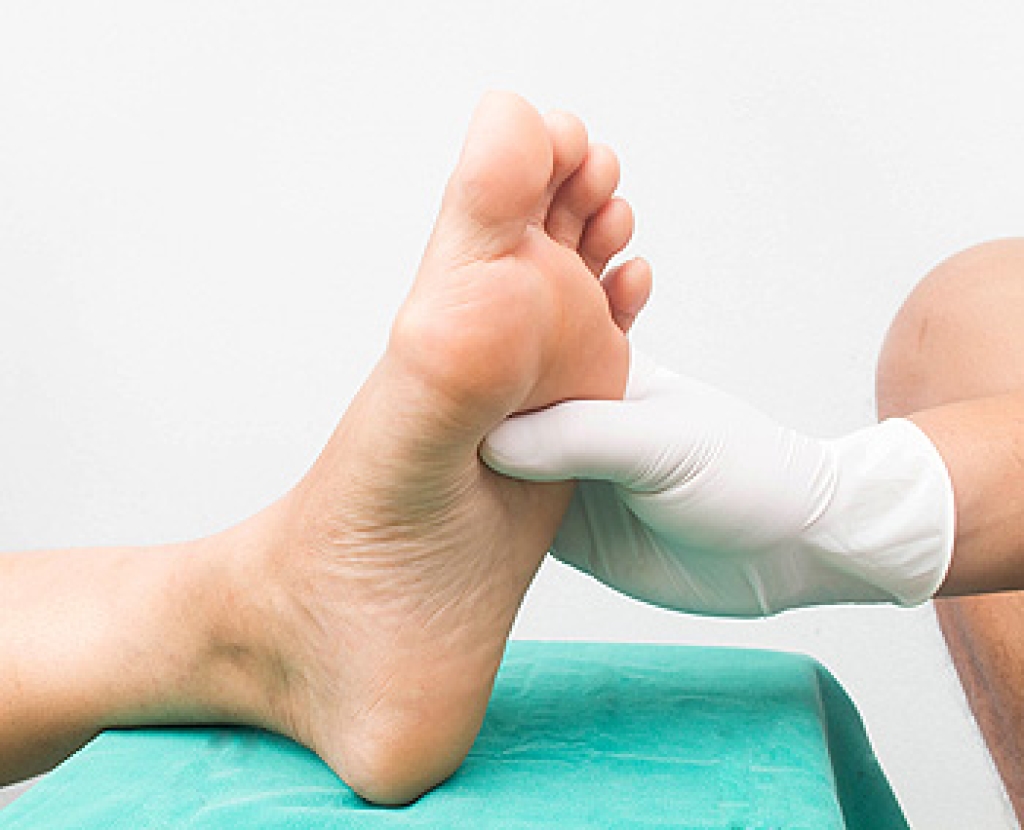
Neuropathy is another word for nerve damage. There are many types of neuropathy with a variety of underlying causes. The most common type of neuropathy seen by podiatrists is diabetic neuropathy. As its name suggests, diabetic peripheral neuropathy is a result of diabetes. High blood sugar levels damage the nerves that supply the feet and lower limbs, leading to symptoms such as burning pain, numbness, tingling, a loss of sensation, muscle weakness, skin discoloration, and a higher chance of diabetic foot ulcers. Diabetic neuropathy can range from mild to severe but tends to worsen if steps aren’t taken to treat it. Your podiatrist can help you manage diabetic neuropathy by monitoring the health of your feet, prescribing orthotics, taking care of any injuries or foot wounds, and much more.

Neuropathy

Neuropathy can be a potentially serious condition, especially if it is left undiagnosed. If you have any concerns that you may be experiencing nerve loss in your feet, consult with Dr. Jeff Brooks from Oceanside Foot & Ankle Center. Our doctor will assess your condition and provide you with quality foot and ankle treatment for neuropathy.

What Is Neuropathy?

Neuropathy is a condition that leads to damage to the nerves in the body. Peripheral neuropathy, or neuropathy that affects your peripheral nervous system, usually occurs in the feet. Neuropathy can be triggered by a number of different causes. Such causes include diabetes, infections, cancers, disorders, and toxic substances.

Symptoms of Neuropathy Include:

  • Numbness
  • Sensation loss
  • Prickling and tingling sensations
  • Throbbing, freezing, burning pains
  • Muscle weakness

Those with diabetes are at serious risk due to being unable to feel an ulcer on their feet. Diabetics usually also suffer from poor blood circulation. This can lead to the wound not healing, infections occurring, and the limb may have to be amputated.

Treatment

To treat neuropathy in the foot, podiatrists will first diagnose the cause of the neuropathy. Figuring out the underlying cause of the neuropathy will allow the podiatrist to prescribe the best treatment, whether it be caused by diabetes, toxic substance exposure, infection, etc. If the nerve has not died, then it’s possible that sensation may be able to return to the foot.

Pain medication may be issued for pain. Electrical nerve stimulation can be used to stimulate nerves. If the neuropathy is caused from pressure on the nerves, then surgery may be necessary.

If you have any questions, please feel free to contact our office located in Oceanside, CA . We offer the newest diagnostic and treatment technologies for all your foot care needs.

Read more about Neuropathy

Gout Pain Can Be Managed

Gout is a painful, inflammatory form of arthritis. Those affected will typically feel an intense stiffness in the joints of their feet, particularly in the big toe. Schedule a visit to learn about how gout can be managed and treated.

Cause and Treatment of Sinus Tarsi Syndrome

If standing or walking for long periods causes a pain on the outside of your ankle, you may have sinus tarsi syndrome. The sinus tarsi is a kind of tunnel between two other foot bones that contains ligaments, muscle, nerves, blood vessels and fat. When it gets pinched, it causes pain in front of and below the pointy bone on the outside of your ankle, which is actually the end of the fibula. Swelling and pain when rotating your foot outward are also symptoms. Sinus tarsi syndrome is common in people who have previously sprained an ankle. Non-operative treatments include stopping the activity that is causing the pain, wearing more comfortable shoes and an ankle brace, taking non-steroidal anti-inflammatory medication, and getting corticosteroid injections. An X-ray or digital imaging test from a podiatrist is suggested for a full examination and diagnosis of your foot and ankle. 

Ankle pain can be caused by a number of problems and may be potentially serious. If you have ankle pain, consult with Dr. Jeff Brooks from Oceanside Foot & Ankle Center. Our doctor will assess your condition and provide you with quality foot and ankle treatment.

Ankle pain is any condition that causes pain in the ankle. Due to the fact that the ankle consists of tendons, muscles, bones, and ligaments, ankle pain can come from a number of different conditions.

Causes

The most common causes of ankle pain include:

  • Types of arthritis (rheumatoid, osteoarthritis, and gout)
  • Ankle sprains
  • Broken ankles
  • Achilles tendonitis
  • Achilles tendon rupture
  • Stress fractures
  • Bursitis
  • Tarsal tunnel syndrome
  • Plantar fasciitis

Symptoms

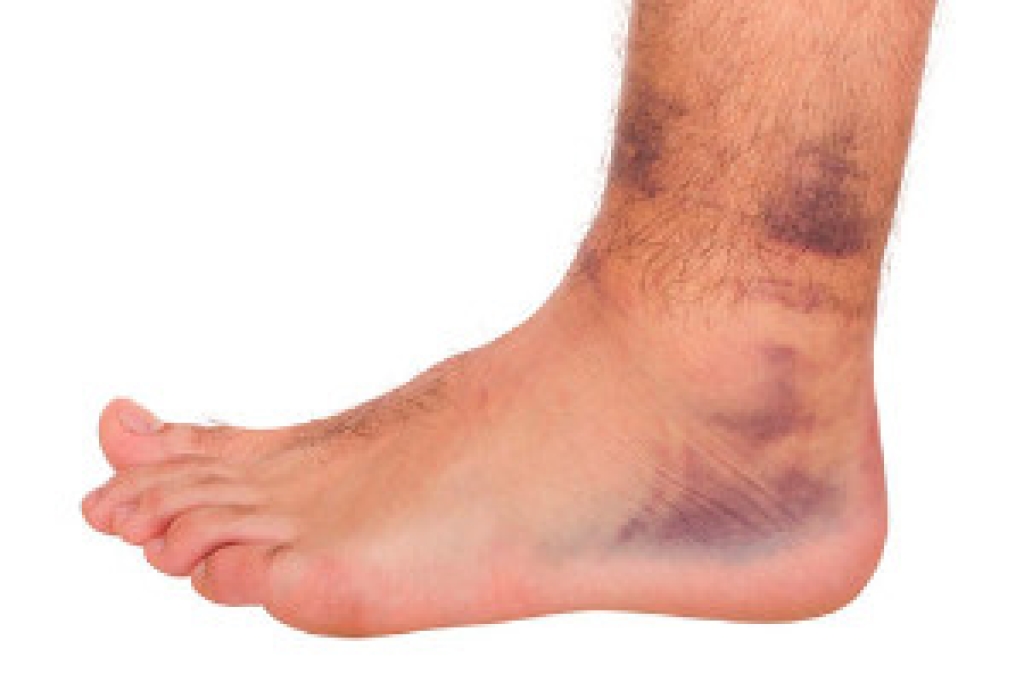
Symptoms of ankle injury vary based upon the condition. Pain may include general pain and discomfort, swelling, aching, redness, bruising, burning or stabbing sensations, and/or loss of sensation.

Diagnosis

Due to the wide variety of potential causes of ankle pain, podiatrists will utilize a number of different methods to properly diagnose ankle pain. This can include asking for personal and family medical histories and of any recent injuries. Further diagnosis may include sensation tests, a physical examination, and potentially x-rays or other imaging tests.

Treatment

Just as the range of causes varies widely, so do treatments. Some more common treatments are rest, ice packs, keeping pressure off the foot, orthotics and braces, medication for inflammation and pain, and surgery.

If you have any questions please feel free to contact our office located in Oceanside, CA . We offer the newest diagnostic tools and technology to treat your foot and ankle needs.

Read more about Ankle Pain
scroll to top