In-home visits and Telehealth appointments available. Call/text us to schedule.

Obese Children May Have Flatter Feet

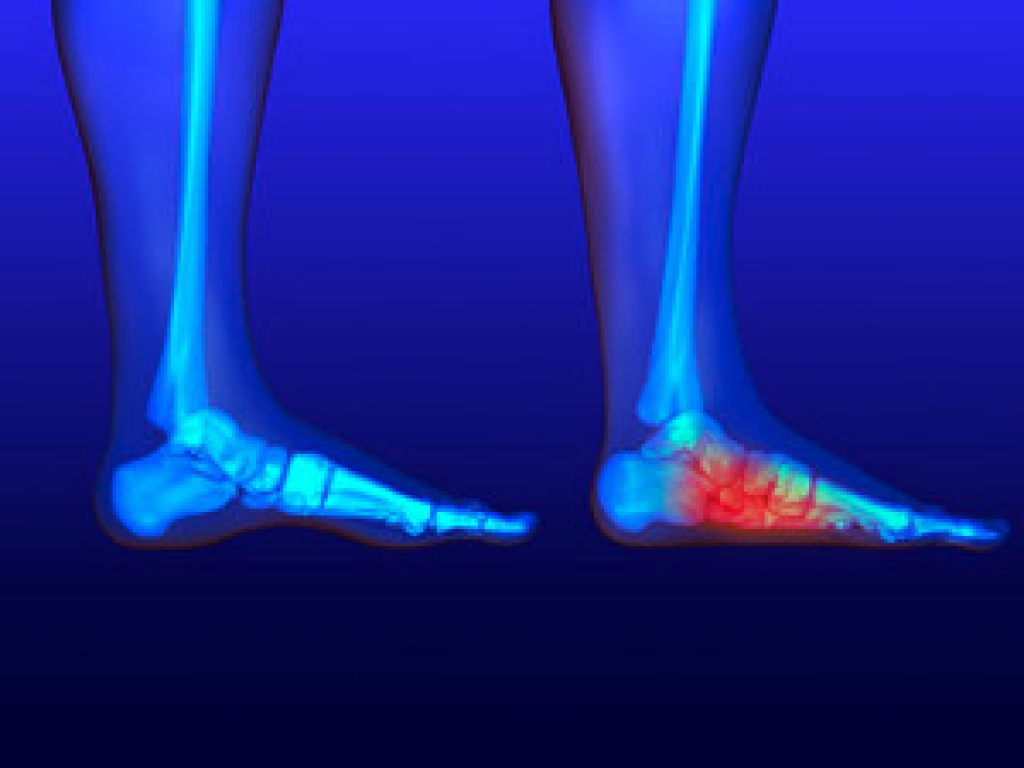
Flat feet is a condition in which there is no visible arch in the feet when the feet bear weight. While all babies are born with flat feet, in most children, the arch will develop slowly over time. However, obese children have been found to be more likely to retain their flat feet. This can be due to lowered arches caused by the excess strain that being overweight places on the feet, in addition to the extra fat padding found on the soles of obese children’s feet. Flat feet sometimes cause foot and ankle pain and can also contribute to back pain as children age. If your child has flat feet and complains of foot pain, please consult with a podiatrist. 


The more you weigh, the harder your feet must work to support your body. If you’re an obese individual and are concerned about your feet, contact Dr. Jeff Brooks from Oceanside Foot & Ankle Center. Our doctor can provide the care you need to keep you pain-free and on your feet.

Obesity and Your Feet

People who are overweight are putting more pressure on their ankles, knees, and hips as well as their feet. This unfortunately can lead to variety of different issues.

Problems & Complications Stemming from Obesity

  • When the body is overweight, it tries to compensate by changing the way that it moves. An obese person may lean forward and put extra weight on the wrong part of the foot. This puts unnecessary stress on the feet.
  • Obese people are also more likely to develop type II diabetes which is a condition that causes a lot of foot problems. People with diabetes often don’t feel the cuts and sores that they may have on their feet, which can lead to more complicated and severe issues.
  • Plantar fasciitis is another foot condition that can be caused by obesity. Plantar fasciitis is an inflammation of the tissue along the bottom of the foot, which causes pain and stiffness while walking and climbing stairs.

If you have any questions please contact our office located in Oceanside, CA . We offer the newest diagnostic and treatment technologies for all your foot and ankle needs.

Read more about Obesity and the Feet

It's Time for Beautiful Feet

You don't need an excuse to have beautiful nails. Step outside without worrying about the appearance of your feet.

Treatments for Corns

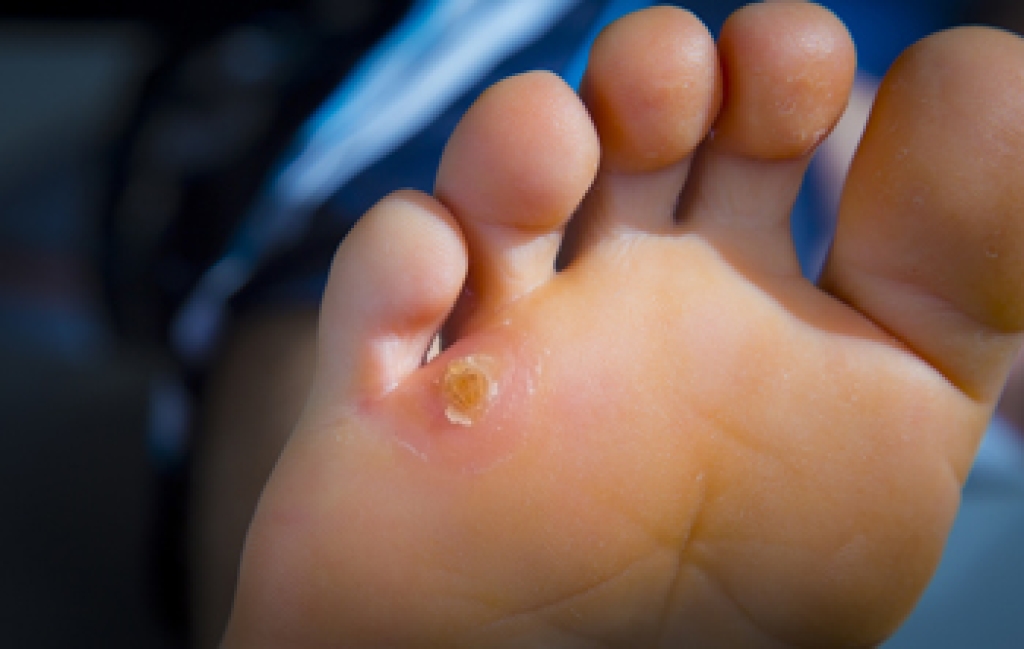
Corns are calluses which often form over the skin of the toes and feet in response to excessive pressure or friction on the area. Corns on the feet can be unpleasant and even painful. Fortunately, there are many treatments for corns. In the clinic, a doctor can trim the corn by shaving the dead skin cells away with a scalpel. At home, soaking the feet regularly and using a pumice stone to exfoliate the foot can soften and reduce the size of the corn. Wearing a specialized pad or cushion can decrease pain, while wearing well-fitted and comfortable shoes can prevent future corns from developing. If you have painful foot corns, it is suggested that you see a podiatrist.

If you have any concerns regarding your feet and ankles, contact Dr. Jeff Brooks of Oceanside Foot & Ankle Center. Our doctor will treat your foot and ankle needs.

Corns: What Are They? and How Do You Get Rid of Them?
Corns can be described as areas of the skin that have thickened to the point of becoming painful or irritating. They are often layers and layers of the skin that have become dry and rough, and are normally smaller than calluses.

Ways to Prevent Corns
There are many ways to get rid of painful corns such as wearing:

  • Well-fitting socks
  • Comfortable shoes that are not tight around your foot
  • Shoes that offer support

Treating Corns
Treatment of corns involves removing the dead skin that has built up in the specific area of the foot. Consult with Our doctor to determine the best treatment option for your case of corns.

If you have any questions, please feel free to contact our office located in Oceanside, CA . We offer the newest diagnostic and treatment technologies for all your foot care needs.

Read more about Understanding Corns and Calluses

Heel Pain Can Be Treated!

Do you suffer from heel pain when you get up in the morning? If so, you should seek professional help and have a proper diagnosis performed. Heel pain can be caused by several different foot-related conditions.

What Is Tenosynovitis?

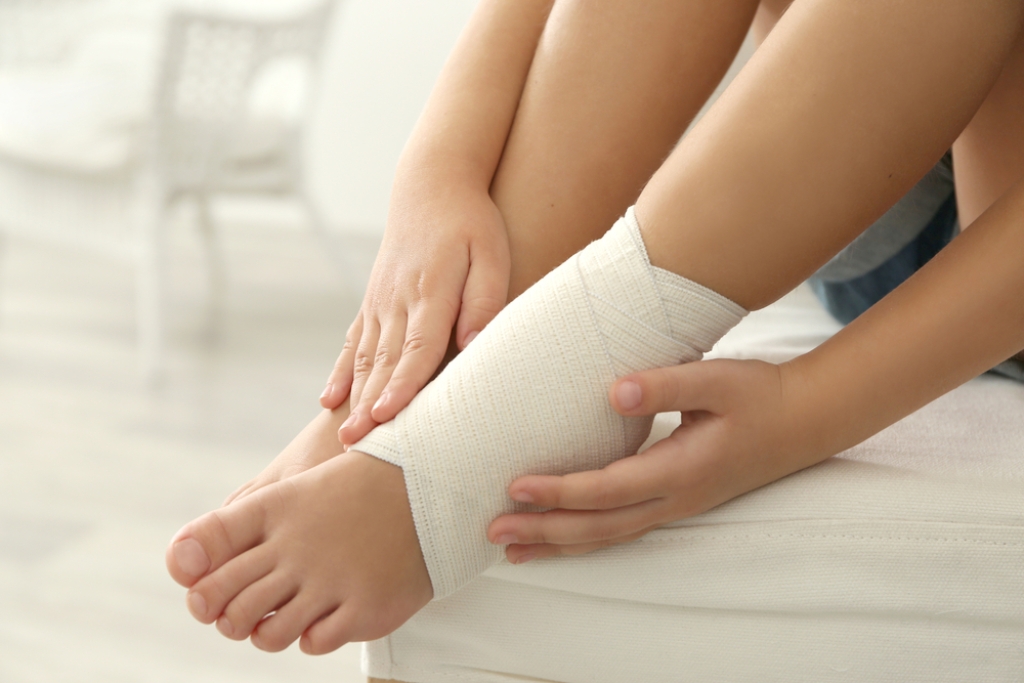
Tenosynovitis is an ailment in which the tendon sheath, the layer of tissue that surrounds each tendon in the body, becomes inflamed. This often occurs in the tendons of the lower limbs, and particularly in the tendons of the ankle. The tendon sheaths in the ankle can become inflamed from repetitive activities that strain them, such as walking or running for long distances. Symptoms of ankle tenosynovitis include pain, tenderness, swelling, and difficulty moving the ankle. Tenosynovitis usually responds well to conservative treatments, such as resting and immobilizing the affected ankle and taking over the counter pain medications. For more information about tenosynovitis, please consult with a podiatrist.

Ankle pain can be caused by a number of problems and may be potentially serious. If you have ankle pain, consult with Dr. Jeff Brooks from Oceanside Foot & Ankle Center. Our doctor will assess your condition and provide you with quality foot and ankle treatment.

Ankle pain is any condition that causes pain in the ankle. Due to the fact that the ankle consists of tendons, muscles, bones, and ligaments, ankle pain can come from a number of different conditions.

Causes

The most common causes of ankle pain include:

  • Types of arthritis (rheumatoid, osteoarthritis, and gout)
  • Ankle sprains
  • Broken ankles
  • Achilles tendonitis
  • Achilles tendon rupture
  • Stress fractures
  • Bursitis
  • Tarsal tunnel syndrome
  • Plantar fasciitis

Symptoms

Symptoms of ankle injury vary based upon the condition. Pain may include general pain and discomfort, swelling, aching, redness, bruising, burning or stabbing sensations, and/or loss of sensation.

Diagnosis

Due to the wide variety of potential causes of ankle pain, podiatrists will utilize a number of different methods to properly diagnose ankle pain. This can include asking for personal and family medical histories and of any recent injuries. Further diagnosis may include sensation tests, a physical examination, and potentially x-rays or other imaging tests.

Treatment

Just as the range of causes varies widely, so do treatments. Some more common treatments are rest, ice packs, keeping pressure off the foot, orthotics and braces, medication for inflammation and pain, and surgery.

If you have any questions please feel free to contact our office located in Oceanside, CA . We offer the newest diagnostic tools and technology to treat your foot and ankle needs.

Read more about Ankle Pain
scroll to top