
Have you noticed a bony protrusion on the side of your big toe? If so, you may have developed the foot condition known as a bunion. Don't let bunions interfere with your daily activities.
Have you noticed a bony protrusion on the side of your big toe? If so, you may have developed the foot condition known as a bunion. Don't let bunions interfere with your daily activities.
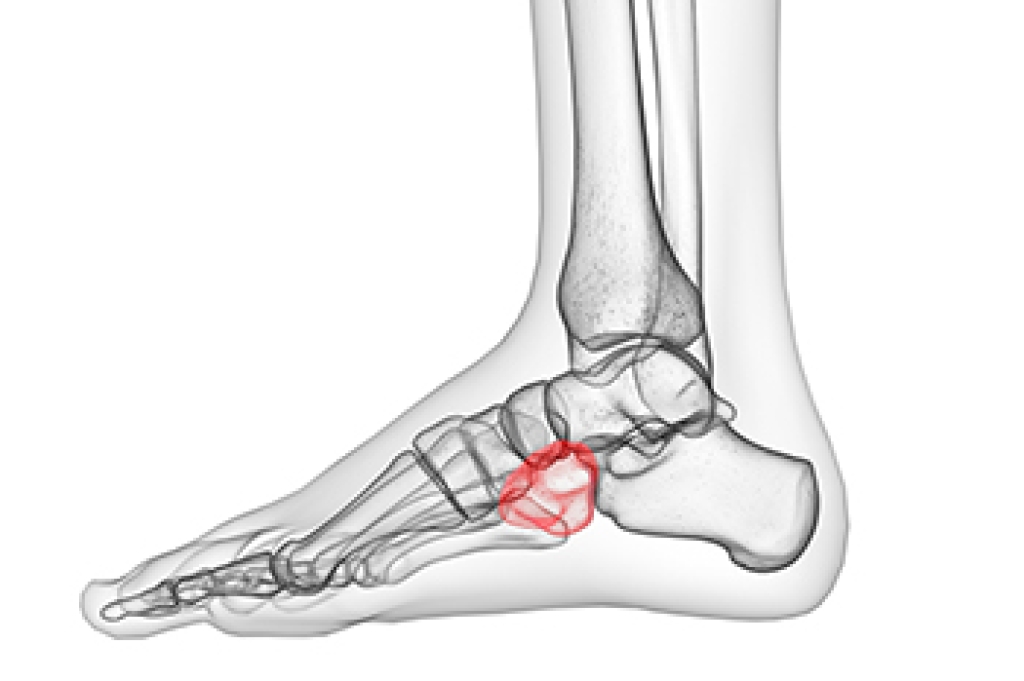
Cuboid syndrome occurs when the cuboid bone in the foot becomes partially dislocated or misaligned, leading to pain and discomfort. This bone is located on the outer side of the foot, and misalignment can result from repetitive stress, ankle sprains, or sudden twisting motions. Common symptoms include pain on the outside of the foot, difficulty walking, and a feeling of instability when standing. The pain may worsen with physical activity or pressure exerted on the foot. Diagnosing cuboid syndrome often involves a physical examination by a podiatrist, who may manipulate the foot to check for tenderness or abnormal movement of the cuboid bone. X-rays or other imaging tests may also be used to rule out other conditions and confirm the diagnosis. If you have pain on the outside of your foot, it is suggested that you consult a podiatrist who can determine the cause and provide treatment.
Cuboid syndrome, also known as cuboid subluxation, occurs when the joints and ligaments near the cuboid bone in the foot become torn. If you have cuboid syndrome, consult with Dr. Jeff Brooks from Oceanside Foot & Ankle Center. Our doctor will assess your condition and provide you with quality foot and ankle treatment.
Cuboid syndrome is a common cause of lateral foot pain, which is pain on the outside of the foot. The condition may happen suddenly due to an ankle sprain, or it may develop slowly overtime from repetitive tension through the bone and surrounding structures.
Causes
The most common causes of cuboid syndrome include:
Symptoms
A common symptom of cuboid syndrome is pain along the outside of the foot which can be felt in the ankle and toes. This pain may create walking difficulties and may cause those with the condition to walk with a limp.
Diagnosis
Diagnosis of cuboid syndrome is often difficult, and it is often misdiagnosed. X-rays, MRIs and CT scans often fail to properly show the cuboid subluxation. Although there isn’t a specific test used to diagnose cuboid syndrome, your podiatrist will usually check if pain is felt while pressing firmly on the cuboid bone of your foot.
Treatment
Just as the range of causes varies widely, so do treatments. Some more common treatments are ice therapy, rest, exercise, taping, and orthotics.
If you have any questions, please feel free to contact our offices located in Oceanside and Temecula, CA . We offer the newest diagnostic and treatment technologies for all your foot care needs.

If left untreated, an ingrown toenail can lead to more serious concerns, such as an infection. Knowing proper nail care can help in the prevention of an ingrown toenail. Give us a call, and get treated!
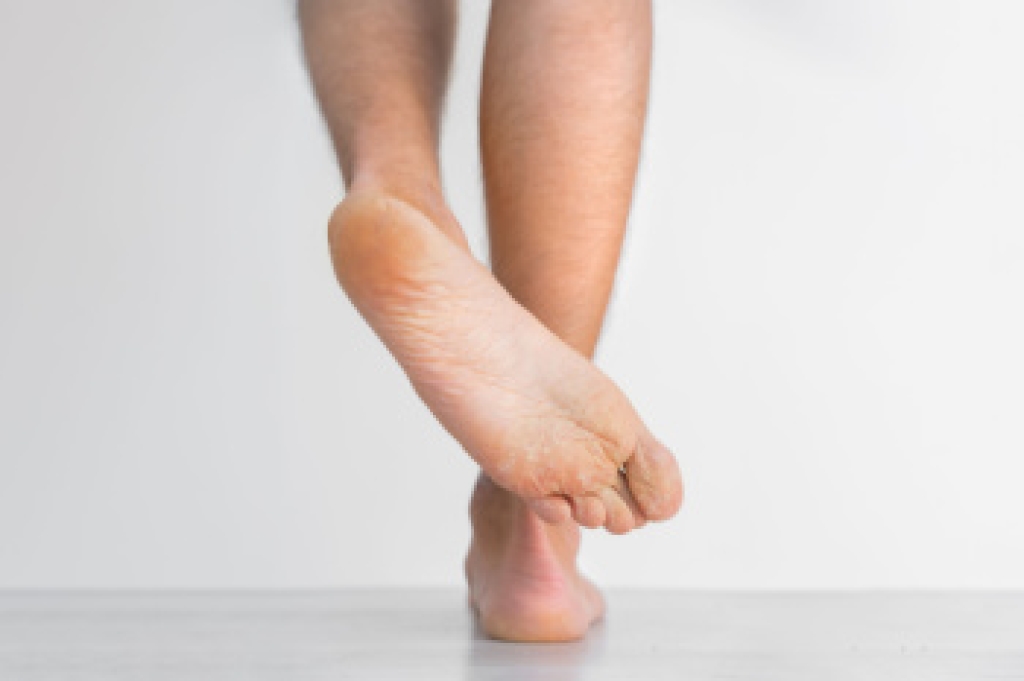
Tinea pedis, commonly known as athlete’s foot, is more than just an itchy nuisance. It is a fungal infection that thrives in warm, damp environments like locker rooms, public showers, and sweaty shoes. Many people do not realize they have it until symptoms like peeling skin, redness, and a burning sensation appear. The infection often starts between the toes but can spread to the soles and even the toenails, if left untreated. Ignoring tinea pedis can lead to chronic infections, cracked skin, and secondary bacterial infections. Prevention is key. Keeping feet dry, wearing breathable shoes, and avoiding walking barefoot in public spaces can reduce the risk. Mild antifungal treatments can help, but persistent or severe cases require medical attention. If symptoms worsen or do not improve, it is suggested that you see a podiatrist for stronger treatments and long-term solutions to keep your feet healthy.
Athlete’s foot is an inconvenient condition that can be easily reduced with the proper treatment. If you have any concerns about your feet and ankles, contact Dr. Jeff Brooks from Oceanside Foot & Ankle Center. Our doctor will treat your foot and ankle needs.
Athlete’s Foot: The Sole Story
Athlete's foot, also known as tinea pedis, can be an extremely contagious foot infection. It is commonly contracted in public changing areas and bathrooms, dormitory style living quarters, around locker rooms and public swimming pools, or anywhere your feet often come into contact with other people.
Solutions to Combat Athlete’s Foot
Athlete’s foot can cause many irritating symptoms such as dry and flaking skin, itching, and redness. Some more severe symptoms can include bleeding and cracked skin, intense itching and burning, and even pain when walking. In the worst cases, Athlete’s foot can cause blistering as well. Speak to your podiatrist for a better understanding of the different causes of Athlete’s foot, as well as help in determining which treatment options are best for you.
If you have any questions please feel free to contact our offices located in Oceanside and Temecula, CA . We offer the newest diagnostic and treatment technologies for all your foot and ankle needs.

Custom orthotics, or shoe inserts, should be periodically replaced. Orthotics must fit properly to give you the best results. Protect your feet and ankles!
