In-home visits and Telehealth appointments available. Call/text us to schedule.

Various Types of Heel Pain

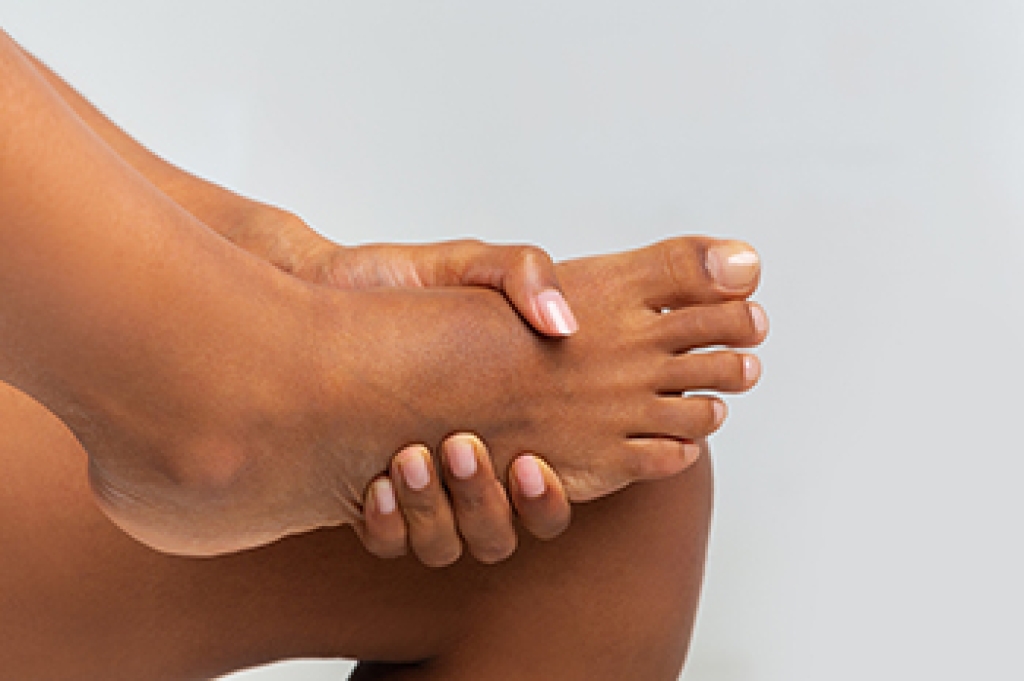
Heel pain is a common issue that can significantly impact daily activities. The most frequent causes include plantar fasciitis, Achilles tendonitis, Sever’s disease, and bursitis. Plantar fasciitis is an inflammation of the tissue that runs along the bottom of the foot, causing sharp pain, especially with the first few steps in the morning. Achilles tendonitis occurs when the Achilles tendon becomes inflamed, leading to pain at the back of the heel. Sever’s disease, common in growing children, is an inflammation of the growth plate in the heel. Bursitis occurs when the small fluid-filled sacs in the heel become inflamed, causing discomfort. The causes of heel pain can vary, from overuse and wearing poor footwear to biomechanical issues. A podiatrist can diagnose the root cause and recommend effective treatments, such as custom orthotics, stretching exercises, or even surgery, if needed. If you have heel pain, it is suggested that you schedule an appointment with a podiatrist to find relief.

Many people suffer from bouts of heel pain. For more information, contact Dr. Jeff Brooks of Oceanside Foot & Ankle Center. Our doctor can provide the care you need to keep you pain-free and on your feet.

Causes of Heel Pain

Heel pain is often associated with plantar fasciitis. The plantar fascia is a band of tissues that extends along the bottom of the foot. A rip or tear in this ligament can cause inflammation of the tissue.

Achilles tendonitis is another cause of heel pain. Inflammation of the Achilles tendon will cause pain from fractures and muscle tearing. Lack of flexibility is also another symptom.

Heel spurs are another cause of pain. When the tissues of the plantar fascia undergo a great deal of stress, it can lead to ligament separation from the heel bone, causing heel spurs.

Why Might Heel Pain Occur?

  • Wearing ill-fitting shoes                
  • Wearing non-supportive shoes
  • Weight change           
  • Excessive running

Treatments

Heel pain should be treated as soon as possible for immediate results. Keeping your feet in a stress-free environment will help. If you suffer from Achilles tendonitis or plantar fasciitis, applying ice will reduce the swelling. Stretching before an exercise like running will help the muscles. Using all these tips will help make heel pain a condition of the past.

If you have any questions, please feel free to contact our office located in Oceanside, CA . We offer the newest diagnostic and treatment technologies for all your foot care needs.
Read more about Heel Pain

Facts About Peripheral Artery Disease

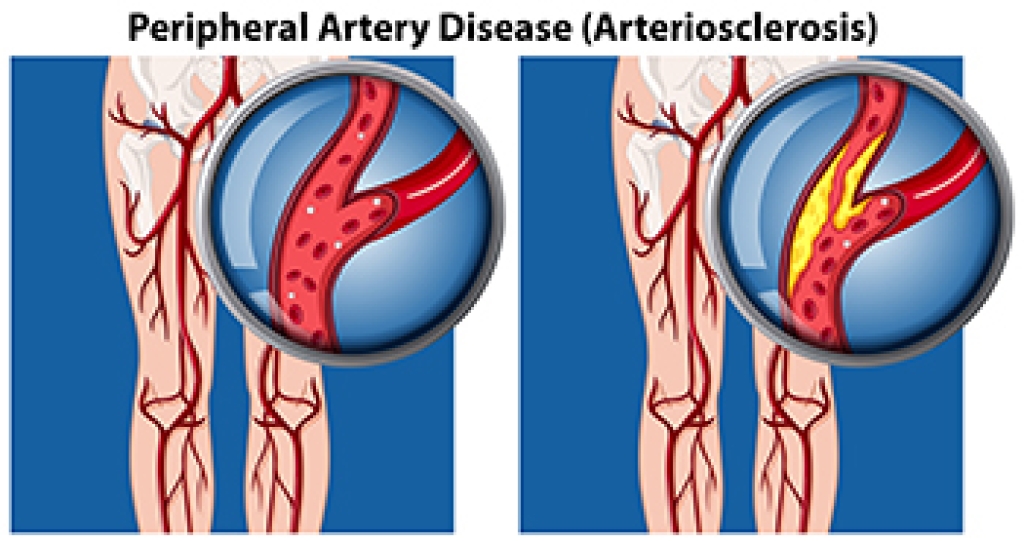
Peripheral artery disease, known as PAD, occurs when the blood vessels in the legs and feet become narrowed or blocked, reducing blood flow. This leads to symptoms like leg pain, cramping, or fatigue, particularly when walking or exercising. PAD can also cause sores or ulcers that are slow to heal, or cold, pale feet. In severe cases, it can increase the risk of infections or even amputation, if left untreated. The primary cause of PAD is atherosclerosis, a condition where fatty deposits build up in the arteries. Risk factors include smoking, diabetes, high blood pressure, and high cholesterol. Treatment for PAD often involves lifestyle changes, such as quitting smoking, exercising, and managing blood sugar and cholesterol levels. Medications or surgery may be necessary in more advanced cases. A podiatrist can assess your condition, provide effective treatments, and help prevent complications. If you are experiencing symptoms of PAD, it is suggested that you schedule an appointment with a podiatrist.

Peripheral artery disease can pose a serious risk to your health. It can increase the risk of stroke and heart attack. If you have symptoms of peripheral artery disease, consult with Dr. Jeff Brooks from Oceanside Foot & Ankle Center. Our doctor will assess your condition and provide you with quality foot and ankle treatment.

Peripheral artery disease (PAD) is when arteries are constricted due to plaque (fatty deposits) build-up. This results in less blood flow to the legs and other extremities. The main cause of PAD is atherosclerosis, in which plaque builds up in the arteries.

Symptoms

Symptoms of PAD include:

  • Claudication (leg pain from walking)
  • Numbness in legs
  • Decrease in growth of leg hair and toenails
  • Paleness of the skin
  • Erectile dysfunction
  • Sores and wounds on legs and feet that won’t heal
  • Coldness in one leg

It is important to note that a majority of individuals never show any symptoms of PAD.

Diagnosis

While PAD occurs in the legs and arteries, Podiatrists can diagnose PAD. Podiatrists utilize a test called an ankle-brachial index (ABI). An ABI test compares blood pressure in your arm to you ankle to see if any abnormality occurs. Ultrasound and imaging devices may also be used.

Treatment

Fortunately, lifestyle changes such as maintaining a healthy diet, exercising, managing cholesterol and blood sugar levels, and quitting smoking, can all treat PAD. Medications that prevent clots from occurring can be prescribed. Finally, in some cases, surgery may be recommended.

If you have any questions, please feel free to contact our office located in Oceanside, CA . We offer the newest diagnostic and treatment technologies for all your foot care needs.
Read more about Peripheral Artery Disease

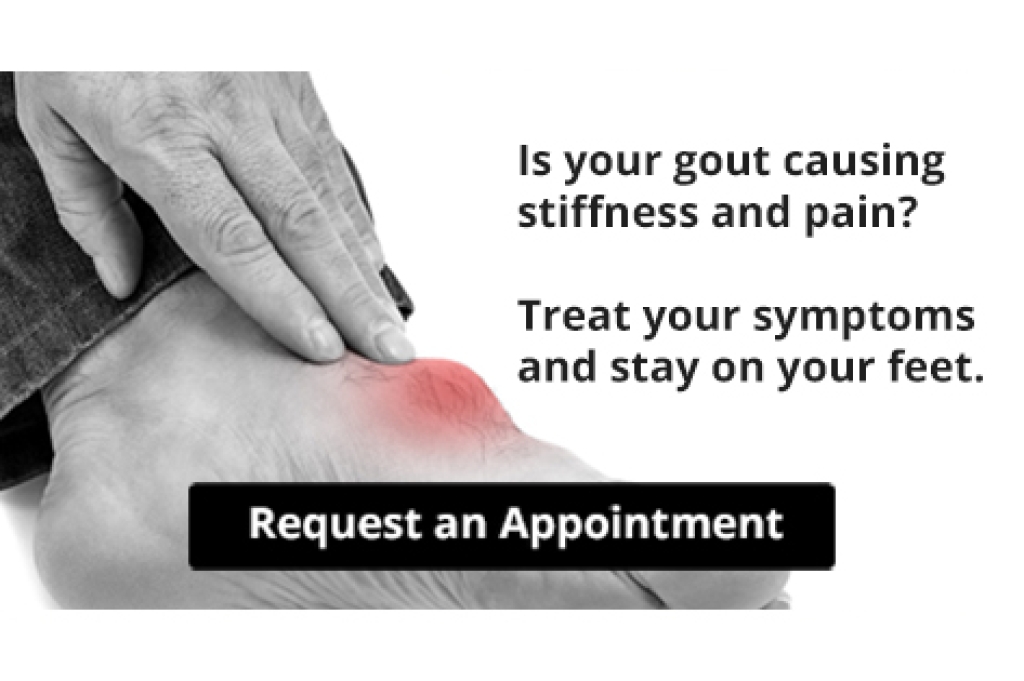
Gout Pain Can Be Managed

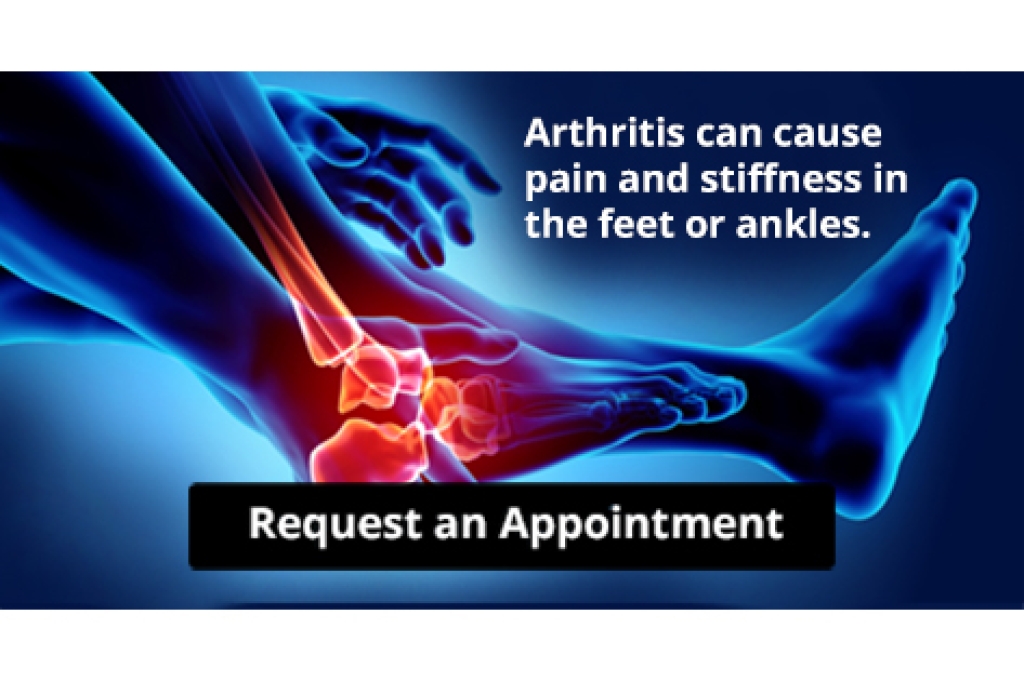
Gout is a painful, inflammatory form of arthritis. Those affected will typically feel an intense stiffness in the joints of their feet, particularly in the big toe. Schedule a visit to learn about how gout can be managed and treated.

Mueller-Weisse Disease: A Congenital Foot Condition

Mueller-Weisse disease is a rare congenital foot condition that affects the bones and structures in the arch of the foot. It occurs when the arch fails to develop properly during early childhood, leading to an abnormal shape of the foot. The exact cause of Mueller-Weisse disease is not fully understood, but it is believed to involve genetic factors that impact the formation of the tarsal bones. Symptoms of the condition include a flat or collapsed arch, pain in the midfoot or heel, and difficulty walking or standing for long periods. As the condition progresses, the foot may become more rigid and less flexible. Early diagnosis and treatment are essential for managing symptoms, which may include custom orthotics, or in severe cases, surgery to improve function and comfort. If your child has been born with this condition, it is suggested that you include a podiatrist on your healthcare team who can help you to manage Mueller-Weisse disease.

Some foot conditions may require additional professional care. If you have any concerns, contact Dr. Jeff Brooks of Oceanside Foot & Ankle Center. Our doctor can provide the care you need to keep you pain-free and on your feet.

Rare Foot Conditions

The majority of foot conditions are common and can be treated by a podiatrist.  Standard diagnostic procedures are generally used to identify specific conditions and treatment can be rendered. A podiatrist also treats rare foot conditions which can be difficult to diagnose and may need extra attention and care. 

There are many rare foot conditions that can affect children. Some of these can include:

  • Freiberg’s disease
  • Kohler’s disease
  • Maffucci syndrome

Freiberg’s disease - This can be seen as a deterioration and flattening of a metatarsal bone that exists in the ball of the foot. It typically affects pre-teen and teenage girls, but can affect anyone at any age. Symptoms that can accompany this can be swelling, stiffness, and the patient may limp. 

Kohler’s disease - This often targets the bone in the arch of the foot and affects younger boys. It can lead to an interruption of the blood supply which ultimately can lead to bone deterioration. The patient may limp or experience tenderness, swelling, and redness.

Maffucci syndrome - This affects the long bones in a child’s foot leading to the development of abnormal bone lesions. They are benign growths and typically develop in early childhood and the bones may be susceptible to breaking. 

A podiatrist can properly diagnose and treat all types of rare foot conditions. If your child is affected by any of these symptoms or conditions, please don’t hesitate to call our office so the correct treatment method can begin.

If you have any questions, please feel free to contact our office located in Oceanside, CA . We offer the newest diagnostic and treatment technologies for all your foot care needs.
Read more about Rare Foot Conditions
scroll to top