In-home visits and Telehealth appointments available. Call/text us to schedule.

What Causes Burning Pain in the Heel?

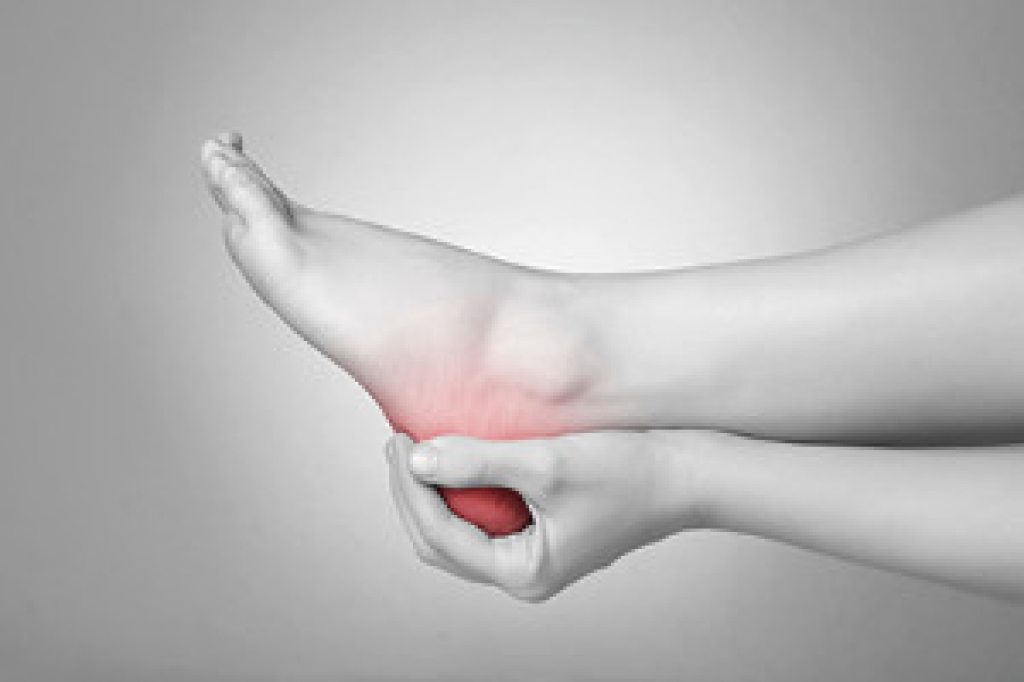
A burning sensation in the heel can be a troubling symptom. Burning pain in the heel or bottom of the foot that has a tingling or prickling quality, causes numbness, feels hot, and is worse at night may be indicative of nerve damage or  a disorder affecting the nerves that supply the foot. There are many conditions that can cause this type of damage, including diabetic neuropathy, physical trauma or injuries, tarsal tunnel syndrome, autoimmune diseases, and certain infections. If you have burning heel pain, it is suggested that you visit a podiatrist. A podiatrist can help diagnose the cause of your pain and find the right treatment for you.  

Many people suffer from bouts of heel pain. For more information, contact Dr. Jeff Brooks of Oceanside Foot & Ankle Center. Our doctor can provide the care you need to keep you pain-free and on your feet.

Causes of Heel Pain

Heel pain is often associated with plantar fasciitis. The plantar fascia is a band of tissues that extends along the bottom of the foot. A rip or tear in this ligament can cause inflammation of the tissue.

Achilles tendonitis is another cause of heel pain. Inflammation of the Achilles tendon will cause pain from fractures and muscle tearing. Lack of flexibility is also another symptom.

Heel spurs are another cause of pain. When the tissues of the plantar fascia undergo a great deal of stress, it can lead to ligament separation from the heel bone, causing heel spurs.

Why Might Heel Pain Occur?

  • Wearing ill-fitting shoes                
  • Wearing non-supportive shoes
  • Weight change           
  • Excessive running

Treatments

Heel pain should be treated as soon as possible for immediate results. Keeping your feet in a stress-free environment will help. If you suffer from Achilles tendonitis or plantar fasciitis, applying ice will reduce the swelling. Stretching before an exercise like running will help the muscles. Using all these tips will help make heel pain a condition of the past.

If you have any questions, please feel free to contact our office located in Oceanside, CA . We offer the newest diagnostic and treatment technologies for all your foot care needs.

Read more about Heel Pain

Plantar Warts Can Be Treated!

Plantar warts are small growths that develop on parts of the feet that bear weight. They're typically found on the bottom of the foot. Don't live with plantar warts, and call us today!

Finding Relief From Gout Pain

Severe pain and discomfort are symptoms that often accompany the foot condition that is known as gout. In many patients, the pain can be so debilitating that it can cause an inability to walk. Gout is considered to be a form of arthritis, and it is caused by excess amounts of uric acid in the blood. Gout may develop as a result of eating specific foods that have elevated levels of purines. These can include red meat, shellfish, and drinks that have a large sugar content. Frequently eating these types of foods may cause crystal-like deposits to form in the joints of the big toe, and the entire foot may become irritated and inflamed. Mild relief may be found when healthy eating habits are implemented, including eating fruits and vegetables, in addition to drinking plenty of water daily. If you believe you may have gout, it is strongly suggested that you are under the care of a podiatrist who can help you to manage and treat this condition.

Gout is a painful condition that can be treated. If you are seeking treatment, contact Dr. Jeff Brooks from Oceanside Foot & Ankle Center. Our doctor will treat your foot and ankle needs.

What Is Gout?

Gout is a form of arthritis that is characterized by sudden, severe attacks of pain, redness, and tenderness in the joints. The condition usually affects the joint at the base of the big toe. A gout attack can occur at any random time, such as the middle of the night while you are asleep.

Symptoms

  • Intense Joint Pain - Usually around the large joint of your big toe, and it most severe within the first four to twelve hours
  • Lingering Discomfort - Joint discomfort may last from a few days to a few weeks
  • Inflammation and Redness -Affected joints may become swollen, tender, warm and red
  • Limited Range of Motion - May experience a decrease in joint mobility

Risk Factors

  • Genetics - If family members have gout, you’re more likely to have it
  • Medications - Diuretic medications can raise uric acid levels
  • Gender/Age - Gout is more common in men until the age of 60. It is believed that estrogen protects women until that point
  • Diet - Eating red meat and shellfish increases your risk
  • Alcohol - Having more than two alcoholic drinks per day increases your risk
  • Obesity - Obese people are at a higher risk for gout

Prior to visiting your podiatrist to receive treatment for gout, there are a few things you should do beforehand. If you have gout you should write down your symptoms--including when they started and how often you experience them, important medical information you may have, and any questions you may have. Writing down these three things will help your podiatrist in assessing your specific situation so that he or she may provide the best route of treatment for you.

If you have any questions, please feel free to contact our office located in Oceanside, CA . We offer the newest diagnostic and treatment technologies for all your foot care needs.

Read more about Gout

How Do I Know if I Broke My Toe?

A broken toe is typically the result of trauma. Some examples include stubbing your toe against a piece of furniture, dropping something on your toe, or forcefully bending the toe while playing sports. In some cases small but repetitive injuries to the toe, especially from exercises like running and jumping, can cause a small crack to form in the bone known as a stress fracture. Symptoms of a broken toe include pain that worsens when the affected toe is moved or touched, swelling, bruising, and a decreased range of motion. You may hear a snap or pop in the toe at the time of injury which indicates that the bone may be affected. In more serious cases, the affected toe may look deformed, be pointed in the wrong direction, or be twisted outside of its normal position. Broken toes are diagnosed through physical examination and X-rays. If you believe you have broken your toe it is recommended that you seek the care of a podiatrist.   

A broken toe can be very painful and lead to complications if not properly fixed. If you have any concerns about your feet, contact Dr. Jeff Brooks from Oceanside Foot & Ankle Center. Our doctor will treat your foot and ankle needs.

What to Know About a Broken Toe

Although most people try to avoid foot trauma such as banging, stubbing, or dropping heavy objects on their feet, the unfortunate fact is that it is a common occurrence. Given the fact that toes are positioned in front of the feet, they typically sustain the brunt of such trauma. When trauma occurs to a toe, the result can be a painful break (fracture).

Symptoms of a Broken Toe

  • Throbbing pain
  • Swelling
  • Bruising on the skin and toenail
  • The inability to move the toe
  • Toe appears crooked or disfigured
  • Tingling or numbness in the toe

Generally, it is best to stay off of the injured toe with the affected foot elevated.

Severe toe fractures may be treated with a splint, cast, and in some cases, minor surgery. Due to its position and the pressure it endures with daily activity, future complications can occur if the big toe is not properly treated.

If you have any questions, please feel free to contact our office located in Oceanside, CA . We offer the newest diagnostic and treatment technologies for all your foot care needs.

Read more about What to Know About a Broken Toe
scroll to top