
Suffering from this type of pain? You may have the foot condition known as Morton's neuroma. Morton's neuroma may develop as a result of ill-fitting footwear and existing foot deformities. We can help.
Suffering from this type of pain? You may have the foot condition known as Morton's neuroma. Morton's neuroma may develop as a result of ill-fitting footwear and existing foot deformities. We can help.
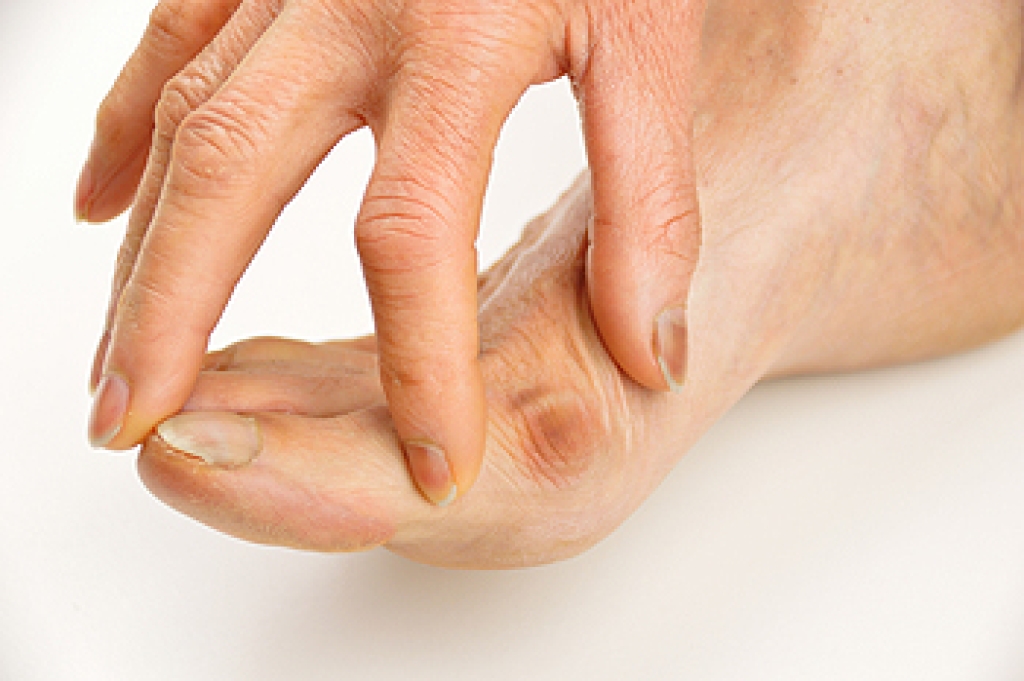 If you have a bony area on the side of your big toe, chances are that you may have a bunion. Typically a progressive disorder, bunions tend to be very painful and result from changes to your foot’s bone structure. Bunions have many causes, including a foot type that’s inherited or an uneven weight in the tendon, causing instability in the toe joint. Other problems that can potentially arise from bunions include calluses, arthritis, and difficulty in walking. Padding the toe or putting it in a splint may be a recommended first step. Surgery involving a corrective procedure to realign the joint may also be an option; another is repairing the ligaments. Consult with a podiatrist for a proper diagnosis and appropriate treatment options.
If you are suffering from bunions, contact Dr. Jeff Brooks of Oceanside Foot & Ankle Center. Our doctor can provide the care you need to keep you pain-free and on your feet.
What Is a Bunion?
A bunion is formed of swollen tissue or an enlargement of boney growth, usually located at the base joint of the toe that connects to the foot. The swelling occurs due to the bones in the big toe shifting inward, which impacts the other toes of the foot. This causes the area around the base of the big toe to become inflamed and painful.
Why Do Bunions Form?
Genetics – Susceptibility to bunions are often hereditary
Stress on the feet – Poorly fitted and uncomfortable footwear that places stress on feet, such as heels, can worsen existing bunions
How Are Bunions Diagnosed?
Podiatrists often perform two tests – blood tests and x-rays – when trying to diagnose bunions, especially in the early stages of development. Blood tests help determine if the foot pain is being caused by something else, such as arthritis, while x-rays provide a clear picture of your bone structure to your provider.
How Are Bunions Treated?
If you have any questions, please feel free to contact our offices located in Oceanside and Temecula, CA . We offer the newest diagnostic and treatment technologies for all your foot care needs.

Have your child's feet been examined lately? Healthy feet are happy feet. If your child is complaining of foot pain, it may be a sign of underlying problems.

Wearing high heels or shoes that are too tight may lead to hammertoe, which is a painful foot condition resulting from a muscle imbalance in the toes. This causes the ligaments and tendons to become tight and causes the toes to curl. Hammertoe can further possibly lead to conditions such as sores, calluses and corns. Typically the second, third or fourth toe are affected, and wearing lower-heeled shoes can help ease the pain. One can avoid developing a hammertoe by choosing the right pair of shoes for you, ideally where the top of the shoe is wide enough to accommodate the hammertoe. Another option is a toe splint, which can reduce friction and is specifically designed for this condition. Gel toe shields and caps are also recommended to provide comfort and and relieve pain. Please consult a podiatrist for a proper diagnosis and treatment options if the pain persists.
Hammertoe
Hammertoes can be a painful condition to live with. For more information, contact Dr. Jeff Brooks from Oceanside Foot & Ankle Center. Our doctor will answer any of your foot- and ankle-related questions.
Hammertoe is a foot deformity that affects the joints of the second, third, fourth, or fifth toes of your feet. It is a painful foot condition in which these toes curl and arch up, which can often lead to pain when wearing footwear.
Symptoms
Causes
Genetics – People who are genetically predisposed to hammertoe are often more susceptible
Arthritis – Because arthritis affects the joints in your toes, further deformities stemming from arthritis can occur
Trauma – Direct trauma to the toes could potentially lead to hammertoe
Ill-fitting shoes – Undue pressure on the front of the toes from ill-fitting shoes can potentially lead to the development of hammertoe
Treatment
Orthotics – Custom made inserts can be used to help relieve pressure placed on the toes and therefore relieve some of the pain associated with it
Medications – Oral medications such as anti-inflammatories or NSAIDs could be used to treat the pain and inflammation hammertoes causes. Injections of corticosteroids are also sometimes used
Surgery – In more severe cases where the hammertoes have become more rigid, foot surgery is a potential option
If you have any questions, please feel free to contact our offices located in Oceanside and Temecula, CA . We offer the newest diagnostic and treatment technologies for all your foot care needs.