
Have your child's feet been examined lately? Healthy feet are happy feet. If your child is complaining of foot pain, it may be a sign of underlying problems.
Have your child's feet been examined lately? Healthy feet are happy feet. If your child is complaining of foot pain, it may be a sign of underlying problems.
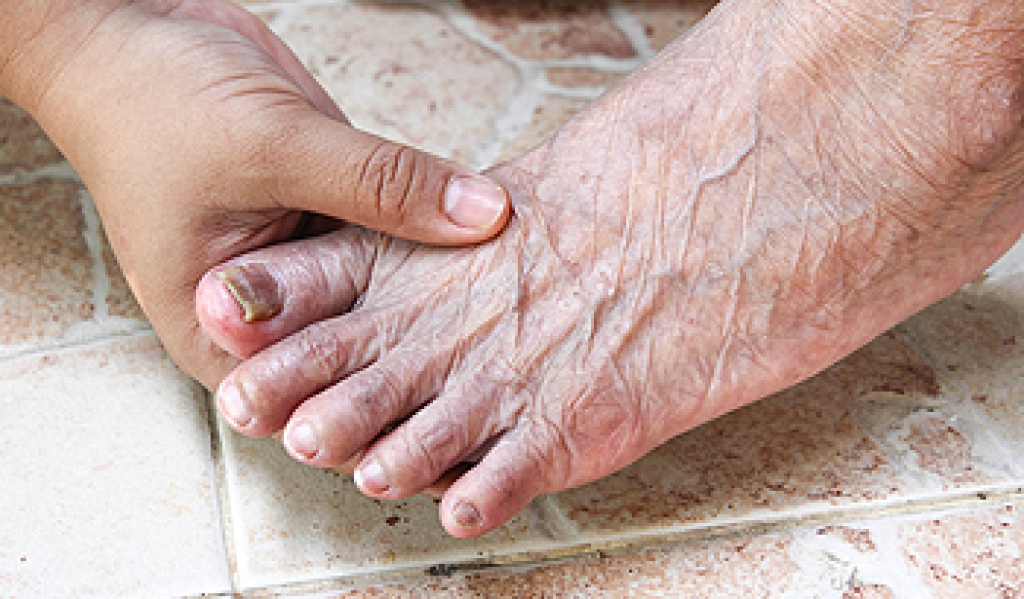
Toenail fungus, or onychomycosis, is a common infection where fungi infiltrate the nail bed, leading to discoloration, thickening, and brittleness. Visually, affected nails may appear yellow, brown, or white, and can become distorted or crumbly. This condition arises when fungi enter through cracks in the nail or surrounding skin, thriving in warm, moist environments. Risk factors include advanced age, diabetes, poor circulation, and a history of athlete's foot. Treatment options encompass oral antifungal medications, topical treatments, and in some cases, surgical removal of the affected nail. Early intervention is critical to prevent the infection from spreading or causing further complications. If you suspect you have toenail fungus, it is suggested that you consult a podiatrist for an accurate diagnosis and personalized treatment plan.
For more information about treatment, contact Dr. Jeff Brooks of Oceanside Foot & Ankle Center. Our doctor can provide the care you need to keep you pain-free and on your feet.
Toenail Fungus Treatment
Toenail fungus is a condition that affects many people and can be especially hard to get rid of. Fortunately, there are several methods to go about treating and avoiding it.
Antifungals & Deterrence
Oral antifungal medicine has been shown to be effective in many cases. It is important to consult with a podiatrist to determine the proper regiment for you, or potentially explore other options.
Applying foot powder on the feet and shoes helps keep the feet free of moisture and sweat.
Sandals or open toed shoes – Wearing these will allow air movement and help keep feet dry. They also expose your feet to light, which fungus cannot tolerate. Socks with moisture wicking material also help as well.
If you have any questions please contact our offices located in Oceanside and Temecula, CA . We offer the newest diagnostic and treatment technologies for all your foot and ankle needs.

Your feet are covered most of the day. If you're diabetic, periodic screening is important for good health. Numbness is often a sign of diabetic foot and can mask a sore or wound.
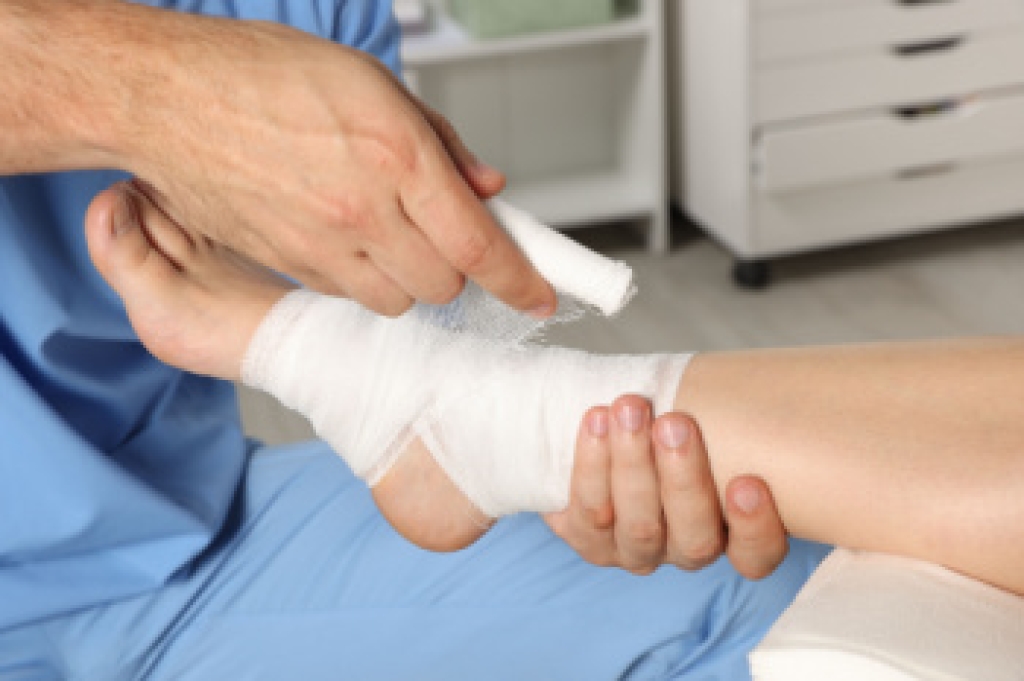
Stepping on a nail can lead to serious complications if not treated properly. When a nail punctures the foot, it creates a small but deep wound, allowing bacteria to enter and potentially cause infections like cellulitis, abscesses, or even bone infections. Tetanus, a rare but life-threatening condition, is also a risk if vaccinations are not current. Immediately after the injury, clean the wound thoroughly with soap and water, apply an antiseptic, and cover it with a sterile bandage. Avoid walking on the injured foot to prevent further damage. Seek medical attention even if the wound seems minor. A podiatrist can assess the depth of the injury, remove debris, prescribe antibiotics if needed, and recommend a tetanus booster. If you have a nail puncture wound, it is strongly suggested that you see a podiatrist for proper care.
Wound care is an important part in dealing with diabetes. If you have diabetes and a foot wound or would like more information about wound care for diabetics, consult with Dr. Jeff Brooks from Oceanside Foot & Ankle Center. Our doctor will assess your condition and provide you with quality foot and ankle treatment.
What Is Wound Care?
Wound care is the practice of taking proper care of a wound. This can range from the smallest to the largest of wounds. While everyone can benefit from proper wound care, it is much more important for diabetics. Diabetics often suffer from poor blood circulation which causes wounds to heal much slower than they would in a non-diabetic.
What Is the Importance of Wound Care?
While it may not seem apparent with small ulcers on the foot, for diabetics, any size ulcer can become infected. Diabetics often also suffer from neuropathy, or nerve loss. This means they might not even feel when they have an ulcer on their foot. If the wound becomes severely infected, amputation may be necessary. Therefore, it is of the upmost importance to properly care for any and all foot wounds.
How to Care for Wounds
The best way to care for foot wounds is to prevent them. For diabetics, this means daily inspections of the feet for any signs of abnormalities or ulcers. It is also recommended to see a podiatrist several times a year for a foot inspection. If you do have an ulcer, run the wound under water to clear dirt from the wound; then apply antibiotic ointment to the wound and cover with a bandage. Bandages should be changed daily and keeping pressure off the wound is smart. It is advised to see a podiatrist, who can keep an eye on it.
If you have any questions please contact our offices located in Oceanside and Temecula, CA . We offer the newest diagnostic and treatment technologies for all your foot and ankle needs.

You don't need an excuse to have beautiful nails. Step outside without worrying about the appearance of your feet.
