
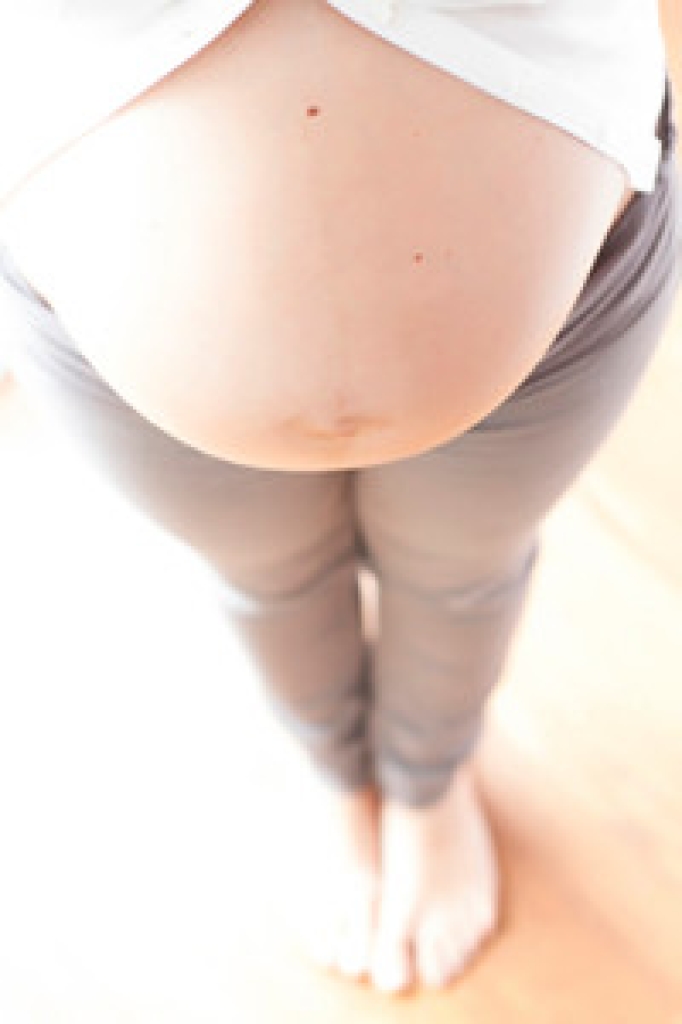
 A common ailment many women complain of during pregnancy is swollen feet. It generally occurs during the third trimester as a result of fluid retention and typically collects in the feet and ankles. It’s important to be aware of excessive swelling, as it may be an indication of a possible blood clot. If the feet become reddened or pain is noticed while pointing and flexing the foot, serious health issues may be present. Possible causes may include ingesting foods laden with excessive salt or lacking potassium in the diet. Additionally, a change in environment, such as extreme heat or consuming an overabundance of caffeine, may all be reasons why swollen feet occur. There are several ways to treat and prevent this condition, including resting the feet as much as possible. Exercising regularly is often recommended for treating swollen feet, in addition to drinking plenty of water.
Pregnant women with swollen feet can be treated with a variety of different methods that are readily available. For more information about other cures for swollen feet during pregnancy, consult with Dr. Jeff Brooks from Oceanside Foot & Ankle Center. Our doctor will attend to all of your foot and ankle needs.
What Foot Problems Can Arise During Pregnancy?
One problem that can occur is overpronation, which occurs when the arch of the foot flattens and tends to roll inward. This can cause pain and discomfort in your heels while you’re walking or even just standing up, trying to support your baby.
Another problem is edema, or swelling in the extremities. This often affects the feet during pregnancy but tends to occur in the later stages.
How Can I Keep My Feet Healthy During Pregnancy?
If you have any questions, please feel free to contact our offices located in Oceanside and Temecula, CA . We offer the newest diagnostic and treatment technologies for all your foot care needs.
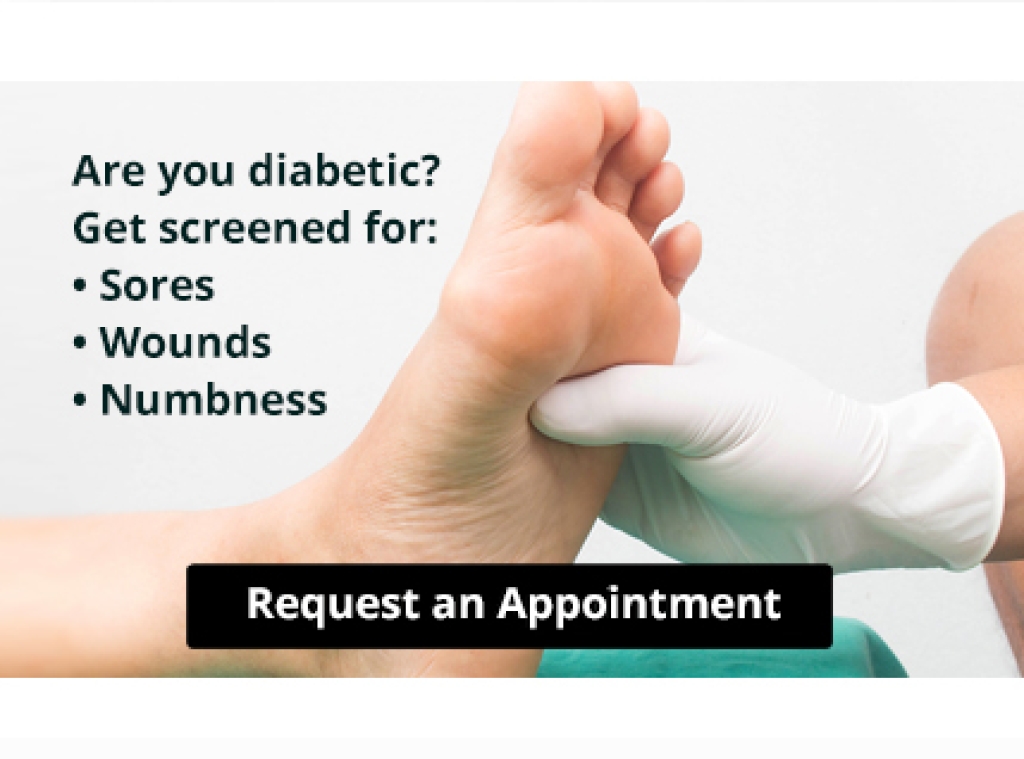
Your feet are covered most of the day. If you're diabetic, periodic screening is important for good health. Numbness is often a sign of diabetic foot and can mask a sore or wound.
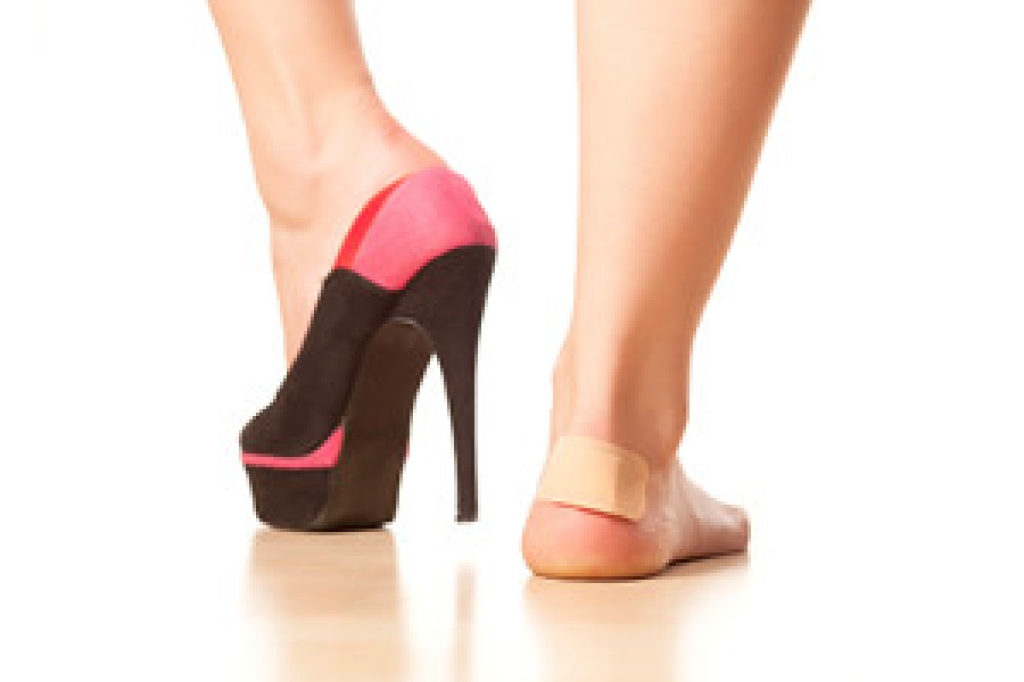 Wearing high heels may negate the fact that the feet act as shock absorbers. If proper shoes are worn, cushioning in the soles of the shoes generally protects the body from the constant battering incurred while walking and running. However, if the choice to wear high heels is made, the body’s weight shifts onto the balls of the feet, forcing the toes to be crammed into a small area and potentially resulting in all kinds of conditions. There are typically several reasons to avoid wearing high heels, one of which is abnormal movement occurring in the ankles. This can result from the foot being forced to bend forward, possibly restricting circulation in the feet. Additionally, the Achilles tendon is often affected which may cause pain in the calves. If high heels are consistently worn, the ankle and calf tendons may lose flexibility, making it difficult to walk. Good advice is to wear high heels as little as possible.
High heels have a history of causing foot and ankle problems. If you have any concerns about your feet or ankles, contact Dr. Jeff Brooks from Oceanside Foot & Ankle Center. Our doctor can provide the care you need to keep you pain-free and on your feet.
Effects of High Heels on the Feet
High heels are popular shoes among women because of their many styles and societal appeal. Despite this, high heels can still cause many health problems if worn too frequently.
Which Parts of My Body Will Be Affected by High Heels?
What Kinds of Foot Problems Can Develop from Wearing High Heels?
How Can I Still Wear High Heels and Maintain Foot Health?
If you want to wear high heeled shoes, make sure that you are not wearing them every day, as this will help prevent long term physical problems. Try wearing thicker heels as opposed to stilettos to distribute weight more evenly across the feet. Always make sure you are wearing the proper shoes for the right occasion, such as sneakers for exercising. If you walk to work, try carrying your heels with you and changing into them once you arrive at work. Adding inserts to your heels can help cushion your feet and absorb shock. Full foot inserts or metatarsal pads are available.
If you have any questions, please feel free to contact our offices located in Oceanside and Temecula, CA . We offer the newest diagnostic and treatment technologies for all your foot care needs.

You don't need an excuse to have beautiful nails. Step outside without worrying about the appearance of your feet.
