
In-home visits and Telehealth appointments available. Call/text us to schedule.

Causes of Second Toe Pain

Second toe pain, though often dismissed as a minor inconvenience, can reveal underlying issues that demand attention. The causes of this discomfort are diverse and can range from mechanical factors to underlying health conditions. Ill-fitting footwear, particularly shoes that squeeze the toes or have inadequate arch support, can contribute to pain in the second toe. Structural abnormalities, such as hammertoe or a longer second toe, may also be culprits. Injuries, whether acute or from repetitive stress, can lead to pain and inflammation. Arthritis affecting the joints in the toe, or conditions like Morton's neuroma, wherein a nerve becomes irritated, can contribute to discomfort as well. Understanding the multifaceted nature of second toe pain is important for identifying the root cause and seeking appropriate medical care. If you are experiencing pain in your second toe, it is suggested that you schedule an appointment with a podiatrist who can determine the cause and offer appropriate treatment options.

Toe pain can disrupt your daily activities. If you have any concerns, contact Dr. Jeff Brooks of Oceanside Foot & Ankle Center. Our doctor can provide the care you need to keep you pain-free and on your feet.

What Causes Toe Pain?

Most severe toe pain is caused due to a sports injury, trauma from dropping something heavy on the toe, or bumping into something rigid. Other problems can develop over time for various reasons.

Toe pain can be caused by one or more ailments. The most common include:

  • Trauma
  • Sports injury
  • Wearing shoes that are too tight
  • Arthritis
  • Gout
  • Corns and calluses
  • Hammertoe
  • Bunions
  • Blisters
  • Ingrown toenails
  • Sprains
  • Fractures (broken bones)
  • Dislocations

When to See a Podiatrist

  • Severe pain
  • Persistent pain that lasts more than a week
  • Signs of infection
  • Continued swelling
  • Pain that prevents walking

Diagnosis

In many cases the cause of toe pain is obvious, but in others, a podiatrist may want to use more advanced methods to determine the problem. These can range from simple visual inspections and sensation tests to X-rays and MRI scans. Prior medical history, family medical history, and any recent physical traumatic events will all be taken into consideration for a proper diagnosis.

Treatment

Treatments for toe pain and injuries vary and may include shoe inserts, padding, taping, medicines, injections, and in some cases, surgery. If you believe that you have broken a toe, please see a podiatrist as soon as possible.

If you have any questions please contact our office located in Oceanside, CA . We offer the newest diagnostic and treatment technologies for all your foot and ankle needs.

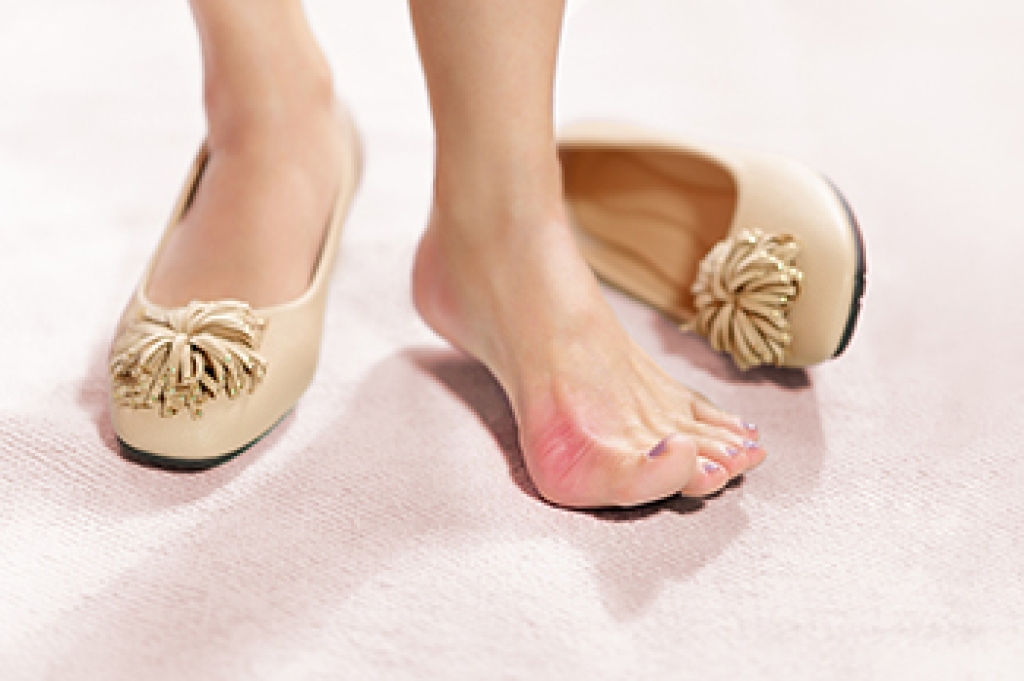
Read more about Toe Pain

Gout Pain Can Be Managed

Gout is a painful, inflammatory form of arthritis. Those affected will typically feel an intense stiffness in the joints of their feet, particularly in the big toe. Schedule a visit to learn about how gout can be managed and treated.

Less Invasive Bunion Surgery

Foot surgery is typically advised when less invasive treatments fail, or if the foot condition's long-term prognosis is poor. Patients often worry about perceived risks such as infection, swelling, and pain, as well as extended recovery periods impacting work and activities. However, these concerns are mainly linked to outdated surgical methods. Modern foot surgery, particularly minimally invasive techniques, uses smaller incisions and less surgical time, reducing postoperative risks and shortening recovery. For instance, bunion surgery has evolved from traditional open methods requiring larger incisions to keyhole surgeries with minimal incisions. This approach lessens infection risks, pain, and speeds up recovery. If you have a bunion or another foot condition that is not improving, it is suggested that you make an appointment with a podiatrist to see if you can benefit from minimally invasive foot surgery.

If you are suffering from bunion pain, contact Dr. Jeff Brooks of Oceanside Foot & Ankle Center. Our doctor can provide the care you need to keep you pain-free and on your feet.

What Is a Bunion?

Bunions are painful bony bumps that usually develop on the inside of the foot at the joint of the big toe. As the deformity increases over time, it may become painful to walk and wear shoes. Women are more likely to exacerbate existing bunions since they often wear tight, narrow shoes that shift their toes together. Bunion pain can be relieved by wearing wider shoes with enough room for the toes.

Causes

  • Genetics – some people inherit feet that are more prone to bunion development
  • Inflammatory Conditions - rheumatoid arthritis and polio may cause bunion development

Symptoms

  • Redness and inflammation
  • Pain and tenderness
  • Callus or corns on the bump
  • Restricted motion in the big toe

In order to diagnose your bunion, your podiatrist may ask about your medical history, symptoms, and general health. Your doctor might also order an x-ray to take a closer look at your feet. Nonsurgical treatment options include orthotics, padding, icing, changes in footwear, and medication. If nonsurgical treatments don’t alleviate your bunion pain, surgery may be necessary.

If you have any questions, please feel free to contact our office located in Oceanside, CA . We offer the newest diagnostic and treatment technologies for all your foot care needs.

Read more about What Are Bunions?

Are Bunions Affecting Your Everyday Life?

Have you noticed a bony protrusion on the side of your big toe? If so, you may have developed the foot condition known as a bunion. Don't let bunions interfere with your daily activities.

Definition and Causes of Tarsal Tunnel Syndrome

Tarsal tunnel syndrome, abbreviated TTS, is a relatively rare but painful condition involving the compression of the tibial nerve as it passes through the tarsal tunnel, a narrow passageway on the inside of the ankle. The tarsal tunnel is enclosed by bone and ligaments, and when pressure is exerted on the tibial nerve within this space, it can lead to TTS. The exact causes of tarsal tunnel syndrome can vary, but common factors include injury or trauma to the ankle, such as sprains or fractures, which may lead to swelling and compression of the nerve. Overpronation, where the foot rolls excessively inward, can also place additional stress on the tibial nerve. Other factors contributing to TTS may include systemic conditions like diabetes, which can result in nerve inflammation and entrapment. Recognizing the potential causes of tarsal tunnel syndrome is essential in seeking appropriate medical care and taking preventive measures to alleviate this painful condition. If you have foot pain, it is suggested that you contact a podiatrist who can accurately diagnose and treat tarsal tunnel syndrome.

Tarsal tunnel syndrome can be very uncomfortable to live with. If you are experiencing tarsal tunnel syndrome, contact Dr. Jeff Brooks of Oceanside Foot & Ankle Center. Our doctor can provide the care you need to keep you pain-free and on your feet.

Tarsal Tunnel Syndrome

Tarsal tunnel syndrome, which can also be called tibial nerve dysfunction, is an uncommon condition of misfiring peripheral nerves in the foot. The tibial nerve is the peripheral nerve in the leg responsible for sensation and movement of the foot and calf muscles. In tarsal tunnel syndrome, the tibial nerve is damaged, causing problems with movement and feeling in the foot of the affected leg.

Common Cause of Tarsal Tunnel Syndrome

  • Involves pressure or an injury, direct pressure on the tibial nerve for an extended period of time, sometimes caused by other body structures close by or near the knee.
  • Diseases that damage nerves, including diabetes, may cause tarsal tunnel syndrome.
  • At times, tarsal tunnel syndrome can appear without an obvious cause in some cases.

The Effects of Tarsal Tunnel Syndrome

  • Different sensations, an afflicted person may experience pain, tingling, burning or other unusual sensations in the foot of the affected leg.
  • The foot muscles, toes and ankle become weaker, and curling your toes or flexing your foot can become difficult.
  • If condition worsens, infections and ulcers may develop on the foot that is experiencing the syndrome.

A physical exam of the leg can help identify the presence of tarsal tunnel syndrome. Medical tests, such as a nerve biopsy, are also used to diagnose the condition. Patients may receive physical therapy and prescriptive medication. In extreme cases, some may require surgery.

If you have any questions please contact our office located in Oceanside, CA . We offer the newest diagnostic and treatment technologies for all your foot and ankle needs.

Read more about Treating Tarsal Tunnel Syndrome
scroll to top