In-home visits and Telehealth appointments available. Call/text us to schedule.

Cutting Ingrown Toenails

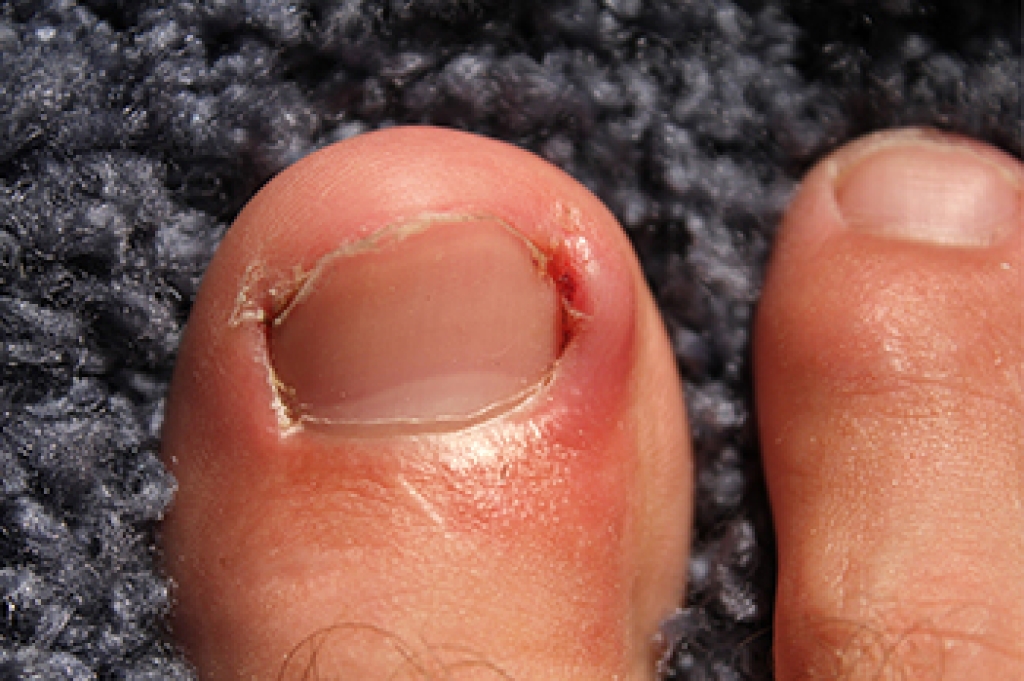
Many individuals are affected with the foot condition known as ingrown toenails. This condition occurs when the side of the nail grows into the skin surrounding the toenail. As a result, the skin will grow overtop of the nail. This might cause pain. Many people affected with ingrown toenails are curious about how they might go about cutting an ingrown toenail. Generally, it is best to seek the help of a podiatrist to cut an ingrown toenail because doing so by oneself can potentially be damaging. If someone cuts the nail too short, they may be putting themselves at an increased risk of encouraging another ingrown toenail to develop. Also, when an inexperienced person attempts to cut an ingrown toenail, they might be increasing their susceptibility to infection. Under the care of a podiatrist, a patient can receive the care that they need to treat the underlying problem. If you have an ingrown toenail, contact a podiatrist today for an appointment.

Ingrown toenails can become painful if they are not treated properly. For more information about ingrown toenails, contact Dr. Jeff Brooks of Oceanside Foot & Ankle Center. Our doctor can provide the care you need to keep you pain-free and on your feet.

Ingrown Toenails

Ingrown toenails occur when a toenail grows sideways into the bed of the nail, causing pain, swelling, and possibly infection.

Causes

  • Bacterial infections
  • Improper nail cutting such as cutting it too short or not straight across
  • Trauma to the toe, such as stubbing, which causes the nail to grow back irregularly
  • Ill-fitting shoes that bunch the toes too close together
  • Genetic predisposition

Prevention

Wearing proper fitting shoes and using proper cutting techniques will also help decrease your risk of developing ingrown toenails.

Treatment

Ingrown toenails are a very treatable foot condition. In minor cases, soaking the affected area in salt or antibacterial soaps will not only help with the ingrown nail itself, but also help prevent any infections from occurring. In more severe cases, surgery is an option. In either case, speaking to your podiatrist about this condition will help you get a better understanding of specific treatment options that are right for you.

If you have any questions, please feel free to contact our office located in Oceanside, CA . We offer the newest diagnostic and treatment technologies for all your foot care needs.
Read more about Ingrown Toenail Care

Heel Pain Can Be Treated!

Do you suffer from heel pain when you get up in the morning? If so, you should seek professional help and have a proper diagnosis performed. Heel pain can be caused by several different foot-related conditions.

How Orthotics Affect Your Feet

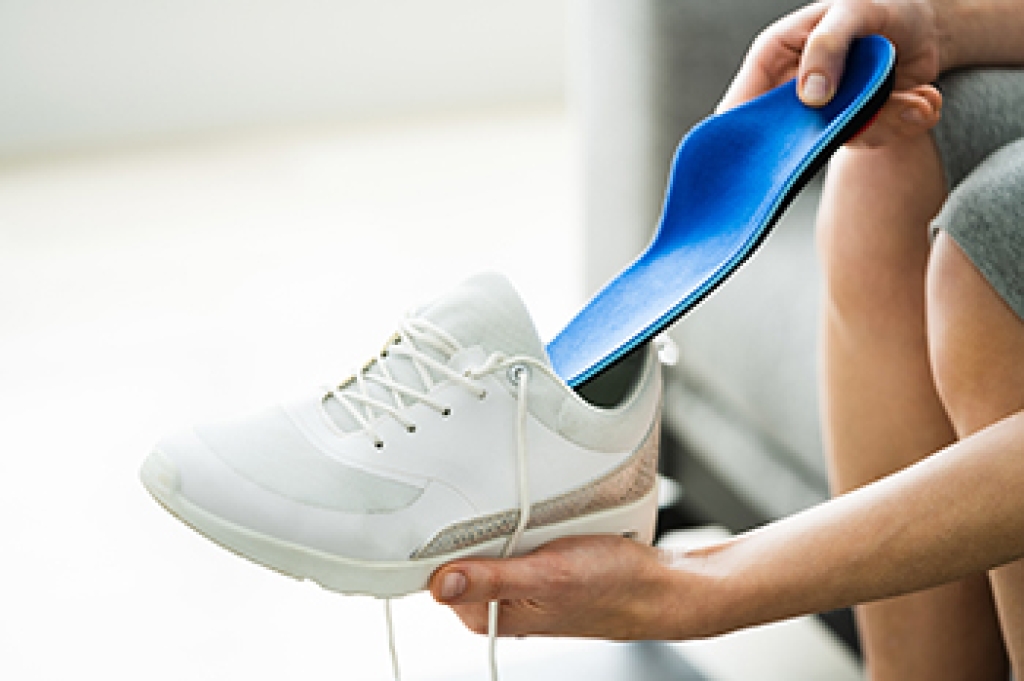
Sometimes the best way to deal with pain in your feet is to wear orthotic devices in your shoes. These inserts can help to support, align, and compensate for deformities you may have that affect your gait or induce pain. Orthotic devices are often recommended for people who have flat feet, as they often cause the foot to roll inward. This movement on a regular basis can further lead to plantar fasciitis, Achilles tendonitis, and other tendon ailments in the foot. If you have flat feet, an orthotic device can compensate by supplying the proper cushioning for the arch, while correcting foot placement. These devices not only can correct the foot problem you may be experiencing, but also help with any leg and knee pain that may result from it. A podiatrist can prescribe a custom orthotic device that best suits your specific needs, taking into account the type of problem, its severity, and its repercussions. 

If you are having discomfort in your feet and would like to try orthotics, contact Dr. Jeff Brooks from Oceanside Foot & Ankle Center. Our doctor can provide the care you need to keep you pain-free and on your feet.

What Are Orthotics?

Orthotics are inserts you can place into your shoes to help with a variety of foot problems such as flat feet or foot pain. Orthotics provide relief and comfort for minor foot and heel pain but can’t correct serious biomechanical problems in your feet.

Over-the-Counter Inserts

Orthotics come in a wide variety of over-the-counter inserts that are used to treat foot pain, heel pain, and minor problems. For example, arch supports can be inserted into your shoes to help correct overarched or flat feet, while gel insoles are often used because they provide comfort and relief from foot and heel pain by alleviating pressure.

Prescription Orthotics

If over-the-counter inserts don’t work for you or if you have a more severe foot concern, it is possible to have your podiatrist prescribe custom orthotics. These high-quality inserts are designed to treat problems such as abnormal motion, plantar fasciitis, and severe forms of heel pain. They can even be used to help patients suffering from diabetes by treating foot ulcers and painful calluses and are usually molded to your feet individually, which allows them to provide full support and comfort.

If you are experiencing minor to severe foot or heel pain, it’s recommended to speak with your podiatrist about the possibilities of using orthotics. A podiatrist can determine which type of orthotic is right for you and allow you to take the first steps towards being pain-free.

If you have any questions, please feel free to contact our office located in Oceanside, CA . We offer the newest diagnostic and treatment technologies for all your foot care needs.
Read more about Foot Orthotics

Plantar Warts Can Be Treated!

Plantar warts are small growths that develop on parts of the feet that bear weight. They're typically found on the bottom of the foot. Don't live with plantar warts, and call us today!

What Are Corn Pads?

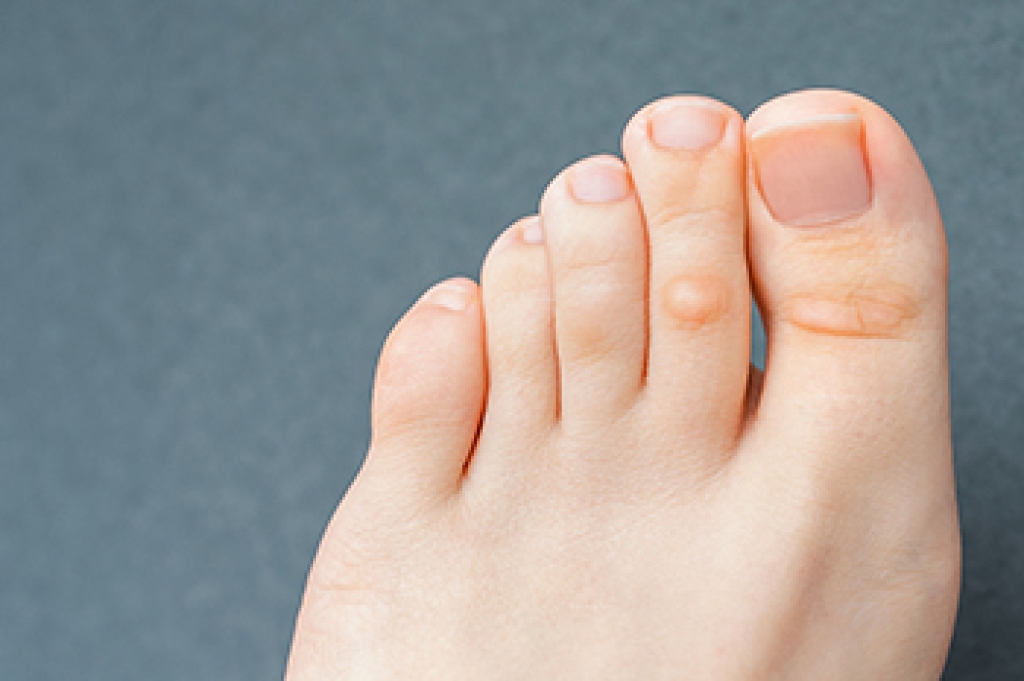
Corns of the feet can develop when a specific area of the foot is exposed to a significant amount of pressure or friction. Corns, thickened areas of skin, grow in response. There are many steps that an individual might consider taking to mitigate the effect that corns can have on the health of their feet. One mitigation technique to reduce discomfort from corns is known as corn pads. These pads are shaped like a doughnut and are meant to be adhered to the affected area, with the corn in the center hole. These corn pads are typically made of various materials, including foam and moleskin. Contact a podiatrist today for more information about how corn pads can help you.

If you have any concerns regarding your feet and ankles, contact Dr. Jeff Brooks of Oceanside Foot & Ankle Center. Our doctor will treat your foot and ankle needs.

Corns: What Are They? and How Do You Get Rid of Them?
Corns can be described as areas of the skin that have thickened to the point of becoming painful or irritating. They are often layers and layers of the skin that have become dry and rough, and are normally smaller than calluses.

Ways to Prevent Corns
There are many ways to get rid of painful corns such as wearing:

  • Well-fitting socks
  • Comfortable shoes that are not tight around your foot
  • Shoes that offer support

Treating Corns
Treatment of corns involves removing the dead skin that has built up in the specific area of the foot. Consult with Our doctor to determine the best treatment option for your case of corns.

If you have any questions, please feel free to contact our office located in Oceanside, CA . We offer the newest diagnostic and treatment technologies for all your foot care needs.

Read more about Understanding Corns and Calluses
scroll to top