In-home visits and Telehealth appointments available. Call/text us to schedule.

What Is the Ideal Shoe Like?

Finding the right shoes is a very important task, but sometimes it can be challenging. What should you look for when shopping for shoes? What should you avoid? We can come closer to answering these questions by describing the features that an ideal shoe should have, and why these features are important. An ideal shoe should fit snugly. You may want to look for shoes that have laces, velcro fasteners, or buckles, as well as a snug, stiff back to keep your feet from sliding when you walk. The shoe should be the correct size. Look for a shoe that leaves you with about a half inch of space between your longest toe and the end of the shoe. The inside of the shoe should be supportive and free of irritants. Look for an arch shape that supports your foot and a smooth lining without any rough seams. What about high heels? While they may look nice, excessively high heels can hurt your feet. When shopping for shoes, select heels that are no taller than 1.5 inches. For more information on finding the right shoes for you, consult with a podiatrist.   

It is important to find shoes that fit you properly in order to avoid a variety of different foot problems. For more information about treatment, contact Dr. Jeff Brooks from Oceanside Foot & Ankle Center. Our doctor will treat your foot and ankle needs.

Proper Shoe Fitting

Shoes have many different functions. They cushion our body weight, protect our feet, and allow us to safely play sports. You should always make sure that the shoes you wear fit you properly in order to avoid injuries and deformities such as: bunions, corns, calluses, hammertoes, plantar fasciitis, stress fractures, and more. It is important to note that although a certain pair of shoes might be a great fit for someone else, that doesn’t mean they will be a great fit for you. This is why you should always try on shoes before buying them to make sure they are worth the investment. Typically, shoes need to be replaced ever six months to one year of regular use.

Tips for Proper Shoe Fitting

  • Select a shoe that is shaped like your foot
  • Don’t buy shoes that fit too tight, expecting them to stretch to fit
  • Make sure there is enough space (3/8” to ½”) for your longest toe at the end of each shoe when you are standing up
  • Walk in the shoes to make sure they fit and feel right
  • Don’t select shoes by the size marked inside the shoe, but by how the shoe fits your foot

The shoes you buy should always feel as good as they look. Shoes that fit properly will last longer, feel better, and improve your way of life each day.

If you have any questions please contact our office located in Oceanside, CA . We offer the newest diagnostic and treatment technologies for all your foot and ankle needs.

Read more about Proper Shoe Fitting

Are You Suffering From Ingrown Toenails?

If left untreated, an ingrown toenail can lead to more serious concerns, such as an infection. Knowing proper nail care can help in the prevention of an ingrown toenail. Give us a call, and get treated!

Ways to Diagnose an Ankle Sprain

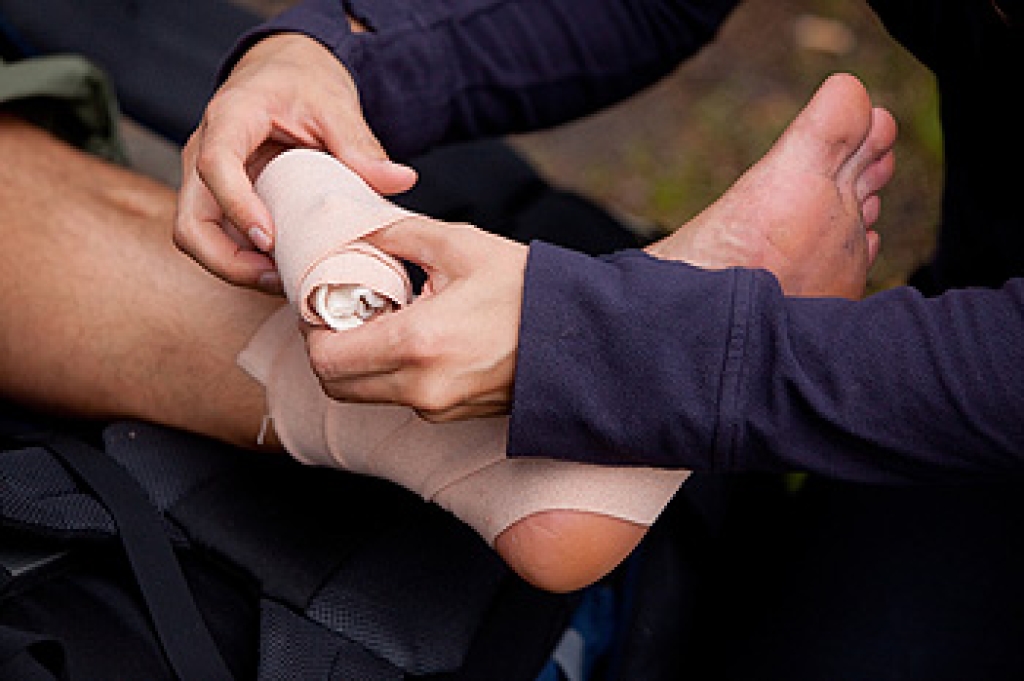
An ankle sprain is an injury to the ligaments that connect the bones of the leg to the foot. These ligaments are important, as they help keep the ankle bones in position as well as the ankle joint stable. This type of injury generally happens when you accidentally twist or turn your ankle in an awkward way. A podiatrist can diagnose an ankle sprain by performing a thorough physical examination of the affected foot and ankle. This includes touching the skin around the injury to check for areas of tenderness, and moving the foot to check the range of motion Sometimes, imaging scans may be performed to confirm the diagnosis and to rule out other possibilities, such as a broken bone. Examples of imaging scans that a podiatrist may use include X-rays, MRIs, CT scans, or ultrasounds. For more information about ankle sprains, please consult with a podiatrist. 


Although ankle sprains are common, they aren’t always minor injuries. If you need your ankle injury looked at, contact Dr. Jeff Brooks from Oceanside Foot & Ankle Center. Our doctor can provide the care you need to keep you pain-free and on your feet.

How Does an Ankle Sprain Occur?

Ankle sprains are the result of a tear in the ligaments within the ankle. These injuries may happen when you make a rapid shifting movement while your foot is planted. A less common way to sprain your ankle is when your ankle rolls inward while your foot turns outward.

What Are the Symptoms?

  • Pain at the sight of the tear
  • Bruising/Swelling
  • Ankle area is tender to touch
  • In severe cases, may hear/feel something tear
  • Skin discoloration

Preventing a Sprain

  • Wearing appropriate shoes for the occasion
  • Stretching before exercises and sports
  • Knowing your limits

Treatment of a Sprain

In many cases, the RICE method (Rest, Ice, Compression, and Elevate) is used to treat ankle sprains. However, you should see a podiatrist to see which treatment option would work best with your injury. In severe cases, surgery may be required.

It is important to ask your doctor about rehab options after you receive treatment for your injury. Stretching, strength training, and balance exercises may help the ankle heal while also preventing further injury.

If you have any questions, please feel free to contact our office located in Oceanside, CA . We offer the newest diagnostic and treatment technologies for all your foot care needs.

Read more about Ankle Sprains

Reminder: When Was the Last Time...?

Custom orthotics, or shoe inserts, should be periodically replaced. Orthotics must fit properly to give you the best results. Protect your feet and ankles!

An Overview of Morton's Neuroma

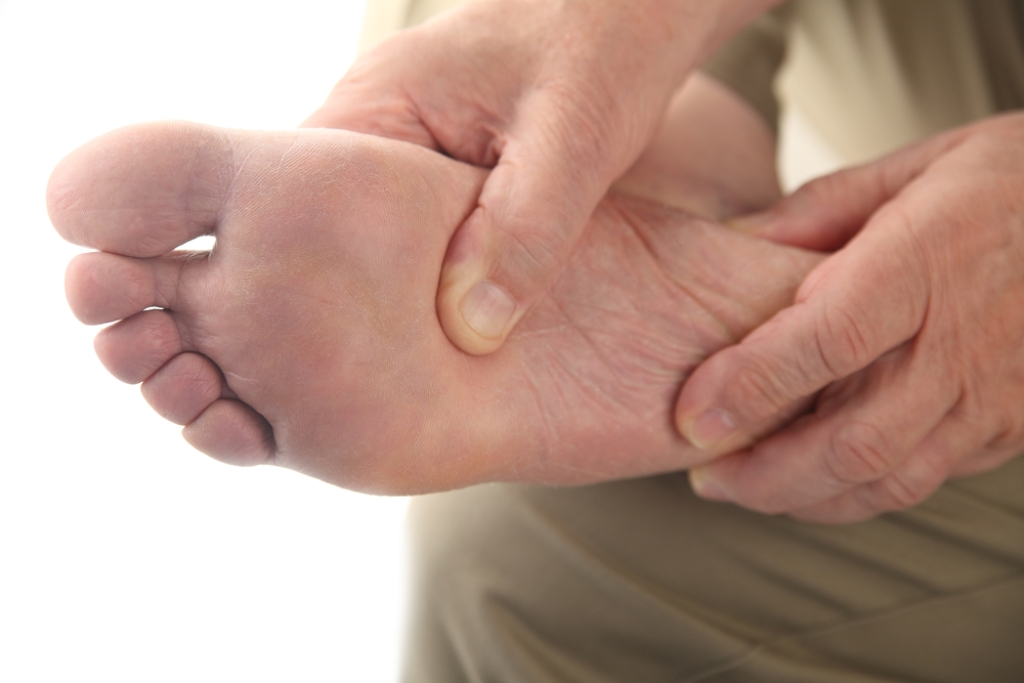
Morton’s neuroma is a condition that occurs when a nerve located near the base of the toes becomes compressed. This condition causes pain in the ball of the foot that has a burning quality and numbness that radiates to nearby toes. The pain from Morton's neuroma often increases while walking or when the ball of the foot is squeezed. Sometimes, the pain is severe enough to interfere with walking, leading to a limp. If you have symptoms of Morton’s neuroma, it is suggested that you see a podiatrist. A podiatrist can examine the affected foot, order diagnostic imaging tests, and provide treatment options. 

Morton’s neuroma is a very uncomfortable condition to live with. If you think you have Morton’s neuroma, contact Dr. Jeff Brooks of Oceanside Foot & Ankle Center. Our doctor will attend to all of your foot care needs and answer any of your related questions.  

Morton’s Neuroma

Morton's neuroma is a painful foot condition that commonly affects the areas between the second and third or third and fourth toe, although other areas of the foot are also susceptible. Morton’s neuroma is caused by an inflamed nerve in the foot that is being squeezed and aggravated by surrounding bones.

What Increases the Chances of Having Morton’s Neuroma?

  • Ill-fitting high heels or shoes that add pressure to the toe or foot
  • Jogging, running or any sport that involves constant impact to the foot
  • Flat feet, bunions, and any other foot deformities

Morton’s neuroma is a very treatable condition. Orthotics and shoe inserts can often be used to alleviate the pain on the forefront of the feet. In more severe cases, corticosteroids can also be prescribed. In order to figure out the best treatment for your neuroma, it’s recommended to seek the care of a podiatrist who can diagnose your condition and provide different treatment options.

If you have any questions, please feel free to contact our office located in Oceanside, CA . We offer the newest diagnostic and treatment technologies for all your foot care needs.

Read more about What is Morton's Neuroma?
scroll to top