
If left untreated, an ingrown toenail can lead to more serious concerns, such as an infection. Knowing proper nail care can help in the prevention of an ingrown toenail. Give us a call, and get treated!
If left untreated, an ingrown toenail can lead to more serious concerns, such as an infection. Knowing proper nail care can help in the prevention of an ingrown toenail. Give us a call, and get treated!
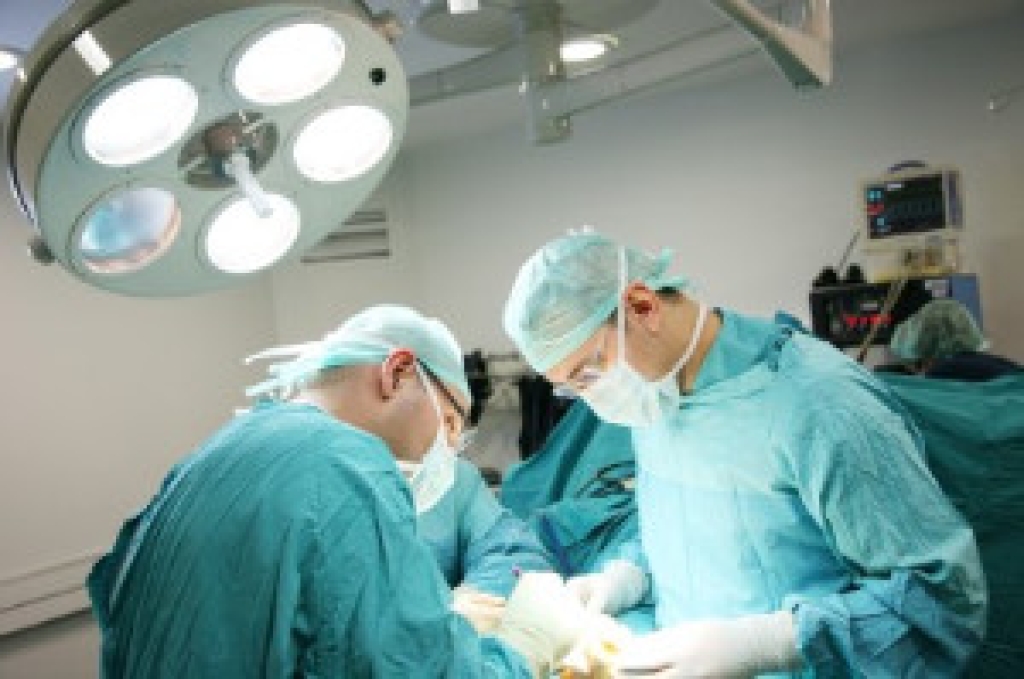
Ankle fusion surgery is used to join the bones of a damaged ankle joint so they heal into one stable connection. This procedure is also called ankle arthrodesis. The goal is to reduce severe pain and improve stability when an ankle has become badly damaged. Fusion does not restore normal ankle motion, but it can make walking more comfortable by removing painful movement. This surgery is generally considered when other treatments have not provided enough relief.
Ankle arthritis is a common reason for fusion surgery. It can develop after an injury, repeated stress, or years of joint wear. Severe joint damage from inflammatory arthritis or previous fractures may also cause ongoing pain. Symptoms include ankle stiffness, swelling, and pain while walking. A podiatrist or podiatric surgeon will evaluate the ankle and use imaging tests to determine whether fusion is appropriate.
There are two main approaches to ankle fusion. Open ankle fusion uses an incision that allows the surgeon to directly access the joint, remove damaged cartilage, and prepare the bones for healing. Arthroscopic ankle fusion uses a camera and specialized instruments through smaller incisions. The surgeon removes damaged cartilage and positions the bones so they can fuse together. The choice depends on joint damage, anatomy, and the podiatric surgeon's assessment. Screws or other fixation devices may be used to hold the bones securely while they heal.
After surgery, careful protection of the ankle is important. A podiatrist may prescribe a cast or boot and provide instructions for limiting weight on the surgical foot. Follow-up visits and imaging tests help monitor bone healing and alignment. Pain management and incision care are also part of recovery. The podiatrist will explain when it is safe to gradually increase activity. If you have ankle pain that may require ankle fusion surgery, it is suggested that you consult a podiatrist who can determine if this type of surgery is right for you.
Foot surgery is sometimes necessary to treat a foot ailment. To learn more, contact Dr. Jeff Brooks of Oceanside Foot & Ankle Center. Our doctor will assist you with all of your foot and ankle needs.
When Is Surgery Necessary?
Foot and ankle surgery is generally reserved for cases in which less invasive, conservative procedures have failed to alleviate the problem. Some of the cases in which surgery may be necessary include:
What Types of Surgery Are There?
The type of surgery you receive will depend on the nature of the problem you have. Some of the possible surgeries include:
Benefits of Surgery
Although surgery is usually a last resort, it can provide more complete pain relief compared to non-surgical methods and may allow you to finally resume full activity.
Surgical techniques have also become increasingly sophisticated. Techniques like endoscopic surgery allow for smaller incisions and faster recovery times.
If you have any questions, please feel free to contact our offices located in Oceanside and Temecula, CA . We offer the newest diagnostic and treatment technologies for all your foot care needs.
Custom orthotics, or shoe inserts, should be periodically replaced. Orthotics must fit properly to give you the best results. Protect your feet and ankles!

Shoes that fit correctly can protect the feet. Poorly-fitting shoes can cause blisters, corns, and calluses. They can also create added pressure and contribute to pain in the heels or arches. Since foot size and shape can change with age, relying on an old measurement may lead to the wrong fit. Both feet should be measured while standing, preferably later in the day when swelling is more likely. Length, width, and arch length matter.
Shoe sizes vary between brands, so the number on the box may only be a guide. Shoes should fit the larger foot, because one foot is frequently bigger. Experts suggest leaving about half an inch between the longest toe and the front of the shoe. The toe box should be wide enough for the toes to move without rubbing or feeling squeezed. Walk around to check for heel slipping, pressure, or pinching. A suitable shoe should feel comfortable right away and bend near the ball of the foot, where the toes naturally bend. Laces or adjustable straps can help hold the foot securely.
When pain continues or a foot condition makes buying shoes difficult, a podiatrist can evaluate shoe fit. The examination includes checking foot shape, joint movement, and pressure points. A podiatrist can determine whether the shoe provides enough support for the patient’s activity and foot structure. Recommendations can address heel height, cushioning, and toe-box space. For patients with diabetes, nerve damage, or a history of sores, careful fitting is important because rubbing may go unnoticed. Custom orthotics can improve pressure distribution when standard shoe support is not enough. A podiatrist can recommend specialty shoes or modifications to accommodate a bunion, hammertoe, or difference in foot size. If you have foot pain that may be related to your shoes, it is suggested that you schedule an appointment with a podiatrist for relief tips, and helpful guidance on how to choose shoes that fit properly.
Finding a properly-fitting shoe is important in reducing injuries and preventing foot problems. For more information about treatment, contact Dr. Jeff Brooks from Oceanside Foot & Ankle Center. Our doctor will treat your foot and ankle needs.
Proper Shoe Fitting
A common concern when it comes to foot health, having properly fitted shoes can help prevent injuries to the foot. Out feet affect our posture and gait, which in turn affects the biomechanics and overall bodily structure. With 33 joints, 26 bones, and over 100 ligaments, the potential for serious injury is much greater than one realizes. Although the feet cease growth in adulthood, they still change shape as they mature. Here are some factors to consider when it comes to investing in proper fitting shoes:
Keeping in mind how shoes fit the biomechanics of your body, properly-fitting shoes are vitally important. Fortunately, it is not difficult to acquire footwear that fits correctly. Be sure to wear shoes that support the overall structure of your body. Do your feet a favor and invest in several pairs of well-fitted shoes today.
If you have any questions, please feel free to contact our offices located in Oceanside and Temecula, CA . We offer the newest diagnostic and treatment technologies for all your foot care needs.
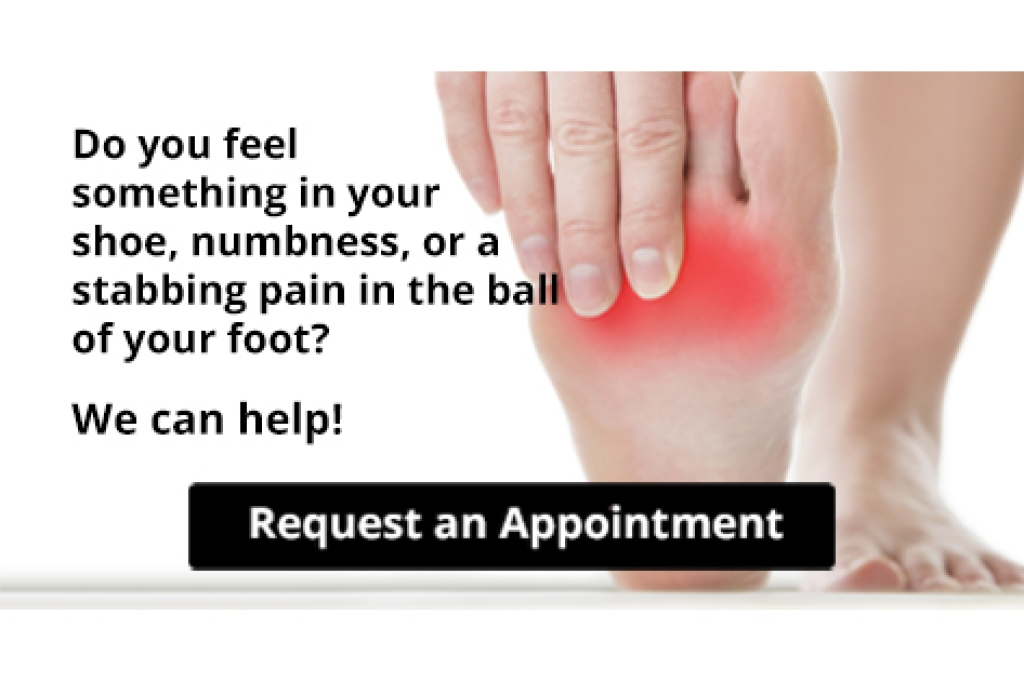
Suffering from this type of pain? You may have the foot condition known as Morton's neuroma. Morton's neuroma may develop as a result of ill-fitting footwear and existing foot deformities. We can help.
