
You don't need an excuse to have beautiful nails. Step outside without worrying about the appearance of your feet.
You don't need an excuse to have beautiful nails. Step outside without worrying about the appearance of your feet.

Osteoarthritis, or OA, is a degenerative joint disease that can increase the risk of falls, especially in older adults. When OA affects the feet, it leads to joint stiffness, pain, and limited mobility, which can make walking and balancing difficult. In the feet, OA commonly affects the ankles and toes, causing discomfort with every step and reducing stability. To prevent falls, people with osteoarthritis should focus on maintaining mobility and strengthening muscles surrounding the affected joints. Wearing well-fitted, supportive shoes and using custom orthotics can improve balance and reduce pain. A podiatrist can provide valuable care by fitting custom orthotics, recommending appropriate footwear, and guiding patients through foot-specific exercises that enhance stability and reduce the risk of falls. If you have osteoarthritis of the feet or ankles, it is suggested that you include a podiatrist on your health care team for routine exams and help with falls prevention.
Preventing falls among the elderly is very important. If you are older and have fallen or fear that you are prone to falling, consult with Dr. Jeff Brooks from Oceanside Foot & Ankle Center. Our doctor will assess your condition and provide you with quality advice and care.
Every 11 seconds, an elderly American is being treated in an emergency room for a fall related injury. Falls are the leading cause of head and hip injuries for those 65 and older. Due to decreases in strength, balance, senses, and lack of awareness, elderly persons are very susceptible to falling. Thankfully, there are a number of things older persons can do to prevent falls.
How to Prevent Falls
Some effective methods that older persons can do to prevent falls include:
Falling can be a traumatic and embarrassing experience for elderly persons; this can make them less willing to leave the house, and less willing to talk to someone about their fears of falling. Doing such things, however, will increase the likelihood of tripping or losing one’s balance. Knowing the causes of falling and how to prevent them is the best way to mitigate the risk of serious injury.
If you have any questions, please feel free to contact our offices located in Oceanside and Temecula, CA . We offer the newest diagnostic and treatment technologies for all your foot care needs.
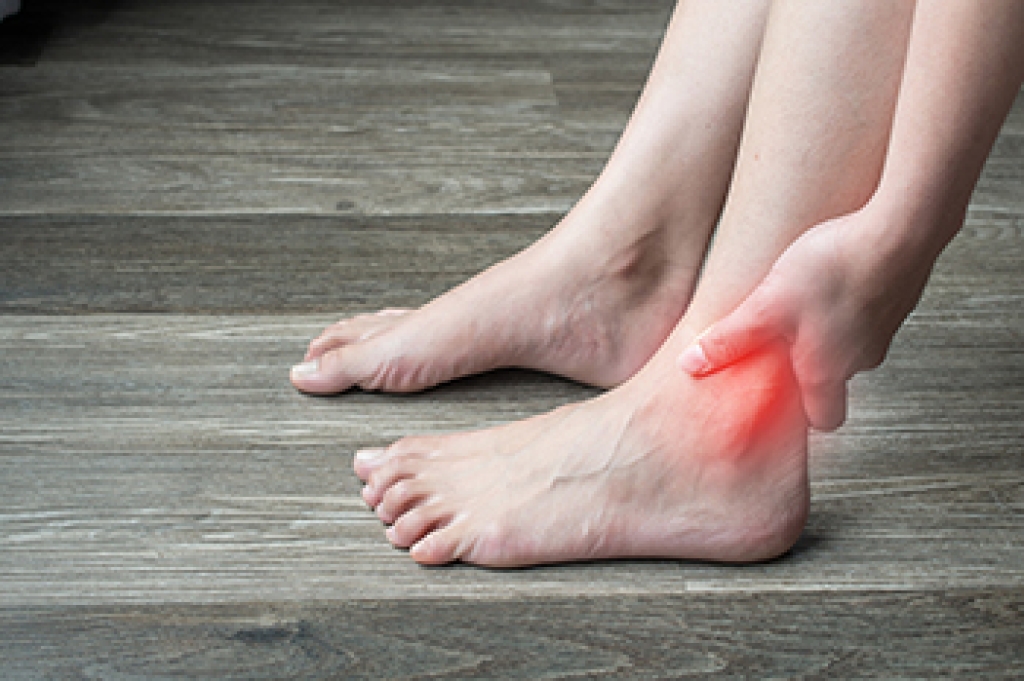
Lateral ankle injuries involve damage to the ligaments on the outer side of the ankle. They are often caused by rolling or twisting the foot during activities like running, jumping, or walking on uneven surfaces. Such ankle injuries are common in athletes but can happen to anyone, especially during sudden movements or improper foot placement. The most frequent type of lateral ankle injury is an ankle sprain, where the ligaments stretch or tear. Symptoms include pain, swelling, bruising, and difficulty bearing weight on the injured foot. Diagnosis typically involves a physical exam and imaging tests, such as X-rays or MRI scans to rule out fractures and assess ligament damage. Treatment depends on the severity of the injury. Severe sprains may require bracing or targeted exercises to restore strength and mobility. If you have pain on the outside of your ankle, it is suggested that you visit a podiatrist for a diagnosis and proper care so as to prevent long-term ankle instability.
Ankle pain can have many different causes and the pain may potentially be serious. If you have ankle pain, consult with Dr. Jeff Brooks from Oceanside Foot & Ankle Center. Our doctor will assess your condition and provide you with quality foot and ankle treatment.
Ankle pain is any condition that causes pain in the ankle. Due to the fact that the ankle consists of tendons, muscles, bones, and ligaments, ankle pain can come from a number of different conditions.
Causes
The most common causes of ankle pain include:
Symptoms
Symptoms of ankle injury vary based upon the condition. Pain may include general pain and discomfort, swelling, aching, redness, bruising, burning or stabbing sensations, and/or loss of sensation.
Diagnosis
Due to the wide variety of potential causes of ankle pain, podiatrists will utilize a number of different methods to properly diagnose ankle pain. This can include asking for personal and family medical histories and of any recent injuries. Further diagnosis may include sensation tests, a physical examination, and potentially x-rays or other imaging tests.
Treatment
Just as the range of causes varies widely, so do treatments. Some more common treatments are rest, ice packs, keeping pressure off the foot, orthotics and braces, medication for inflammation and pain, and surgery.
If you have any questions please feel free to contact our offices located in Oceanside and Temecula, CA . We offer the newest diagnostic tools and technology to treat your foot and ankle needs.

Do you suffer from heel pain when you get up in the morning? If so, you should seek professional help and have a proper diagnosis performed. Heel pain can be caused by several different foot-related conditions.
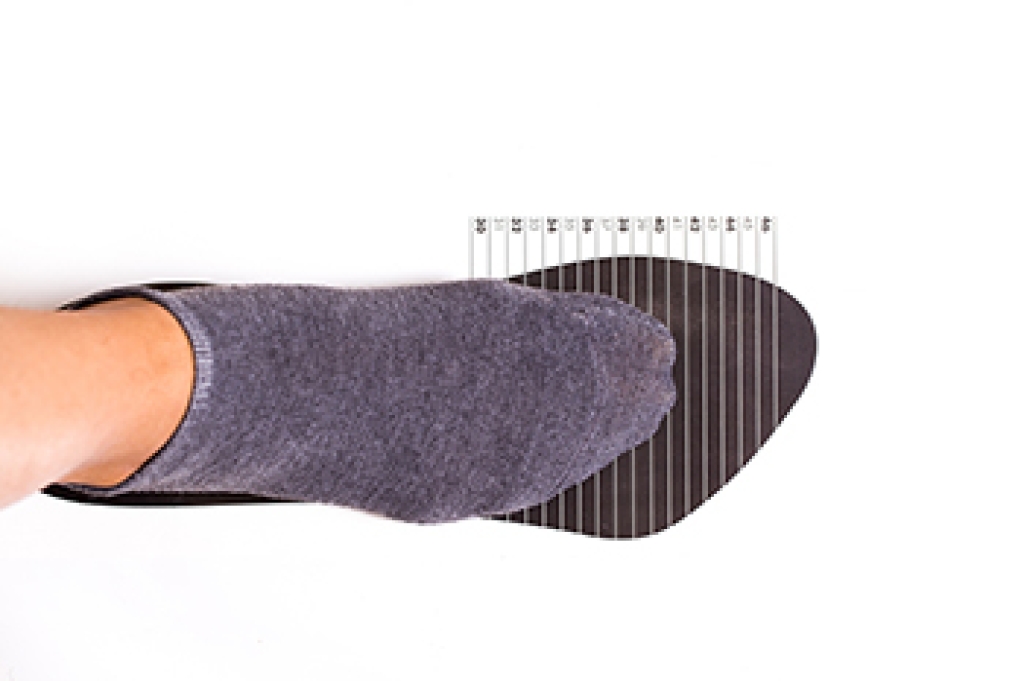
Measuring feet for proper shoe sizing is imperative for comfort and preventing foot problems. To get the most accurate size, measure your feet at the end of the day when they are at their largest. Use a ruler or foot-measuring tool to assess the length from heel to toe and the width at the widest point. It is important to measure both feet, as one foot is often slightly larger. Shoes should fit the larger foot. A podiatrist can provide expert guidance in finding the right shoe size, especially if you have foot issues like bunions, hammertoes, or flat arches. They can assess your foot structure and recommend orthotics or custom shoes for optimal support. A podiatrist can also help treat any foot-related problems that arise from wearing improper footwear and offer advice on the best shoes for different activities to prevent future discomfort or injury. If you have foot problems or need help in selecting well-fitting shoes, it is suggested that you consult a podiatrist.
Getting the right shoe size is an important part of proper foot health. Seek the assistance of Dr. Jeff Brooks from Oceanside Foot & Ankle Center. Our doctor will provide the care you need to keep you pain-free and on your feet.
Getting the Right Shoe Size
There are many people who wear shoes that are the incorrect size, negatively affecting their feet and posture. Selecting the right shoes is not a difficult process, so long as you keep several things in mind when it comes to choosing the right pair.
As our feet hold our body weight and keep us moving, it is important to treat them right. Picking the right pair of shoes can provide your feet comfort and mobility without pain.
If you have any questions, please feel free to contact our offices located in Oceanside and Temecula, CA . We offer the newest diagnostic and treatment technologies for all your foot care needs.
