In-home visits and Telehealth appointments available. Call/text us to schedule.

How Do Bunions Form?

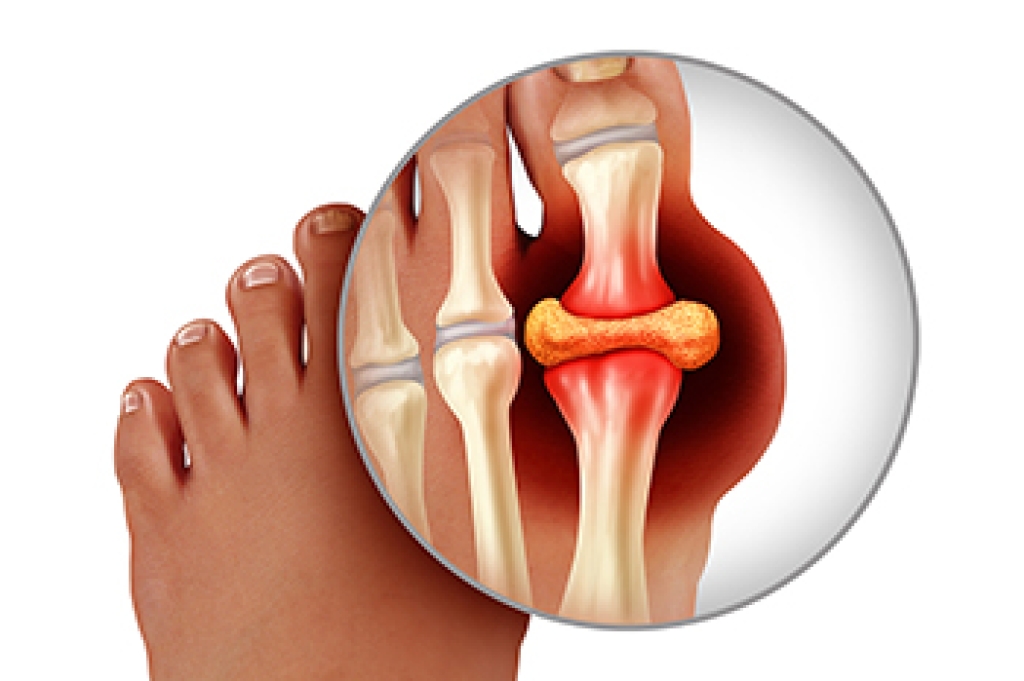
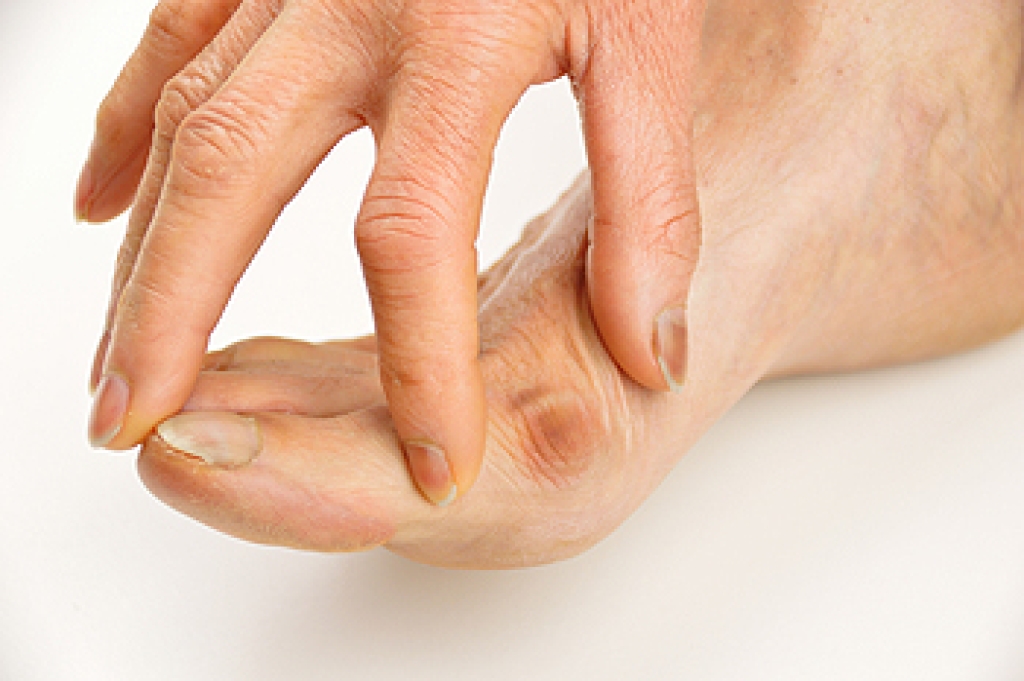
Bunions can develop when the joint at the big toe is pulled out of alignment and the toe gets turned towards the rest of the toes. This is a very common issue, and it can result in a painful and bony lump to form at the joint. As bunions develop, they can get more and more painful. They will eventually push the other toes out of alignment which will lead to skin irritation and difficulty wearing shoes or walking. Common causes of bunions can include heredity, shoes that fit too tightly, arthritis, injuries, and nerve damage. Patients who are struggling with a painful bunion should consult with a podiatrist for proper treatment and pain relief methods. Common methods for treating bunions include wearing shoes with wide toe boxes, orthotics, and in some cases, surgery.

If you are suffering from bunion pain, contact Dr. Jeff Brooks of Oceanside Foot & Ankle Center. Our doctor can provide the care you need to keep you pain-free and on your feet.

What Is a Bunion?

Bunions are painful bony bumps that usually develop on the inside of the foot at the joint of the big toe. As the deformity increases over time, it may become painful to walk and wear shoes. Women are more likely to exacerbate existing bunions since they often wear tight, narrow shoes that shift their toes together. Bunion pain can be relieved by wearing wider shoes with enough room for the toes.

Causes

  • Genetics – some people inherit feet that are more prone to bunion development
  • Inflammatory Conditions - rheumatoid arthritis and polio may cause bunion development

Symptoms

  • Redness and inflammation
  • Pain and tenderness
  • Callus or corns on the bump
  • Restricted motion in the big toe

In order to diagnose your bunion, your podiatrist may ask about your medical history, symptoms, and general health. Your doctor might also order an x-ray to take a closer look at your feet. Nonsurgical treatment options include orthotics, padding, icing, changes in footwear, and medication. If nonsurgical treatments don’t alleviate your bunion pain, surgery may be necessary.

If you have any questions, please feel free to contact our office located in Oceanside, CA . We offer the newest diagnostic and treatment technologies for all your foot care needs.

Read more about Bunions

Healing Cracked Heels

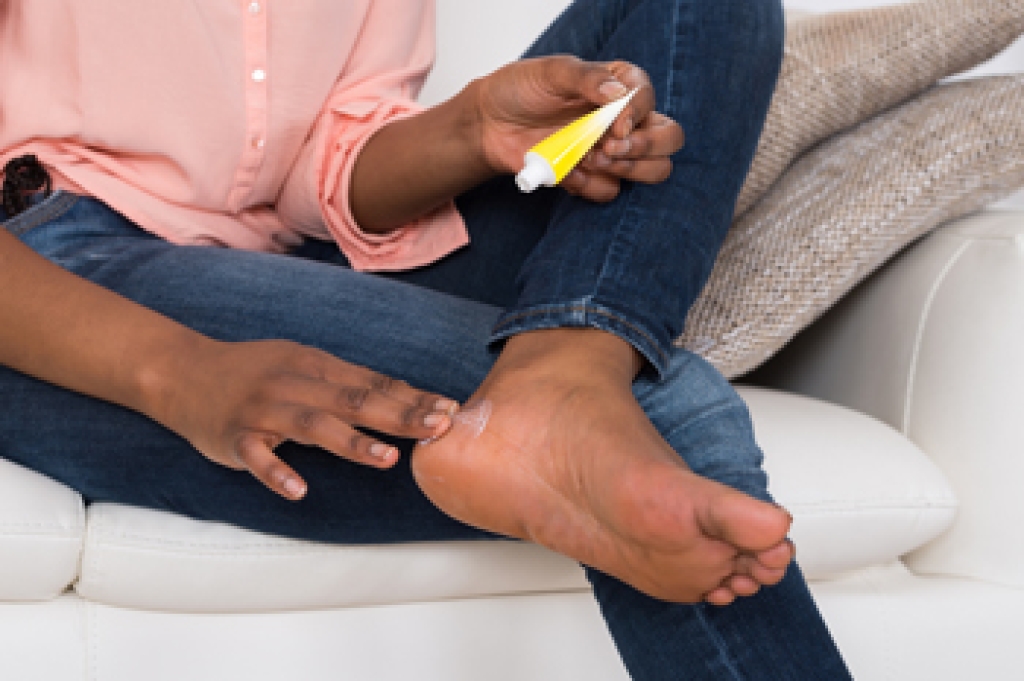
Cracked heels are not only unattractive, but they can be uncomfortable and painful as well. If cracks are allowed to deepen, they may even bleed or become infected. Cracked heels can worsen in the summertime due to dehydration, so make sure you drink plenty of water. You can try to soften your cracked heels overnight by applying petroleum jelly or a thick cream at bedtime and sleep with socks on which will help lock moisture in. Because air, dirt, and other pollutants can dry out and roughen skin, limit wearing open-backed shoes and do not walk barefoot. Some believe that soaking your feet in paraffin wax—a natural emollient—can help loosen skin and remove dead skin cells to help soften heels. For professional tips on prevention, or to get treatment for deep, bleeding, or painful cracked heels, make an appointment with a podiatrist.

If the skin on your feet starts to crack, you may want to see a podiatrist to find treatment. If you have any concerns, contact Dr. Jeff Brooks from Oceanside Foot & Ankle Center. Our doctor can provide the care you need to keep you pain-free and on your feet.

Cracked Heels

It is important to moisturize your cracked heels in order to prevent pain, bleeding, and infection. The reason cracked heels form is because the skin on the foot is too dry to support the immense pressure placed on them. When the foot expands, the dry skin on the foot begins to split.

Ways to Help Heal Them

  • Invest in a good foot cream
  • Try Using Petroleum Jelly
  • Ease up on Soaps
  • Drink Plenty of Water

Ways to Prevent Cracked Heels

  • Moisturize After Showering
  • Skip a Shower
  • Keep Shower Water Lukewarm
  • Don’t Scrub Your Feet

If you are unsure how to proceed in treating cracked heels, seek guidance from a podiatrist. Your doctor will help you with any questions or information you may need. 

If you have any questions, please feel free to contact our office located in Oceanside, CA . We offer the newest diagnostic and treatment technologies for all your foot care needs.
Read more about Solutions for Cracked Heels

Gout Pain Can Be Managed

Gout is a painful, inflammatory form of arthritis. Those affected will typically feel an intense stiffness in the joints of their feet, particularly in the big toe. Schedule a visit to learn about how gout can be managed and treated.

Strategies to Help Prevent Gout

Gout is a type of arthritis caused by buildup of uric acid in the bloodstream. This chemical can build up and crystallize in the joints, particularly the big toe joint, causing sudden and severe joint pain, swelling, stiffness, and inflammation. If you have had a previous gout flareup, or have a family history of gout, learning and utilizing certain prevention strategies can help you avoid future painful flare ups. Consuming a diet low in purines, a chemical found in red meat, shellfish, and other types of food, which is converted to uric acid in the body, can also lower your risk of gout. Staying hydrated by drinking plenty of water can reduce uric acid crystal formation in the kidneys. Losing excess weight, exercising regularly, and avoiding excessive consumption of alcohol and sugary beverages may also help. Certain medications may be prescribed by your doctor to lower uric acid levels in the body. To learn more about preventing and managing gout, please consult with a podiatrist. 

Gout is a foot condition that requires certain treatment and care. If you are seeking treatment, contact Dr. Jeff Brooks from Oceanside Foot & Ankle Center. Our doctor will treat your foot and ankle needs.

What Is Gout?

Gout is a type of arthritis caused by a buildup of uric acid in the bloodstream. It often develops in the foot, especially the big toe area, although it can manifest in other parts of the body as well. Gout can make walking and standing very painful and is especially common in diabetics and the obese.

People typically get gout because of a poor diet. Genetic predisposition is also a factor. The children of parents who have had gout frequently have a chance of developing it themselves.

Gout can easily be identified by redness and inflammation of the big toe and the surrounding areas of the foot. Other symptoms include extreme fatigue, joint pain, and running high fevers. Sometimes corticosteroid drugs can be prescribed to treat gout, but the best way to combat this disease is to get more exercise and eat a better diet.

If you have any questions, please feel free to contact our office located in Oceanside, CA . We offer the newest diagnostic and treatment technologies for all your foot care needs.

Read more about Everything You Need to Know About Gout
scroll to top